



The Promise in Your Pantry
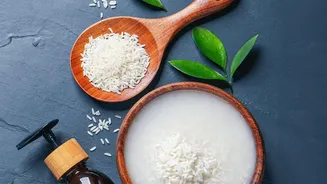
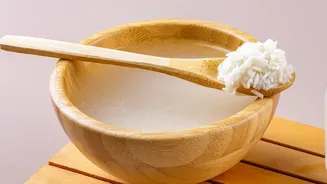
The cloudy liquid you pour down the drain after rinsing rice is packed with starch, trace minerals, and vitamins. For centuries, gardeners have used this byproduct, believing it nourishes plants. The logic is sound: the water contains small amounts of
nitrogen, phosphorus, and potassium, which are essential for plant growth. This makes rice water a gentle, mild supplement, but not a full replacement for a balanced fertilizer. The main benefit comes from the starch, which feeds beneficial microbes in the soil. These microbes, in turn, help make nutrients more available to your plant's roots, improving overall soil health.
Fresh vs. Fermented: The Great Debate
Many online tutorials suggest letting rice water sit for several days to ferment, claiming this process increases its nutrient value. Research confirms that fermenting can indeed boost the levels of some nutrients and beneficial bacteria. One study found that bacterial populations peaked around the three-day mark. However, this supercharged liquid comes with significant risks, especially for the controlled environment of indoor pots. The fermentation process is often uncontrolled, creating a sour smell, attracting pests, and potentially creating an environment that is too acidic for many houseplants.
Why Fresh is the Safer Bet
For the average indoor gardener, the risks of using fermented rice water often outweigh the rewards. Freshly collected rice water provides a gentle nutrient boost without the major downsides. The primary issue with fermented water is its increased acidity; one field study showed it can significantly lower soil pH, which could harm plants that do not prefer acidic conditions. Furthermore, the starchy, often smelly, concoction is a magnet for fungus gnats and can promote the growth of mold on the soil's surface, creating more problems than it solves. Using fresh, unsalted water from rinsing rice is a much gentler and more predictable choice for potted plants.
Your Simple Guide to Using Rice Water
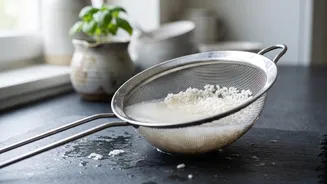
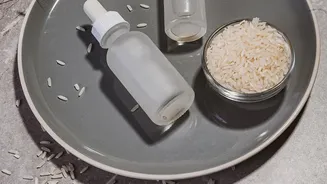
Using this free, natural supplement is easy. The next time you make rice, simply follow these steps: 1. Rinse your uncooked, plain rice in a bowl of water. Swirl it around for about a minute until the water turns milky. 2. Strain the rice, collecting the cloudy water in a clean jar or watering can. Make sure you have not added any salt or oil. 3. Use this fresh rice water immediately or within 24 hours. You can store it in the fridge for up to a week. 4. Use it in place of a normal watering, pouring it directly onto the soil. Do this no more than once a month during the growing season (spring and summer) to avoid starch buildup. If you notice any mold or an increase in pests like fungus gnats, stop using it and flush the soil with plain water.
Which Plants Appreciate it Most?
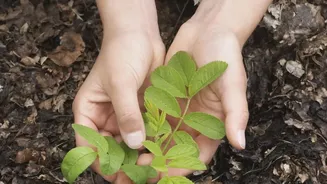
While most houseplants can benefit from an occasional rice water treat, some seem to respond particularly well. Leafy tropical plants like pothos, monsteras, and philodendrons often show appreciation for the mild nutrient boost. Flowering plants and vegetables like tomatoes and peppers can also benefit. However, be cautious with succulents and cacti, which prefer drier conditions and are more susceptible to issues from excess moisture and organic matter. Similarly, there's no specific research on its effects on orchids, so it's best to proceed with caution or stick to plain water for them.