





The Powerful Pull of Nostalgia
At its heart, the re-release trend is powered by nostalgia. For audiences who grew up watching films like 'Dilwale Dulhania Le Jayenge', 'Ghilli', or 'Yeh Jawaani Hai Deewani', seeing them on the big screen again is a chance to relive cherished memories.
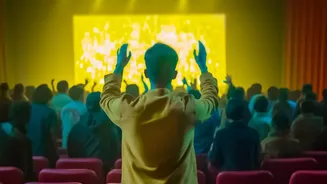
It's a trip back to their youth, a cultural touchstone shared with friends and family. However, the audience isn't just limited to those who saw the films the first time around. A significant portion of viewers are from Gen Z, who may have discovered these movies through social media clips, streaming platforms, or their parents' recommendations. For them, this is the first opportunity to experience these classics in a theatrical setting, transforming a movie they've only seen on a small screen into a grand, communal event.
A Low-Risk, High-Reward Business Strategy
Beyond the emotional appeal, re-releasing old films is a savvy economic decision for theatre owners and distributors. In a post-pandemic era where new releases face an uncertain box office, classic films offer a degree of predictability. The acquisition and marketing costs are minimal compared to a new film. There's no need for a massive promotional campaign when the film already has a built-in fan base and cultural recognition. This strategy allows theatres to fill empty slots in the release calendar, especially during periods with few major new films, ensuring a steady stream of content and revenue. With lower ticket prices often offered for these screenings, it becomes an affordable outing, attracting a wider demographic, including students and families. Even films that were not huge hits during their initial run, but have since gained a cult following, are finding a profitable second life.
The Role of Fan Culture and Social Media
Modern fan culture, amplified by social media, has been a major catalyst for this trend. Fan clubs often organize screenings to celebrate a star's birthday or a film's anniversary, turning the event into a full-blown celebration with coordinated outfits, dancing, and festivities that multiplexes are learning to accommodate. The Tamil film industry, in particular, has seen massive success with re-releases like 'Ghilli', where fan celebrations mirrored the energy of a new release. Social media platforms are where the buzz begins, with fan edits, nostalgia-fueled reels, and discussions bringing older films back into the cultural conversation and driving demand for a theatrical return. This digital chatter ensures that by the time a re-release is announced, there is already an eager audience waiting.
More Than Just a Bollywood Phenomenon
While Bollywood hits like 'Jab We Met' and 'Rockstar' have seen tremendous success, this trend is a pan-Indian phenomenon. The South Indian film industries have been at the forefront, with re-releases of Tamil, Telugu, and Malayalam films often outperforming new movies at the local box office. The 20-year-old Allu Arjun film 'Happy' recently had a blockbuster run in its remastered 4K format in Kerala. Similarly, the re-release of Vijay's 'Ghilli' in 2024 reportedly earned over ₹26 crore, a staggering figure for a film two decades old, demonstrating the immense power of regional superstars and dedicated fan bases. This success has particularly benefited single-screen theatres, which thrive on the high-energy, celebratory atmosphere that fans create for their beloved heroes.
Is This a Lasting Change in Cinema?
While some may dismiss it as a temporary fad, industry experts believe the re-release model is becoming a permanent fixture in the exhibition business. It serves as a reliable revenue stream for theatres navigating an unpredictable market and a decline in overall footfalls. For producers, it's a way to monetize their library of films and re-introduce classic IP to a new generation. While a re-release might only generate a fraction of a new blockbuster's revenue, it's a consistent and low-risk earner. The trend also sends a clear message to studios: audiences are hungry for strong stories and compelling characters, and are willing to pay for the theatrical experience, even for films they can watch at home. This suggests a future where cinema schedules are a blend of the new and the classic, catering to a wider range of tastes.