




The Gut-Brain Superhighway
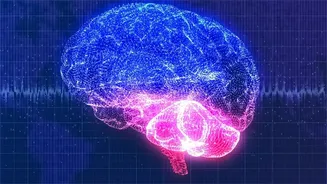
It might sound strange, but your gut and brain are in constant conversation. This communication network is called the gut-brain axis, and it works like a two-way highway. A major channel for this is the vagus nerve, which sends signals back and forth,
influencing everything from digestion to stress responses. Your gut is also a major production hub for neurotransmitters, the chemical messengers that regulate mood. In fact, around 95% of your body's serotonin—often called the "feel-good" chemical—is produced in the gut. When this internal ecosystem is balanced, it sends positive, calming signals to the brain. When it's out of sync, it can contribute to feelings of anxiety, stress, and mental fog.
Meet Probiotics: Your Inner Allies
Probiotics are the "good" live bacteria that reside in your gut. These beneficial microbes, often called psychobiotics when they have a positive effect on mental health, play a crucial role in maintaining a healthy internal environment. They help break down food, support the immune system, and even produce neuroactive substances that influence your brain. By helping to regulate the production of neurotransmitters like serotonin and dopamine, these tiny allies can have a significant impact on your emotional balance and cognitive function. Incorporating probiotic-rich foods into your diet is a direct way to support this beneficial population. Think of fermented foods like traditional dahi (yogurt), kefir, kimchi, and unpasteurized sauerkraut.
The Power of Fiber: Fuel for Your Friends
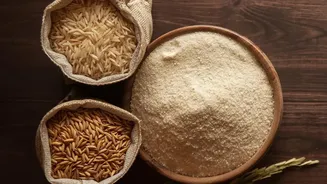
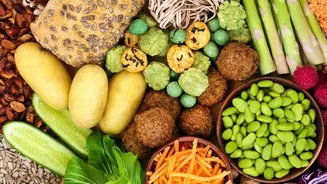
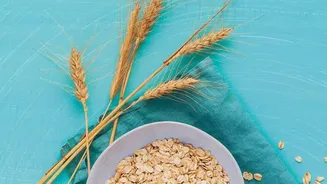
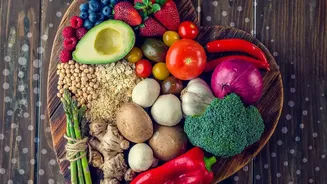
Probiotics, like any living organisms, need food to thrive. This is where fermentable fiber, also known as prebiotics, comes in. These specific types of fiber pass through your digestive system undigested until they reach the colon, where they become the perfect fuel for your beneficial gut bacteria. Prebiotics are found in a wide variety of plant-based foods, including onions, garlic, bananas, asparagus, and whole grains like oats and barley. By feeding your good bacteria, you're helping them multiply and carry out their important functions more effectively. Think of prebiotics as the fertilizer for your internal garden, helping your probiotic allies flourish.
The Synergy: How It All Works Together
The real magic happens when probiotics and fermentable fiber work in synergy. When your gut microbes ferment these fibers, they produce powerful compounds called short-chain fatty acids (SCFAs), such as butyrate, propionate, and acetate. These SCFAs are metabolic superstars. They serve as the primary energy source for the cells lining your colon, strengthen the gut barrier, and help reduce inflammation throughout the body. Crucially, SCFAs can also cross into the brain, where they influence brain function and help protect against stress. This synergy—consuming both the beneficial bacteria (probiotics) and the food they need (prebiotics)—is more effective than focusing on just one. This combination is sometimes referred to as a synbiotic approach.
Putting It on Your Plate: A Practical Guide
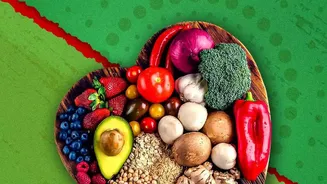
Integrating these foods into your daily diet doesn't have to be complicated. The goal is to create meals that naturally combine these powerful elements. Start with simple pairings. For breakfast, try a bowl of dahi topped with a sliced banana and a sprinkle of whole-grain oats. For lunch, a sabzi made with onions, garlic, and lentils served with a whole-wheat roti covers both bases. Snacking on a handful of nuts or having a glass of kefir can also boost your intake. The key is variety and consistency. By regularly including a mix of probiotic and prebiotic-rich foods, you create a consistently supportive environment for your gut microbiome, which in turn can help stabilize your mood and sharpen your focus over time.