





The Science of Short Bursts
The secret to better heart health might not be in long, structured workouts, but in short, powerful movements integrated into your daily life. This concept is known as Vigorous Intermittent Lifestyle Physical Activity, or VILPA. Recent studies have highlighted
its surprising effectiveness, particularly for those who don't engage in regular exercise. Research published in journals like Nature Medicine and Circulation tracked thousands of adults and found that accumulating just three to four minutes of VILPA per day, in bursts of one to two minutes, was associated with a significant reduction in the risk of death from cardiovascular disease. These findings suggest that the brief, intense efforts we make in our day-to-day lives—the moments that leave us slightly breathless—can have profound, long-term health benefits.
Why Every Intense Minute Counts
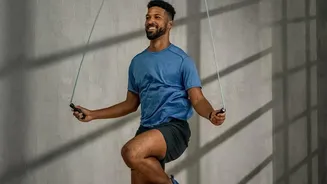
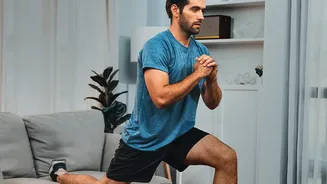
How can such short bursts of activity make a difference? The key is intensity. When you push your body vigorously, even for a minute, you challenge your heart and lungs, which improves your cardiorespiratory fitness. This is similar to the principle behind High-Intensity Interval Training (HIIT), but without the need for a gym or special equipment. These 'exercise snacks' increase your metabolic rate, not just during the activity but also afterward, helping to burn more calories. Studies show that even one minute of vigorous activity can offer the same heart benefits as several minutes of moderate activity. For people with busy schedules or those who find the idea of a full workout daunting, embracing these powerful mini-workouts can be a game-changing approach to improving health.
What Counts as a Vigorous Chore?
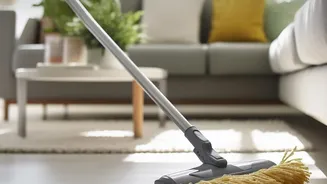
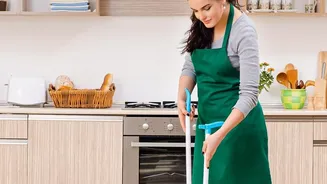
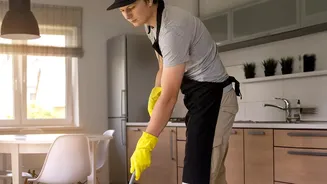
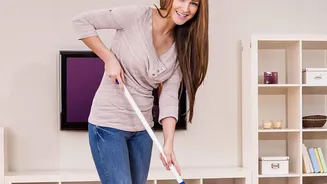
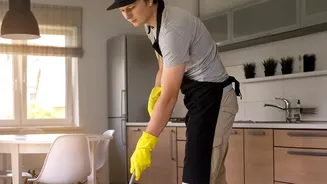
Vigorous activity is anything that gets your heart rate up and makes you breathe harder, making it difficult to hold a conversation. Many daily chores can be elevated to this level with a bit of intention. Think about energetically scrubbing the floors or bathroom tiles, which can be a full-body workout. Carrying heavy grocery bags or laundry baskets, especially if you have to climb stairs, is a form of resistance training. Other examples include fast-paced vacuuming or mopping, vigorous gardening that involves digging and turning soil, or even washing the car by hand. The goal is to transform routine tasks into opportunities for a quick, heart-pumping effort. Even playing energetically with children or choosing to run up a flight of stairs instead of walking can count towards your daily VILPA total.
How to Weave It Into Your Day
Incorporating VILPA into your routine is about shifting your mindset. Look for opportunities to add a burst of speed or effort to things you already do. When you're bringing in the shopping, try to carry everything in one trip if it’s safely manageable. When cleaning, put on some upbeat music and turn it into a power session. If you have a multi-story home, make extra trips up and down the stairs at a brisk pace. The aim is to find at least three to four separate one-minute windows throughout your day to push yourself. This approach breaks down the barriers of time, cost, and motivation that often prevent people from exercising. It’s not about adding more tasks to your to-do list, but about finding the fitness potential that already exists within your daily life.