

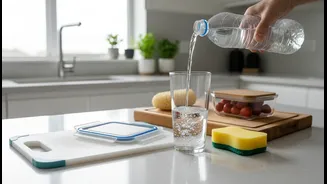

The Invisible Intruder in Your Kitchen
Microplastics are tiny plastic fragments less than five millimeters in size. They come from the breakdown of larger plastic items, and they are everywhere—in our water, our soil, and even the air. While the full long-term health impact is still under
investigation, studies in animals have linked them to issues like inflammation and metabolic changes. The kitchen, a place of nourishment, has unintentionally become a key source of exposure. Everyday items like plastic containers, cutting boards, and non-stick pans can shed these particles directly into our food. The good news is that reducing your exposure doesn't require a complete kitchen overhaul, but rather a series of conscious choices.
Rethink Your Food Storage
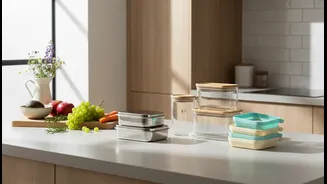
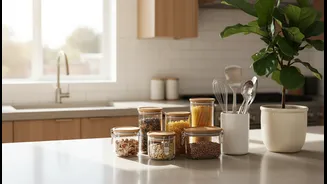
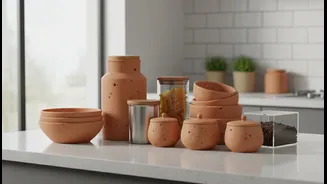
One of the biggest culprits for microplastic exposure is food storage. Heating food in plastic containers, even those labelled 'microwave-safe', can cause millions of micro- and nanoplastic particles to leach into your meal. Storing hot, oily, or acidic foods—common in Indian cooking—can also accelerate this process. The solution is a return to tradition and durability. Swapping plastic dabbas for glass or high-quality stainless steel containers is a powerful first step. These materials are non-reactive, don't stain or hold onto masala odours, and last for decades, making them a safer and more sustainable choice for storing everything from dal to leftovers.
Upgrade Your Cutting and Cooking Surfaces
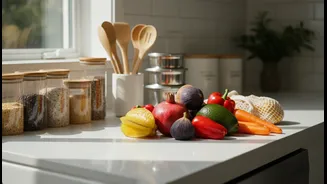
Your cutting board could be a significant source of microplastics. Studies have shown that chopping on plastic boards can shed millions of particles directly into your ingredients each year. These particles can then attach to the food, ending up on your plate. A simple and effective switch is to a wooden or bamboo cutting board. Similarly, scratched non-stick pans can release particles and chemicals into food. Opting for stainless steel, cast iron, or ceramic cookware not only reduces this risk but also offers a more durable and versatile cooking experience, perfectly suited for the high-heat demands of Indian cuisine. Also, consider replacing plastic spatulas and spoons with wooden or steel alternatives, as they won't shed plastic when scraped against a hot pan.
Hydrate and Sip Smarter
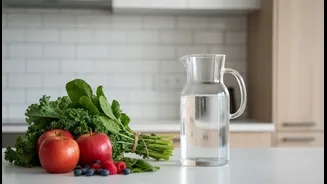
Bottled water is a major source of microplastic ingestion, not just from the bottle itself but also from the bottling process. Even many paper-style coffee cups are lined with plastic that can shed particles into your hot beverage. Tea bags are another surprising source, with a single bag capable of releasing billions of microplastics. The easiest fix is to embrace reusable options. A stainless steel or copper water bottle is a hygienic and classic Indian household staple for a reason. For hot drinks, carrying your own reusable tumbler and using loose-leaf tea with a metal strainer can make a significant difference.
Shop with a Low-Plastic Mindset
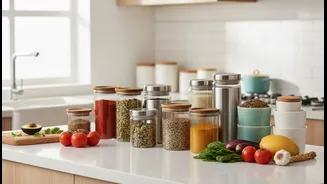
Reducing kitchen plastics starts before you even get home. Many groceries come heavily wrapped in plastic. Making a conscious effort to choose loose fruits and vegetables, buying staples like grains and pulses in bulk, and opting for products in glass jars or paper packaging can drastically cut down on the plastic entering your home. Bringing your own reusable cotton or jute bags for shopping is another simple but impactful habit. This proactive approach not only lowers your potential microplastic exposure but also reduces household waste, aligning with a broader goal of sustainable living.