

Understanding Saffron’s Golden Touch
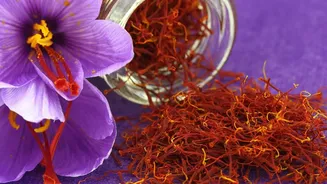
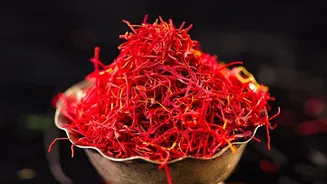
Saffron, or kesar, is more than just a colouring agent; it is an experience. The flavour profile is complex and often described as having floral, honey-like notes with an earthy, slightly hay-like finish. Unlike spices that deliver a punch of heat or sweetness,
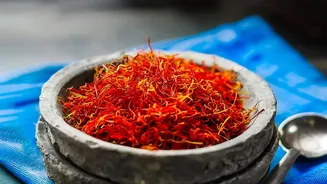
saffron offers a subtle warmth and a luxurious aroma that perfumes an entire dish. Its power lies in this subtlety. A common mistake is to use too much, which can result in a bitter taste. Just a few threads are enough to impart its signature golden hue and sophisticated flavour, which is why it has remained a prized ingredient in royal and festive cooking for centuries.
The Art of Blooming Saffron
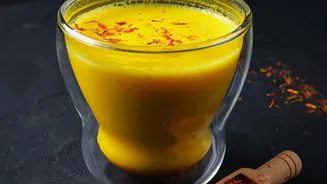
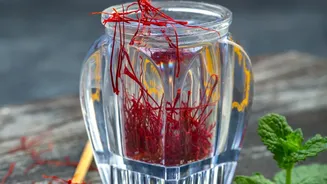
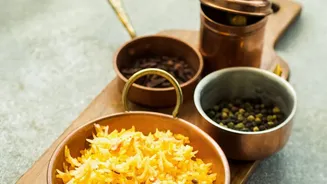
To unlock the full potential of saffron, it needs to be 'bloomed'. This simple but crucial step involves steeping the delicate threads in a warm liquid, such as milk or water, for about 15 to 20 minutes before adding them to your recipe. This process releases safranal and crocin, the compounds responsible for its distinct aroma and vibrant colour. For dairy-based sweets, blooming saffron in warm milk is ideal, as the fat helps to draw out the flavour compounds. For rice dishes and savoury gravies, warm water or broth works perfectly. Never add the threads directly to a hot pan or boiling liquid, as excessive heat can diminish their delicate flavour.
Classic Sweet Pairings
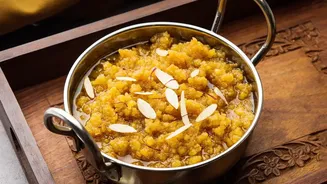
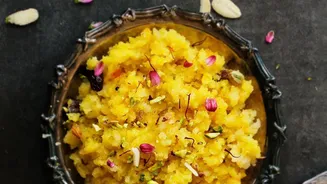
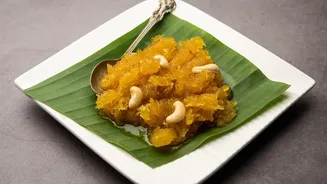
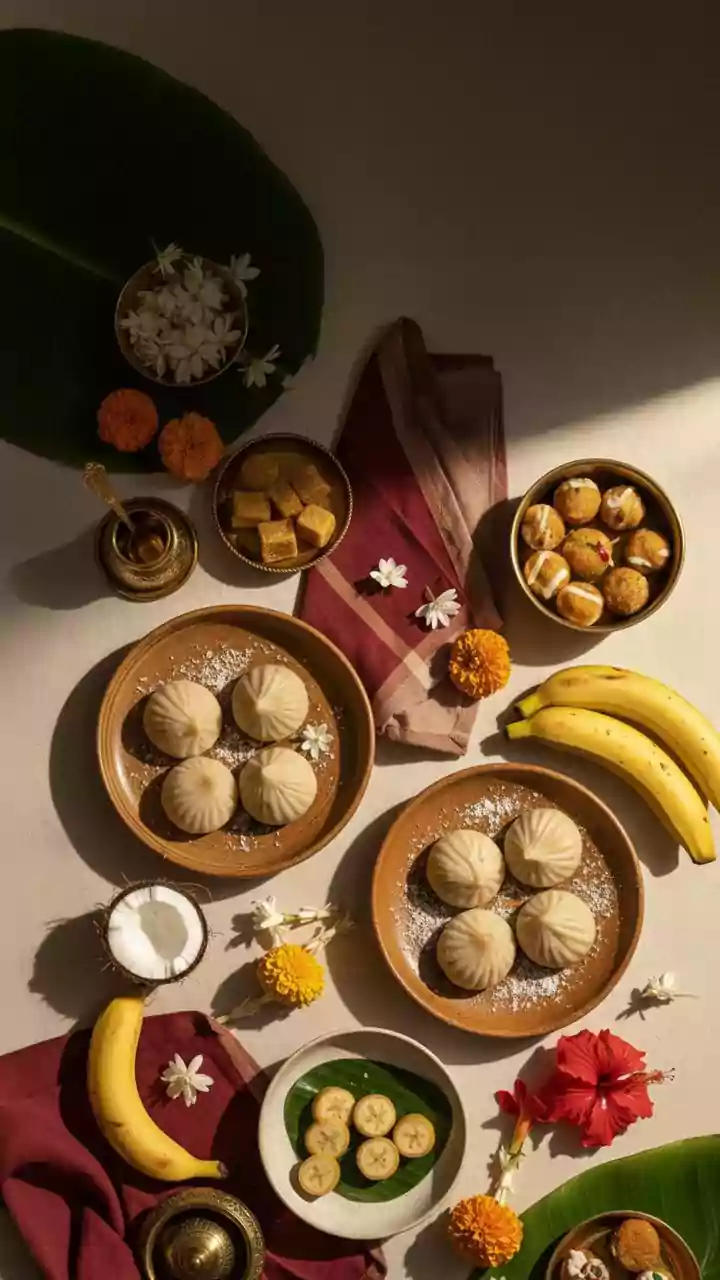
In the realm of Indian desserts, saffron is a quintessential ingredient, often paired with milk, nuts, and aromatic spices like cardamom. Think of a rich and creamy Kheer or Phirni, where saffron-infused milk turns a simple rice pudding into a dish fit for a celebration. It lends its golden colour and floral notes to sweets like Rasmalai, where soft cheese patties soak in a fragrant milk bath. Other classic combinations include Kesar Peda, a soft milk fudge, and Shrikhand, a luscious dessert made from strained yoghurt. In these preparations, saffron doesn't just add flavour; it balances the sweetness and provides an unmatched aromatic depth.
The Surprising Savoury Side
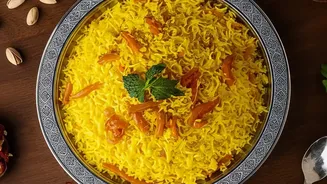
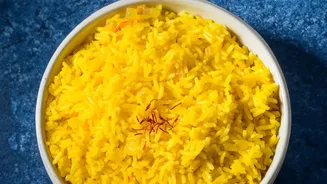
While its use in sweets is well-known, saffron’s role in savoury Indian dishes is equally profound. Its most famous savoury application is undoubtedly in Biryani and Pulao. Here, saffron-infused milk or water is drizzled over layers of rice and meat or vegetables, creating streaks of golden, fragrant grains that are the hallmark of a well-made biryani. But its utility extends far beyond rice. Saffron adds a layer of complexity to rich, creamy gravies like a Chicken Korma, where its earthy notes balance the richness of yoghurt and nuts. It also pairs beautifully with lighter proteins, lending a subtle, luxurious flavour to paneer dishes and even some seafood preparations.
Beyond the Traditional Pairings
Modern Indian cooking continues to find new and exciting ways to use saffron. Its unique profile makes it a fantastic ingredient in fusion cuisine. A few threads can elevate a simple yoghurt dip or a salad dressing. In beverages, saffron adds a delightful twist to a classic Lassi or a warming cup of Masala Doodh (spiced milk). Some chefs even incorporate it into marinades for grilled chicken or paneer, where its flavour infuses directly into the protein. The key is to pair it with ingredients that complement, rather than overpower, its delicate nature. Mild spices, dairy, nuts, and neutral grains like basmati rice are its best friends.