



The Myth of the Low-Maintenance Coat
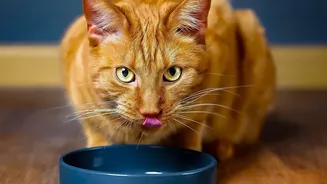
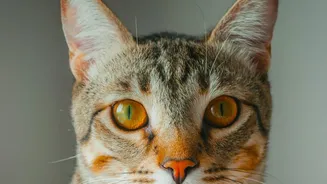
Many owners choose short-haired breeds like Beagles, Indie dogs, or domestic shorthair cats, believing their coats are 'wash and wear'. While they may not get the dramatic tangles of their long-haired cousins, this doesn't make them immune to skin problems.
In fact, their short fur offers less of a physical barrier against environmental irritants, sun exposure, and parasites. The skin is a pet's largest organ, and it serves as a critical window into their overall health. A shiny coat on a short-haired animal can easily mask underlying issues like dryness, inflammation, or infection that are brewing just beneath the surface. Believing 'no news is good news' can unfortunately allow minor issues to become significant health challenges.
Common Issues Hiding in Plain Sight
Even with a short coat, a host of problems can affect your pet's skin. Parasites like fleas, ticks, and mites are often harder to spot without a dense coat to cling to, but they can still bite and cause intense irritation. In India, the warm and humid climate, especially during monsoon season, creates a perfect breeding ground for fungal and bacterial infections, which can lead to dermatitis. Other common culprits include allergies (to food or environmental triggers like pollen), dry and flaky skin (seborrhea), and even small lumps or bumps that could indicate anything from a benign cyst to a more serious growth. Persistent scratching, redness, hair loss, or a bad odour are all red flags.
How to Perform a Weekly Skin Check
Making a skin check part of your weekly routine is a simple act of love that can pay huge dividends. Find a well-lit area and have your pet relax. Start at their nose and work your way back to their tail. Gently part the short fur with your fingers, looking directly at the skin. Don't forget the hidden spots: inside the ears, between the toes, in their 'armpits', under the belly, and around the tail. Look for redness, rashes, or any discolouration. Feel for any new lumps, bumps, or crusty patches. Check for 'flea dirt'—tiny black specks that look like pepper—which indicates a flea problem. Keeping a small notebook to jot down the location and size of any new findings can be very helpful for tracking changes.
Beyond the Check: Proactive Skin Care
Good skin health starts from within. A balanced, high-quality diet rich in Omega-3 and Omega-6 fatty acids is crucial for maintaining a strong skin barrier and a healthy coat. Ensure your pet has constant access to fresh water, as hydration is key for skin elasticity. When it comes to bathing, don't overdo it. Bathing too frequently can strip the skin of its natural protective oils, leading to dryness and irritation. Use only veterinarian-approved shampoos, as human products have a different pH and can be harmful. Regular brushing, even for a short-haired pet, helps to distribute these natural oils, remove dead skin cells, and gives you another opportunity to spot any emerging issues.
When You Should See a Veterinarian
While a home check is a great first line of defense, some signs warrant immediate professional attention. If you notice persistent itching that causes your pet distress, open sores, significant hair loss in patches, or any lump that is new or changing in size, it's time to book an appointment. Similarly, a strong, unpleasant odour from the skin or ears, or any signs of pain when you touch an area, are clear indicators that a vet's expertise is needed. Your vet can perform diagnostic tests like skin scrapings or allergy tests to get to the root of the problem and recommend a targeted treatment plan. Early diagnosis almost always leads to a better, faster, and more comfortable recovery for your pet.