
The Persistent Threat to Livelihoods
Across India, and particularly in agriculturally diverse states like Maharashtra, smallholder farmers face a constant struggle against pests and diseases. From fungal blights on grapevines in Nashik to bollworm infestations in the cotton fields of Yavatmal,
the threats are numerous and can lead to devastating financial losses. Traditionally, identifying the exact problem required guesswork or a trip to a local agrochemical dealer, whose advice might not always be impartial. This often resulted in the overuse of expensive and sometimes incorrect pesticides, harming not only the farmer's budget but also the long-term health of the soil. The United Nations estimates that plant pests and diseases cause 20% to 40% of all global crop losses annually, a staggering figure that directly impacts food security and the economic stability of millions of farming families.
A Diagnosis in Your Pocket
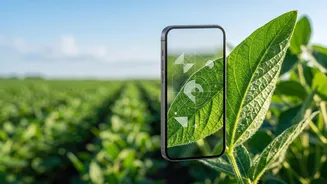
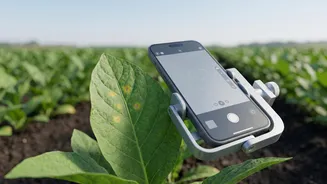
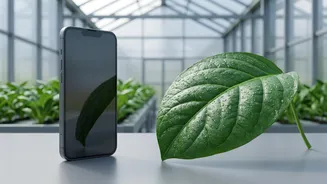
The solution is arriving in the form of accessible artificial intelligence, often called “small AI,” delivered through basic smartphone applications. Farmers can now act as their own crop doctors. The process is remarkably simple: take a photo of a suspicious-looking leaf or plant, upload it to an app, and within seconds, an AI-driven diagnosis is returned. Apps like Plantix, developed by the German startup PEAT, have become immensely popular in India, which accounts for a vast majority of its millions of users. These platforms use machine learning algorithms trained on enormous databases of millions of geo-tagged images to recognize the visual patterns of hundreds of specific diseases, pests, and nutrient deficiencies. The diagnosis comes with clear, actionable advice on treatment options, empowering farmers to intervene quickly and precisely.
More Than Just an Image Scan
The power of this technology extends beyond a simple diagnosis. By analyzing the geo-tagged data from every uploaded photo, these platforms can track the spread of pests and diseases in real-time, creating early warning systems for entire districts. A farmer in one village can receive a push notification warning of a pest outbreak detected in a neighboring area, giving them a crucial head start to protect their own crops. For instance, Plantix has been able to identify the pink bollworm as a top cotton pest in Maharashtra and the brown plant hopper as a major threat to rice in Telangana through this data analysis. These apps also provide localized weather forecasts, guides for the entire crop cycle, and community forums where farmers can connect with each other and with agricultural experts, creating a comprehensive digital support system.
Real-World Impact and Savings
This isn't a futuristic concept; it's delivering tangible results today. Farmers in India using these mobile apps have reported reductions in crop losses by as much as 30% due to early intervention. In Maharashtra, individual success stories highlight the economic benefits. One cotton farmer in Yavatmal used an app to identify a leaf spot disease early, applied the recommended treatment, and effectively saved his crop. Another farmer from the Pune district reported saving between ₹1 lakh and ₹1.5 lakh in a single year by avoiding unnecessary fertiliser and pesticide costs. These savings are critical for smallholders operating on thin margins. The state government has also recognized this potential, launching initiatives like the 'Maha Agri-AI' policy and the MahaVistar AI platform to ensure AI-based tools move beyond pilot projects and reach millions of farmers.
The Future of Farming is Smart and Accessible
The success of these AI scanners hinges on their accessibility. They are designed to be low-cost, work on basic smartphones, and function even in areas with limited internet connectivity. While challenges like digital literacy and ensuring consistent connectivity remain, the path forward is clear. The technology proves that innovation doesn't have to be expensive or complex to be revolutionary. By putting the power of data and AI directly into the hands of farmers, these tools are not just saving individual harvests; they are building a more resilient, profitable, and sustainable agricultural future for Maharashtra and all of India. The best technology is often the kind that quietly empowers people, and in the fields of rural India, the quiet hum of a smartphone is becoming the sound of a protected harvest.