


What Are the Perseids?
The Perseids are one of the best and most reliable meteor showers of the year. They are essentially tiny bits of space debris—some no larger than a grain of sand—left behind by the massive comet 109P/Swift-Tuttle. This comet swings through our inner solar
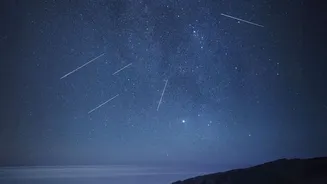
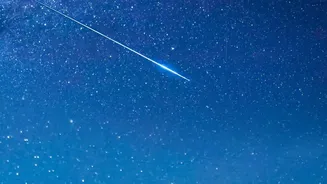
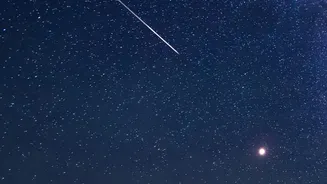
system only once every 133 years, last visiting in 1992. Every August, Earth's orbit takes it right through this dusty trail. When these particles hit our atmosphere at incredible speeds (around 59 km per second), they burn up and create the brilliant streaks of light we call meteors or 'shooting stars'. The Perseids are also famous for producing bright, long-lasting 'fireballs'.
The Perfect Time to Watch
Mark your calendars for the night of Wednesday, August 12, and the pre-dawn hours of Thursday, August 13, 2026. This is when the shower is predicted to reach its spectacular peak. For viewers in India, the best window will be between midnight and the early hours before dawn on both mornings. The number of meteors tends to increase as the night deepens, often putting on the best show just before sunrise. This year’s viewing conditions are absolutely ideal. The peak coincides with a new moon, meaning the sky will be perfectly dark, without any moonlight to wash out the fainter meteors.
Find Your Dark Location
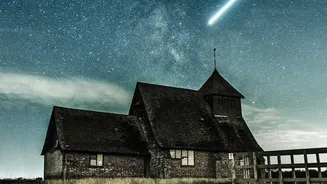
This is the most critical part of your mission. Light pollution from cities is the biggest enemy of a good meteor shower experience, as it can obscure all but the brightest meteors. To get the 'reward' mentioned in the headline, you must find a dark location away from city and street lights. Think about heading to the outskirts of your town, a nearby hill, a rural village, or a park with an open view of the sky. In India, however, the August monsoon can be a major challenge, with clouds potentially obscuring the show for many. Your best bet for clear skies would be in rain-shadow regions or high-altitude areas like Ladakh, Spiti Valley, or the Rann of Kutch. Hanle in Ladakh is even designated as an official Dark Sky Reserve, offering some of the best possible views in the country.
What You Need (and What You Don't)
The good news is, you don’t need any special or expensive equipment. In fact, binoculars and telescopes are not recommended because they restrict your field of view, and the meteors can appear anywhere in the sky. Your naked eyes are your best tools. The key is comfort. Bring a blanket, a reclining chair, or a mat so you can lie back and look up without straining your neck. August nights can get chilly, even in summer, so a jacket or light blanket for warmth is a good idea. Pack some snacks and a warm drink, and you're all set for a cosmic vigil.
The Art of Patience
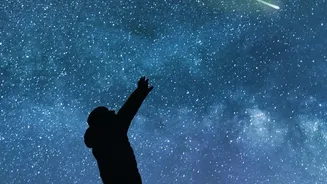
This isn't a movie; the 'shooting stars' won't appear on a fixed schedule. The final ingredient for a successful viewing is patience. Once you've found your dark spot, switch off all lights, including your phone screen, and allow your eyes about 20-30 minutes to fully adapt to the darkness. This step is crucial for spotting the fainter meteors. The meteors themselves often come in spurts, with quiet lulls in between. Don't be discouraged if you don't see one right away. Lie back, get comfortable, and simply watch the vast expanse of the sky. The meteors will appear to radiate from the constellation Perseus, but they can streak across any part of the heavens.