




A Thanksgiving for Deliverance
At its heart, Bonalu is a festival of gratitude. Its origins trace back to the 19th century, when a devastating plague swept through the twin cities of Hyderabad and Secunderabad. According to local history, a military battalion from Hyderabad stationed
in Ujjain prayed to the Goddess Mahakali, vowing to build a temple in her honour if she spared their city. When the epidemic subsided, the soldiers fulfilled their promise, installing an idol of the Goddess and making a food offering. That act of thanksgiving has since evolved into a statewide annual tradition, officially recognized as a state festival in 2014. Celebrated during Ashada Masam (typically July and August), it’s seen as the time the Goddess returns to her maternal home, where she is welcomed with feasts and festivities.
The Rhythmic Heartbeat of the Procession
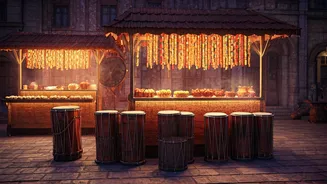
The most arresting sound of Bonalu is the incessant, hypnotic beat of the 'dappu' drums that echo through the city. This rhythm announces the arrival of the procession, which is led by a formidable figure: the Pothuraju. Considered the brother and protector of the Goddess, the Pothuraju is a bare-chested man, his body smeared with turmeric, with a vermilion-marked forehead and bells on his ankles. He dances with abandon, lashing a whip to clear the way for the divine procession and ward off negative energy. His fierce, high-energy performance is a central part of the festival's raw, untamed spirit, initiating the festivities and captivating onlookers.
An Offering of Devotion
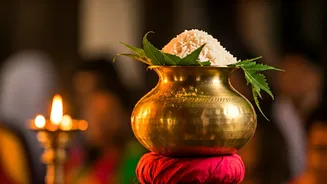
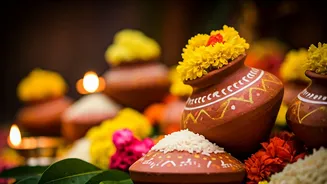
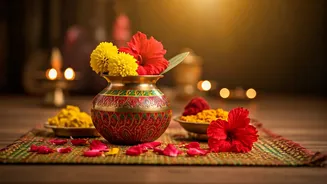
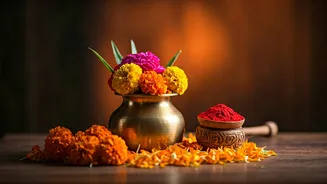
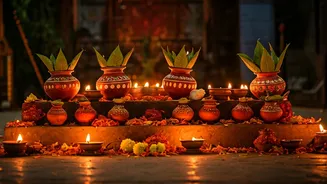
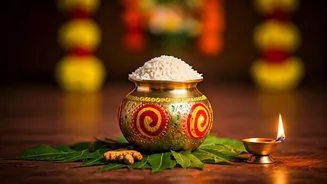
The word ‘Bonalu’ is derived from ‘Bhojanam’, the Telugu word for a meal. The festival's central ritual is the 'Bonam' offering. Women, dressed in vibrant traditional silk sarees, prepare rice cooked with milk and jaggery in a brass or earthen pot. This pot is decorated with neem leaves, turmeric, and vermilion, and crowned with a lit lamp. Balancing these pots on their heads, they form processions and walk to the temple to offer the Bonam to various forms of the Goddess, such as Yellamma, Pochamma, and Mahakali. This act is a deeply personal form of devotion and a spectacle of grace and faith.
The Oracle and the Final Immersion
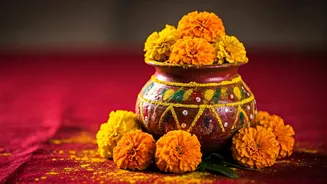
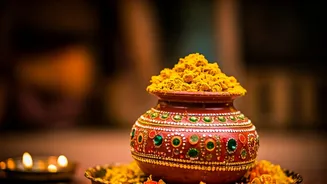
Beyond the main processions, two other key rituals are Rangam and the Ghatam procession. Rangam is an oracle ceremony, where a woman, believed to have channeled the spirit of the Goddess, enters a trance and delivers prophecies for the year ahead. This event draws massive crowds eager for divine guidance. The festival culminates with the Ghatam procession. A 'Ghatam', a decorated copper pot representing the Goddess, is carried by a priest through the streets for the duration of the festival. On the final day, this Ghatam, often carried on an elephant, is led in a grand procession before being ceremonially immersed in water, marking the conclusion of the month-long celebrations.
A Feast for the Streets
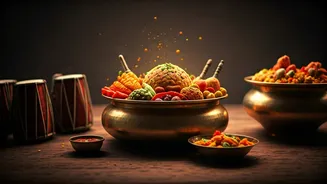
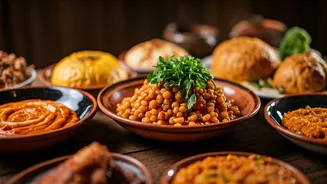
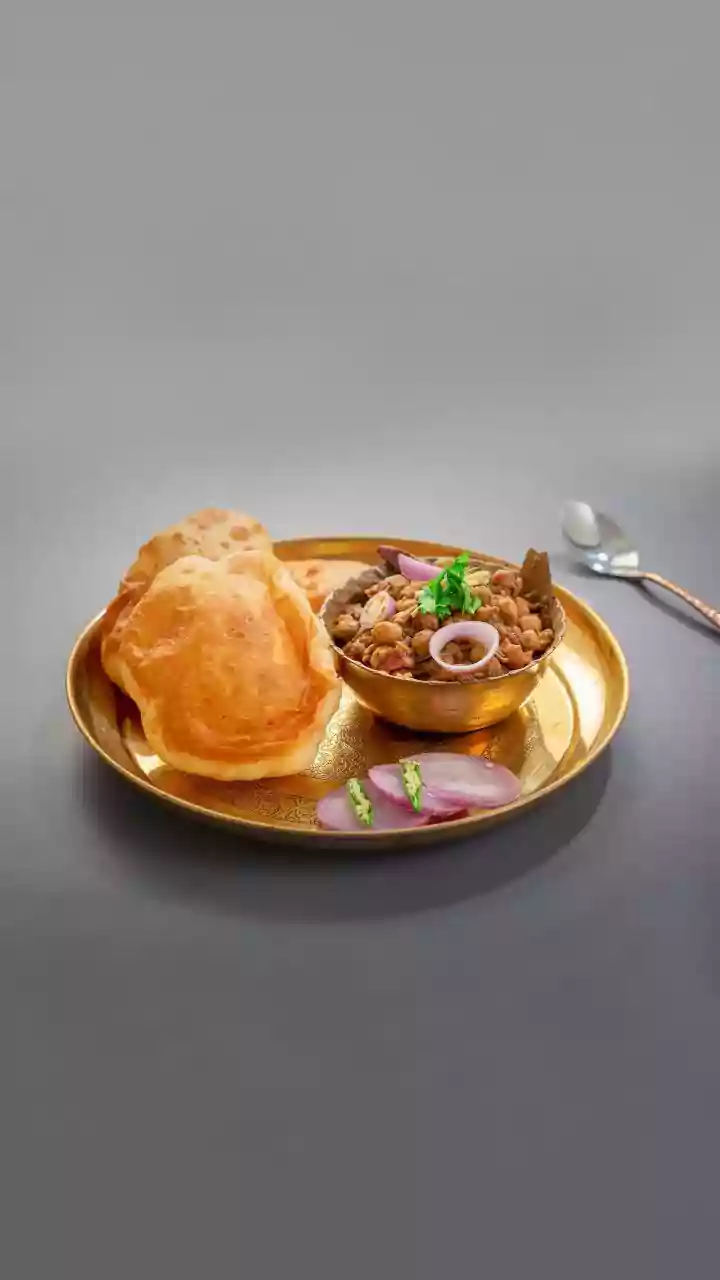
Bonalu is as much a feast for the palate as it is for the soul. After the offerings are made, families gather for a celebratory meal. Unlike many other Hindu festivals, the Bonalu feast prominently features non-vegetarian dishes. The streets and homes come alive with the aroma of traditional Telangana specialities. Popular dishes include mutton pulusu (a tangy meat curry), goat head curry, chicken pakoda, and liver fry. These are often served with bagara rice. For those with a sweet tooth, bellam annam (jaggery rice) and other local desserts provide a sweet conclusion to the hearty feast.