







The Deceptive Thermometer
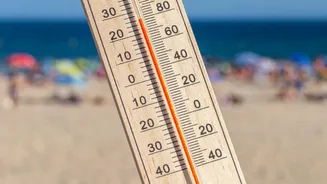
We all do it. After a refreshing downpour, we glance at the thermometer and feel a sense of relief. A reading of 32°C feels much better than the 42°C of a few weeks prior. But while the air temperature has dropped, the weather often feels just as oppressive,
if not more so. This sticky, suffocating feeling isn't your imagination. It’s a physical phenomenon where the number on the thermometer is telling you only a fraction of the story. Your body is reacting to a combination of factors, and the most significant one during the monsoon is the dramatic increase in humidity.
Humidity: The Real Culprit
Our bodies have a brilliant, built-in cooling system: sweating. When we get hot, we perspire. That sweat then evaporates from our skin, and this process of evaporation draws heat away from the body, cooling us down. However, this system has a critical weakness: it works best in dry air. When the air is saturated with water vapour—as it is during the monsoon—it can't absorb much more moisture. As a result, sweat can't evaporate efficiently. It may drip off your skin, but the cooling effect is drastically reduced. Your body continues to produce sweat, working harder and harder to cool down, leading to fluid loss without the desired cooling benefit. This is why a 32°C day with 90% humidity can feel more dangerous and exhausting than a 38°C day with 30% humidity.
Introducing the 'Feels Like' Temperature
To better communicate this risk, meteorologists and health agencies now use the Heat Index, often called the 'feels like' temperature. This measurement combines air temperature with relative humidity to provide a more accurate picture of how hot it feels to the human body and the associated health risk. The India Meteorological Department (IMD) has begun issuing experimental Heat Index information and advisories, acknowledging that temperature alone is an inadequate measure of heat stress, especially during humid conditions. For instance, an air temperature of 33°C with 75% humidity can feel like 47°C, placing the body under extreme stress and increasing the risk of heat-related illnesses.
The Health Risks of Hidden Heat
When your body can't cool itself effectively, it can lead to a cascade of health problems. The initial stage is often heat exhaustion, with symptoms like heavy sweating, weakness, dizziness, headache, and nausea. People with existing health conditions, the elderly, and young children are particularly vulnerable. If the body’s core temperature continues to rise, it can lead to heatstroke, a life-threatening medical emergency. Signs of heatstroke include a high body temperature (above 103°F or 39.4°C), hot, red, or dry skin, confusion, and potential loss of consciousness. During the monsoon, the risk of these conditions is high, even on days that don't seem exceptionally hot according to the thermometer.
How to Stay Safe From Monsoon Heat Stress
Protecting yourself from humid heat involves helping your body do what the weather is preventing it from doing: cooling down. Staying hydrated is paramount; drink plenty of water and other fluids even before you feel thirsty. Wear lightweight, loose-fitting, and light-coloured cotton clothing to allow for what little air circulation is possible. Try to avoid strenuous activity during the most humid parts of the day, which are often after rainfall or during peak afternoon hours. Pay attention to your body. If you feel dizzy, weak, or excessively tired, move to a cooler, less humid space immediately and rest. Taking a cool shower can also provide immediate relief by helping to lower your body temperature.