







The New Recruiter: How AI Works
Across India, companies in IT, finance, and e-commerce are increasingly using AI to manage the high volume of job applications. These are not sentient robots making decisions, but sophisticated software programs designed to make hiring faster and more
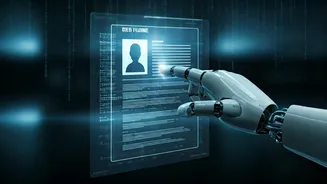
efficient. The most common tool is the Applicant Tracking System (ATS), which scans resumes for specific keywords and skills related to the job description. Instead of a human reading every CV, the AI does the first filter, ranking candidates based on how well they match the role's requirements. Beyond resume screening, companies use AI for gamified assessments to test problem-solving skills, and even for initial video interviews where algorithms analyze responses, communication style, and confidence. This shift means the first hurdle for any student is no longer just impressing a human recruiter, but successfully communicating their value to an algorithm.
Beyond the Marksheet: What AI Values
If AI is filtering candidates, what is it looking for? The focus is shifting dramatically from credential-based hiring to skill-based hiring. While good grades are still relevant, they are now just one part of a much larger picture. AI systems are programmed to identify tangible evidence of a candidate's abilities. These fall into several key categories. First are soft skills: things like communication, teamwork, adaptability, and problem-solving. These are no longer just buzzwords; AI-powered video and behavioural assessments are designed to gauge these traits. Second is practical experience. Internships, freelance gigs, and real-world projects demonstrate that a student can apply their knowledge. Finally, AI literacy itself has become a sought-after skill. Recruiters want to see that you can use AI tools thoughtfully to enhance your work, not just that you know what ChatGPT is.
Building an AI-Proof Career Profile
Given this new reality, students must be proactive in building a profile that appeals to both algorithms and human recruiters. The first step is to tailor your resume for every application. Analyse the job description for keywords and required skills, and ensure those terms are present in your CV to pass the ATS screening. However, a keyword-stuffed resume isn't enough. You need to provide proof of your abilities through a portfolio. A portfolio is a collection of your best work—case studies from internships, personal projects, or even detailed analyses of university assignments. For a non-technical student, this could be a marketing campaign you designed or a research paper you wrote, showcasing how you used AI tools in the process. Hosting this on a simple website or even a well-organized LinkedIn profile can make a massive difference.
The Enduring Power of the Human Touch
While the rise of AI in recruitment might seem daunting, it's crucial to remember that its primary role is to streamline the initial stages. AI tools are great at filtering and matching, but the final decision to hire almost always rests with a human. The goal of optimising your profile for AI is to secure a spot in the interview room, where your personality, deeper insights, and cultural fit can shine. The skills that AI systems are being taught to value—communication, critical thinking, adaptability—are the very same qualities that impress human hiring managers. Therefore, by focusing on building a holistic profile with demonstrable skills and real-world projects, students are not just preparing for an algorithm; they are preparing to be compelling candidates in every stage of the hiring process.