



The Unsung Heroes of Indian E-Commerce
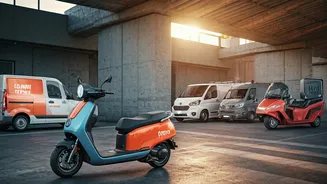
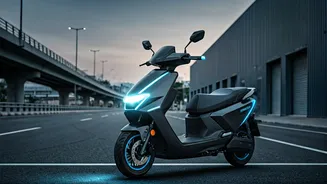
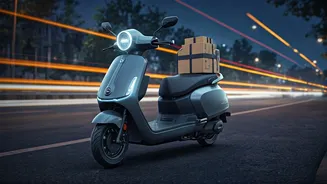
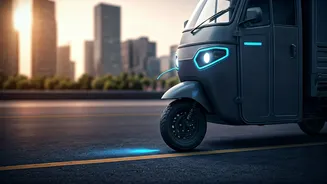
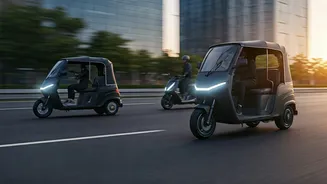
Last-mile delivery is the final, and most crucial, step in the e-commerce supply chain: moving goods from a local distribution hub to a customer's doorstep. [6] In India, this segment is dominated by two-wheelers and three-wheelers, which are perfectly
suited to navigating congested city streets and narrow lanes. [6, 20] This sector is not just growing; it's electrifying at a rapid pace. The market for electric last-mile delivery vehicles in India was valued at over USD 3.7 billion in 2025 and is projected to explode to over USD 22 billion by 2033. [13] For companies, the logic is simple: electric two- and three-wheelers have significantly lower operating costs compared to their petrol counterparts, offering savings on fuel and maintenance. [6, 10] For India's climate goals, electrifying these high-utilisation vehicles that are on the road all day delivers much bigger and faster emissions reductions than electrifying a privately owned car used for short daily commutes. [25]
The Financial Speed Bumps
Despite the clear benefits, the path to electrification is riddled with financial obstacles, especially for individual drivers and small fleet operators. The primary barrier is the high upfront cost of an EV compared to a traditional vehicle. [3] While government schemes like FAME (Faster Adoption and Manufacturing of Electric Vehicles) have provided subsidies, these have been inconsistent and sometimes reduced, creating uncertainty. [5, 16, 17] Securing loans is another major hurdle. Banks are often hesitant to finance commercial EVs for first-time buyers or those without a strong credit history, citing concerns about battery life and uncertain resale values. [2, 3] This pushes many potential buyers toward Non-Banking Financial Companies (NBFCs) and fintech lenders, where interest rates can be significantly higher, sometimes eating into the very fuel savings that make EVs attractive. [2]
The Charging and Swapping Conundrum
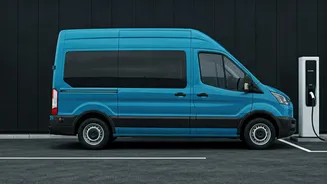
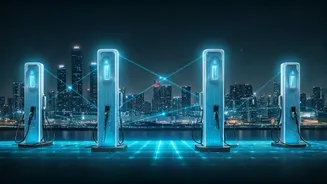
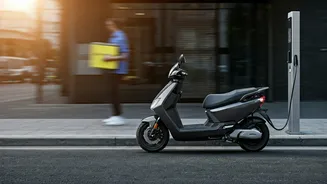
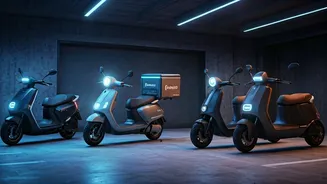
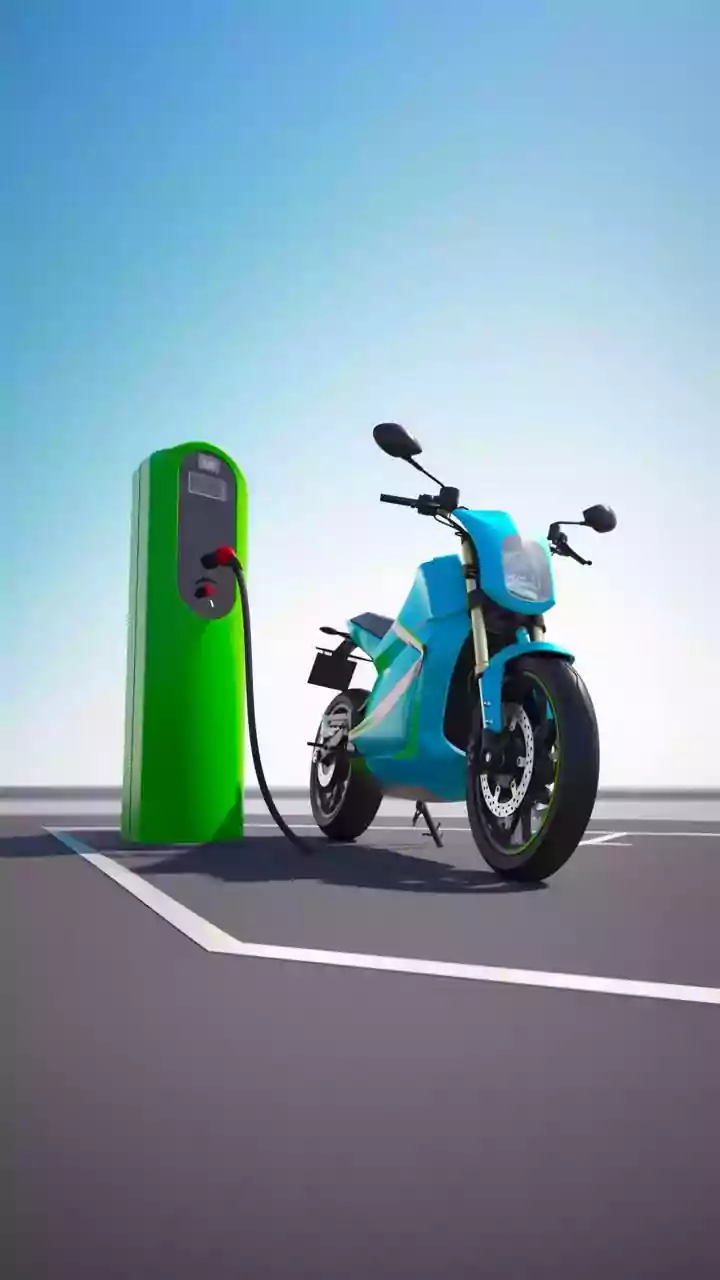
For a delivery driver, time is money. A vehicle that spends hours tethered to a charger is a vehicle that isn't earning. This makes the lack of a robust, fast, and reliable charging network a critical bottleneck. [7, 8] While the number of public charging stations is growing, they are unevenly distributed, mostly concentrated in major metro areas, and often suffer from reliability issues. [7, 12] This has given rise to a compelling alternative: battery swapping. [4] This model allows a driver to exchange a depleted battery for a fully charged one in minutes, drastically reducing downtime. [4, 10] It also lowers the vehicle's upfront cost, as the battery can be offered as a service (BaaS) on a subscription basis. [3, 11] Companies are increasingly setting up swapping networks, especially for the two- and three-wheeler segments, which use smaller, more manageable batteries. [2, 4, 26] However, building out this infrastructure requires immense capital and, crucially, standardisation of battery design to ensure interoperability between different vehicle brands. [28]
Building an Ecosystem, Not Just Selling Vehicles
Ultimately, strengthening the last-mile segment isn't just about incentivising vehicle sales. It's about building a supportive ecosystem. The upcoming FAME-III policy is expected to continue focusing on two- and three-wheelers, which is a positive sign. [16, 17] However, policy needs to go further. This includes promoting innovative financing models like operating leases, where operators rent vehicles instead of owning them, shifting the risk of battery degradation and maintenance to the leasing company. [2, 3] It also means actively supporting the expansion of both fast charging and battery swapping networks, especially near logistics hubs where they are needed most. [25] Some experts argue that the focus should shift from just vehicle subsidies to a more holistic, energy-first approach that includes decentralised generation like solar to power charging stations. [8] As India pushes towards its 2030 EV targets, success will be determined not by the number of high-end electric cars sold, but by how effectively it empowers the millions of drivers powering its last-mile economy.