


A Creamy Conquest
Remember a time before cheesecake? It’s getting harder. Over the past fifteen years, this decadent dessert has staged a quiet but complete takeover of Indian menus. It began its journey in the glass display cases of upscale bakeries and five-star hotel
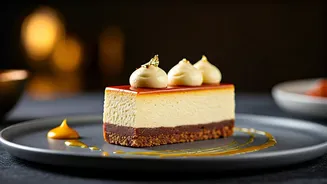
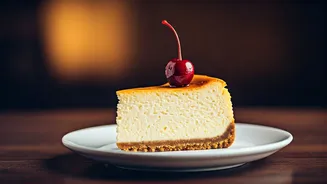
coffee shops in metros like Mumbai and Delhi. Initially, it was the classic New York-style cheesecake—a dense, rich, and unapologetically luxurious slice of cream cheese on a biscuit base. It was an aspirational dessert, a symbol of global culinary sophistication. Ordering a slice felt like a taste of another world, often accompanied by a significant bill. For years, it remained a special-occasion treat, a premium indulgence that was more of a novelty than a staple.
The Science of Staying Power
Many dessert fads have come and gone—cupcakes had their moment, macarons tried their best—but cheesecake endured. Its refusal to fade isn't an accident; it’s rooted in a perfect storm of factors. First, the palate. The creamy, smooth texture and rich flavour profile resonate surprisingly well with the Indian love for milk-based sweets like rabri, kulfi, and mishti doi. It offers a familiar mouthfeel in a novel format. Second, its visual appeal. In the age of Instagram, the clean lines of a perfect slice or the rustic charm of a 'burnt' top make for compelling social media content. It’s a dessert that looks as good as it tastes. Finally, its versatility. The simple cream cheese base is a blank canvas, a culinary playground for chefs and home bakers eager to experiment. This adaptability has been the secret to its long-term survival and relevance.
The Great Indian Makeover
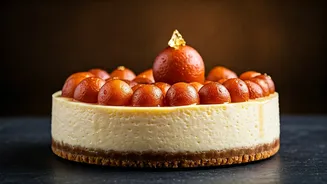
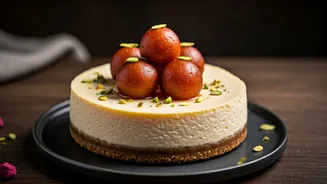
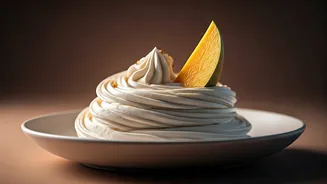
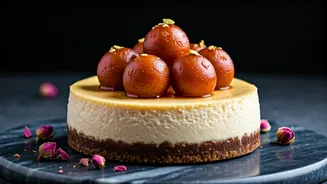
The true genius of cheesecake's journey in India lies in its Indianization. Once it moved beyond the exclusive domain of Western-style patisseries, local chefs and enterprising home bakers began to infuse it with familiar flavours. This was the turning point where cheesecake stopped being an import and started becoming our own. Suddenly, menus exploded with creativity. We saw the birth of the magnificent mango cheesecake, a seasonal delight that felt instantly traditional. Then came the fusion experiments: Gulab Jamun Cheesecake, with syrupy spheres buried in creamy filling; Rasmalai Cheesecake, blending two dairy-based desserts into one; and even Motichoor Ladoo Cheesecake during Diwali. By embracing desi flavours, the dessert shed its foreign identity and became a festive, celebratory dish that felt both modern and deeply comforting.
The Burnt Basque Revolution
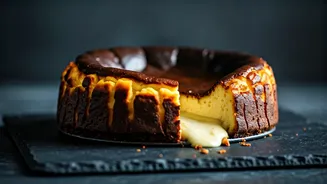
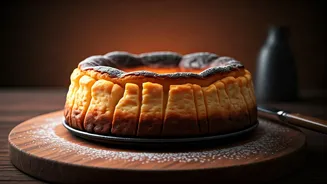
Just when we thought cheesecake had shown us all it could do, a new contender arrived: the Basque cheesecake. Hailing from Spain, this crustless wonder with its famously 'burnt' top and gooey, custardy centre took the Indian food scene by storm during and after the pandemic. Its rustic, imperfect look was a rebellion against the pristine perfection of the New York style. It looked homemade, approachable, and deeply indulgent. Food bloggers and home bakers popularised it on Instagram, and soon, it was the star of cloud kitchen menus and specialty bakeries. The Basque cheesecake didn't replace its predecessors; it expanded the universe. It proved that the trend wasn't just surviving, but evolving, maturing, and still capable of generating viral excitement.