




Your Natural Cleaning Arsenal
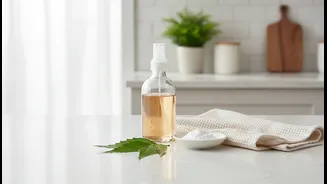
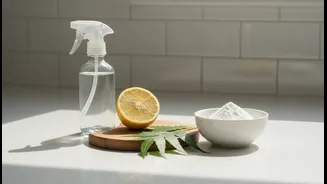
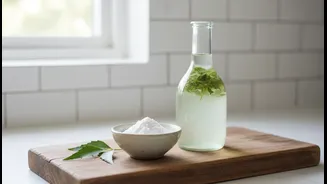
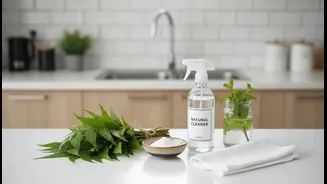
Before tackling monsoon messes, assemble a simple, effective toolkit. You don't need a cabinet full of chemicals. Most of what you need is already in your kitchen. White vinegar is a star player; its acidic nature helps to kill mould spores. Baking soda
is a fantastic deodoriser and a gentle abrasive for scrubbing. Lemon juice not only cleans but leaves a fresh scent, while its acidity helps lift light stains. Essential oils like tea tree, neem, and lavender have natural antifungal properties that are perfect for fighting mould and freshening the air. Other useful items include rock salt and charcoal briquettes, which are excellent at absorbing excess moisture from damp corners and cupboards.
Battling Dampness and Musty Odours
The number one complaint during the rainy season is that persistent damp, musty smell. The key is to control moisture. Improve air circulation by opening windows whenever there's a dry spell. For enclosed spaces like wardrobes and cabinets, place bowls of rock salt or activated charcoal to absorb ambient humidity. You can also leave open containers of baking soda in rooms to soak up moisture and neutralise odours. Used coffee grounds, once dried, can be placed in small pouches to act as natural deodorisers in shoe racks and drawers. For a quick air freshener, boil a handful of neem leaves in water and let the scent permeate your home, or use a diffuser with a few drops of lavender or eucalyptus oil.
Winning the War on Mould and Mildew
Mould is not just unsightly; it can trigger allergies and respiratory issues. To tackle it, a simple spray bottle is your best friend. For mould on walls or tiles, spray a solution of equal parts white vinegar and water. Let it sit for about an hour before scrubbing and rinsing. For tougher spots, you can use undiluted vinegar. A paste made of baking soda and water can also be used to scrub away mildew from surfaces. Another powerful option is tea tree oil; mix 15-20 drops with about 500ml of water in a spray bottle and apply it to affected areas like bathroom tiles or window corners.
A Renter’s Smart Cleaning Checklist
For renters, the primary concerns are effectiveness without causing damage and ensuring the security deposit remains safe. Always perform a spot test with any cleaning solution in an inconspicuous area first. For peeling paint on damp walls, a light mist of a diluted vinegar solution can help prevent mould growth underneath without further damaging the surface. Be cautious with major mould issues; while DIY solutions work for surface mould, extensive growth might indicate a bigger problem like a leak, which you should report to your landlord immediately. To prevent moisture damage in wooden furniture or cupboards, use moisture absorbers like silica gel packets—the kind you find in new shoe boxes. They are reusable if you dry them out in the sun.
The Professional Cleaner’s Edge
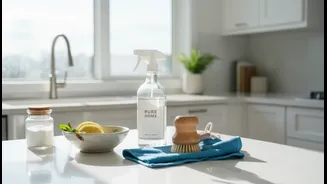
For professional home cleaners, efficiency, safety, and client satisfaction are paramount. Adopting a systematic approach, like cleaning from top to bottom, prevents re-cleaning surfaces. Using natural, low-chemical solutions can be a major selling point for health-conscious clients. Prepare your own all-purpose cleaner by mixing vinegar and water with a few drops of essential oil in a spray bottle. This is cost-effective and safe for most surfaces, but should be avoided on natural stone. Microfiber cloths are essential; they trap dust and grime effectively, often with just water, reducing the need for chemical sprays. For a fresh scent that impresses clients, sprinkle carpets with a mix of baking soda and a few drops of essential oil, let it sit for 15 minutes, and then vacuum thoroughly.