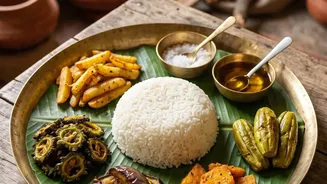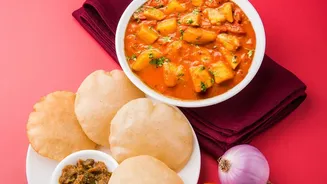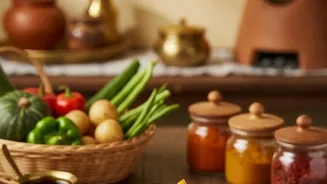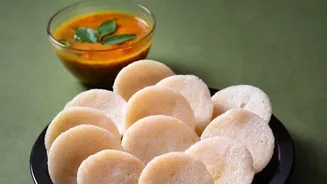




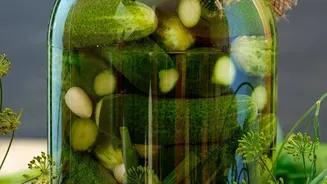
That familiar sharp, spicy aroma of a pickle jar opening is a core memory for many. Now, that taste of nostalgia is making a comeback, as urban diners and food lovers rediscover the complex flavours of traditional Indian pickles and preserves.
A Return to Roots
In the fast-paced
world of urban India, there's a growing appetite for authenticity. Amidst global food trends and quick-service meals, a significant movement is underway: the revival of heritage foods. More than just a meal, food is increasingly seen as a connection to culture and memory. This has sparked a renewed interest in the timeless art of pickling. For many, pickles—or achaar—are not just a condiment but a taste of home, a reminder of grandmothers skillfully sunning mangoes or lemons on a terrace. This emotional connection is a powerful driver, with a reported 70% of Indian households consistently including pickles in their meals, highlighting a desire for comforting, familiar flavours.
Beyond Mango and Lime
While mango and lime pickles remain eternal favourites, the current trend dives deeper into India's vast pickling repertoire. Consumers are exploring a wide array of regional and hyperlocal specialities that were once confined to family kitchens. There is a growing demand for unique flavours, from spicy prawn and fish pickles from the coasts to complex vegetable preserves like cauliflower and jackfruit. This curiosity has given rise to numerous home-grown and artisanal brands, many of which were born during the pandemic. These new-age businesses are documenting and preserving heirloom recipes, offering everything from Malabar-style seafood pickles to tangy Rajasthani chilli pickles, making these niche tastes accessible to a wider urban audience.
The Modern Health Halo
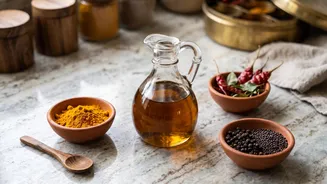
The wellness wave has also played a role in this revival. As consumers become more health-conscious, there's a growing appreciation for traditional food preparation methods like fermentation. Naturally fermented pickles are a source of probiotics, which are beneficial for gut health. Many traditional pickle recipes also use spices known for their health properties, like turmeric, fenugreek, and asafoetida, which are rich in antioxidants and can aid digestion. While a mindful approach is needed due to high salt and oil content, many are choosing artisanal pickles made with natural ingredients and cold-pressed oils over mass-produced versions with artificial preservatives. This aligns with a broader desire for 'clean' and natural foods.
Chefs Championing Heritage
This trend isn't just happening in homes; it's also visible on restaurant menus. A new generation of Indian chefs is moving away from fusion and reinvention, focusing instead on preservation and documentation. These culinary custodians are travelling to remote villages to learn from elders and revive lost recipes, bringing them to urban restaurants. By placing a spotlight on a rare regional pickle or using a traditional preserve in a contemporary dish, chefs are reintroducing diners to the depth and diversity of India's culinary heritage. This has helped elevate the humble pickle from a simple side dish to a gourmet ingredient that tells a story of tradition and place.