





The Theatre of Record-Breaking Chases
Perhaps nothing defines this rivalry more than the high-stakes chase. The pinnacle remains the 2002 NatWest Series final at Lord's. England set a mammoth 325, a seemingly impossible target at the time. When India slumped to 146-5, with icons like Tendulkar
and Dravid back in the pavilion, the match looked over. But two youngsters, Yuvraj Singh and Mohammad Kaif, scripted one of the greatest comebacks in ODI history. Their fearless partnership led India to a breathtaking two-wicket victory, culminating in Sourav Ganguly's iconic shirt-wave from the Lord's balcony—a moment of defiant celebration that turned the rivalry's passion into legend. This trend of epic chases has continued, with both teams repeatedly breaching the 350-run mark in subsequent years, making every run-chase a potential spectacle.
A Collision of Legendary Generations
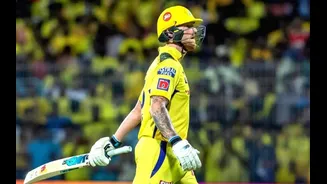
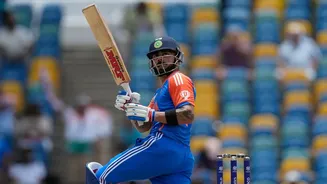
The rivalry has always been a stage for generational talents to clash. In the early 2000s, it was the mastery of Sachin Tendulkar, the aggression of Sourav Ganguly, and the guile of Anil Kumble against the grit of Nasser Hussain and the all-round firepower of Andrew Flintoff. Fast forward to the modern era, and the battles are just as epic. We've witnessed the run-machine Virat Kohli and the elegant Rohit Sharma take on England's new-age titans like the technically perfect Joe Root, the explosive Jos Buttler, and the game-changing Ben Stokes. The 2017 series, for instance, saw Yuvraj Singh and MS Dhoni roll back the years with monumental centuries in one game, only for Eoin Morgan to reply with a blistering hundred of his own, showcasing the depth of talent on both sides.
Unforgettable World Cup Drama
When the stakes are highest, this fixture delivers its most memorable drama. The 2011 World Cup encounter in Bengaluru is a case in point. Played in front of a roaring home crowd, Sachin Tendulkar scored a majestic 120 to help India post a massive 338. England, in response, looked set for a historic win, led by a stunning 158 from their captain, Andrew Strauss. The match swung back and forth, with Zaheer Khan producing a game-changing spell to bring India back from the brink. In a nail-biting finish, the teams ended on exactly the same score, resulting in only the fourth tie in World Cup history. It was a match that had everything and left fans of both nations breathless, perfectly encapsulating the unpredictable nature of this contest on the biggest stage.
Passion, Controversy and Iconic Moments
This isn't a rivalry played with polite smiles. It's fueled by raw passion that often spills over. The shirt-waving saga is the most famous example. It began when Andrew Flintoff celebrated a win in Mumbai by taking off his shirt and running around the Wankhede field. Sourav Ganguly's passionate response at Lord's later that year was direct payback, a moment that is now etched in cricketing folklore. Beyond these grand gestures, the rivalry has been punctuated by intense on-field exchanges and mind games that add an extra layer of spice. It's a contest where players wear their hearts on their sleeves, and this visible, high-stakes emotion is a huge part of what makes it so compelling for spectators to watch.
A Masterclass in Contrasting Philosophies
In recent years, the rivalry has become a fascinating clash of cricketing ideologies. India has often relied on its rich tradition of wristy, artistic top-order batsmen and a formidable spin attack that can choke teams in the middle overs. On the other hand, since their 2015 World Cup exit, England has pioneered a hyper-aggressive, data-driven brand of white-ball cricket. Their philosophy revolves around all-out attack from ball one, batting deep, and clearing the ropes with power and precision. This stark contrast in styles makes for a captivating tactical battle every time they meet. It’s not just a contest between players, but a test of which cricketing philosophy will prevail on the day, ensuring that no match is ever a foregone conclusion.