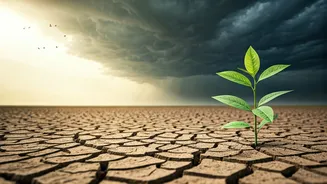

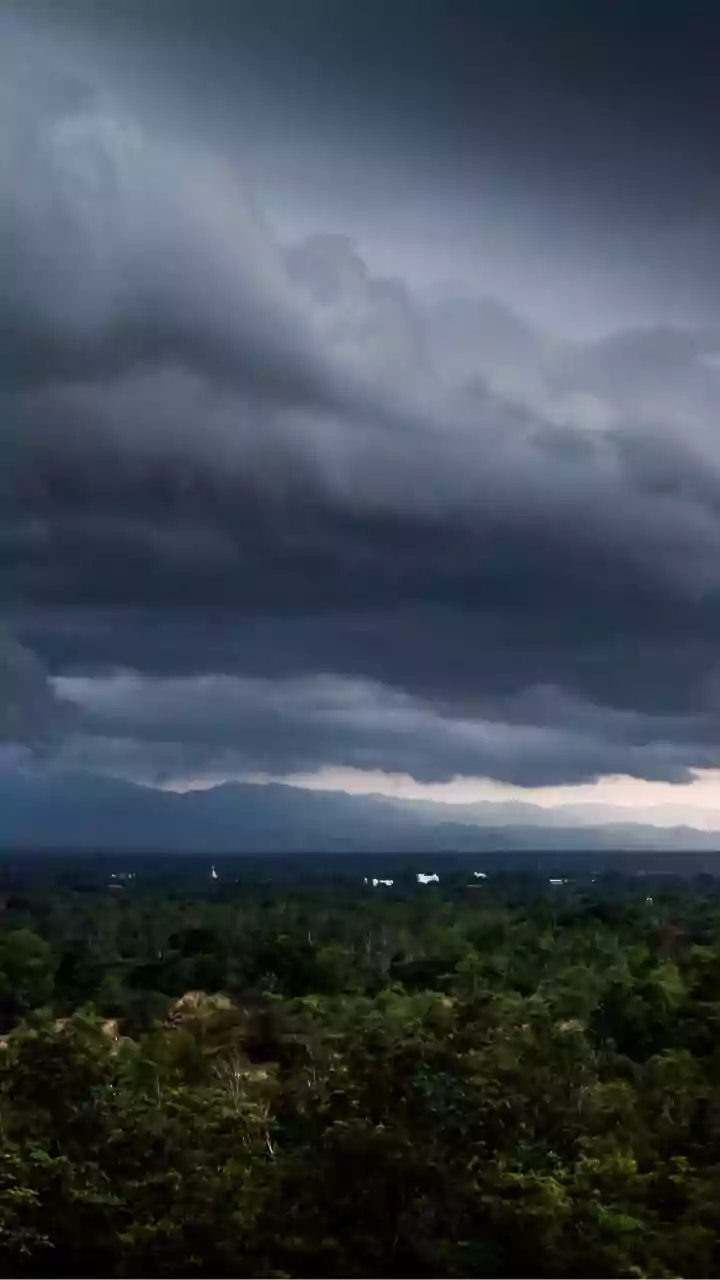


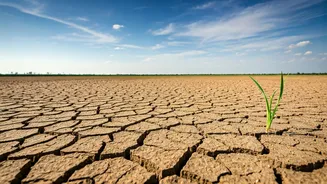



A Tense Wait Ends, A New Challenge Begins
The southwest monsoon finally entered Rajasthan on Thursday, July 2nd, a full seven days after its revised normal onset date of June 25. While this has brought some relief from the scorching heat, the delay underscores a precarious situation. The India
Meteorological Department (IMD) has projected a below-normal monsoon for July, with rainfall potentially up to 10% below the long-period average. This forecast, coupled with the initial delay, has moved state planning from a mode of casual readiness to one of high alert. The concern is no longer just about when the rain will arrive, but how much will fall and whether it will be enough.
From Contingency to Crisis Management
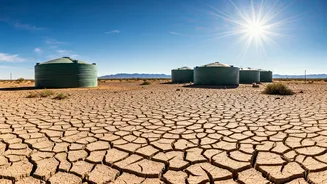
The state apparatus is leaving little to chance. Well before the monsoon's delayed entry, the Public Health Engineering Department (PHED) had rolled out a summer contingency plan, allocating funds for drinking water management and directing officials to ensure an uninterrupted supply. This involves cracking down on illegal water connections and the use of booster pumps that disrupt the distribution system. Plans to deploy GPS-tracked water tankers to needy areas and prioritise the digging of new tubewells were also put in motion. The delay has added urgency to these measures, turning what was once a pre-monsoon drill into a critical, ongoing operation to manage scarce resources.
The Farmer's Gambit
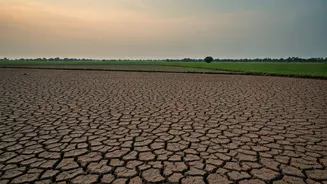
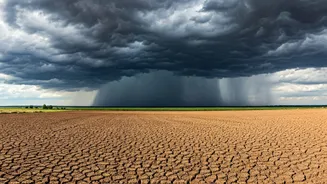
For Rajasthan's farmers, the delayed monsoon is a critical blow. The Kharif sowing season, which is heavily dependent on timely rains, has been significantly impacted. Across India, the area under cultivation for key crops like rice, pulses, and oilseeds is down sharply compared to last year, a direct consequence of a weak June monsoon. In Rajasthan, the delay has created uncertainty for farmers preparing to sow major crops like bajra, guar, and maize. Agricultural experts have been advising farmers to prepare for adaptive strategies, such as opting for short-duration crops or dry sowing, to mitigate potential losses. The situation is a high-stakes gamble where every day without widespread, sustained rain increases the risk to rural livelihoods.
Urban Thirst and Reservoir Realities
The state's urban centres are watching the skies with equal concern. The water levels in Rajasthan's major dams and reservoirs are a critical indicator of water security for cities like Jaipur, Jodhpur, and Udaipur. Ahead of this year's monsoon, the picture was worrying: of the state’s 693 dams, 319 were reported to be completely dry. Even the Bhakra Reservoir, a key water source for Rajasthan, has seen its water level and inflows drop compared to last year due to the delayed rains and reduced snowmelt. While the monsoon's recent arrival is expected to bring some extremely heavy rainfall to eastern and southeastern districts, which could help replenish reservoirs, officials remain cautious. The focus is on judicious use of existing supplies until a clearer picture of the monsoon's performance emerges.
A Shift Towards Long-Term Strategy
This year's delay is more than a one-off event; it fits into a larger pattern of climate uncertainty that is forcing a fundamental rethink of Rajasthan's water strategy. The state, which has just over 1% of India's surface water, is increasingly focused on long-term water security. Major infrastructure initiatives, like the Eastern Rajasthan Canal Project (now the Ram Jal Setu Link Project) and agreements with neighbouring states like Haryana for water sharing, are being fast-tracked. The government is also pushing to connect over 90% of the state to surface water sources by 2026 to reduce its heavy dependence on groundwater. The annual anxiety of a delayed monsoon is serving as a powerful catalyst, pushing the state towards a more resilient and less 'casual' approach to managing its most precious resource.