



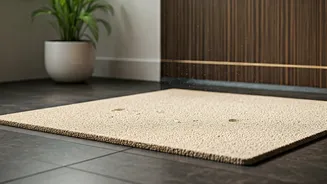


1. Create an Entryway 'Damp Zone'
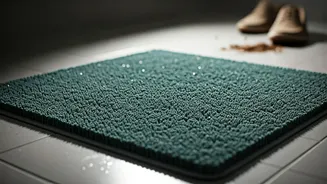
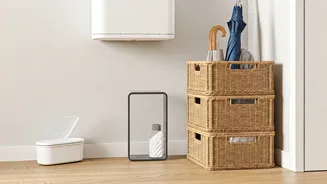
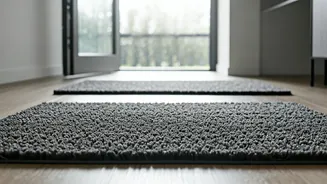
The first line of defence against monsoon mess is your front door. Don't let wet items travel through the house. Designate a specific 'damp zone' right at the entrance. Place a highly absorbent doormat both outside and inside. A waterproof tray or a shallow
plastic tub is perfect for collecting muddy shoes and preventing water from pooling on your floor. Install a few sturdy hooks for dripping raincoats and umbrellas. The goal is to contain the wetness before it has a chance to spread, making cleanup infinitely easier and protecting your floors from water damage.
2. Ventilate Your Wardrobe
High humidity is the biggest enemy of your clothes during the rains, leading to that dreaded musty smell and the growth of mildew. Your packed wardrobe is a prime breeding ground. Start by decluttering to improve air circulation. Don't pack clothes too tightly. Leave a small gap between hangers. Consider using dehumidifying products like silica gel pouches or calcium chloride moisture absorbers, placing them in the corners of your cupboards. Traditional Indian solutions like camphor balls or dried neem leaves wrapped in muslin cloth also work wonders to repel insects and fight mustiness, keeping your garments fresh.
3. Go Vertical with Drying Racks
With sunshine being a rare commodity, drying clothes indoors becomes a necessity. Instead of draping damp laundry over chairs and doors, which restricts airflow and creates a damp environment, invest in a good quality vertical drying rack. These tiered racks make the most of wall height, offering ample drying space without taking up too much floor area. They are perfect for small apartments. Look for collapsible models made from stainless steel or powder-coated metal that won't rust. Position the rack in a well-ventilated area, like near a window or under a fan, to speed up the drying process.
4. Protect Leather and Valuables
Leather goods, expensive electronics, and important documents are particularly vulnerable to the damp monsoon air. Mould can ruin a favourite handbag or pair of shoes in days. Store your leather items in breathable cloth bags (never plastic) after wiping them clean. Place silica gel packets inside shoes and bags to absorb excess moisture. For important papers, passports, and photographs, invest in waterproof document bags or sealed plastic files. Keep them in a drawer or cupboard that is elevated from the floor to protect them from any potential leaks or flooding.
5. Use Vacuum Storage Bags
Monsoon is the perfect time to store away items you won't be using, like heavy winter blankets, quilts, or even summer-specific clothing. Vacuum storage bags are a game-changer. By sucking out all the air, they reduce the volume of bulky items by up to 75%, freeing up an incredible amount of cupboard space. More importantly, the airtight seal provides an impenetrable barrier against moisture, mildew, dust, and insects. This ensures that when you take them out again after the season, they are as fresh and clean as when you put them away.
6. Rethink Your Linen and Kitchen Storage
The dampness doesn't just affect your clothes; it seeps into your kitchen and linen closets too. Ensure your towels and bedsheets are bone dry before storing them, and consider rolling them instead of folding to improve airflow. In the kitchen, humidity can make salt, sugar, and spices clump together. Transfer them from their cardboard or paper packaging into airtight glass or steel containers. This not only keeps them dry and usable but also prevents pests that are more common during the rainy season. A little organisation here goes a long way in preventing waste and frustration.