

The Sun's Turbulent Weather
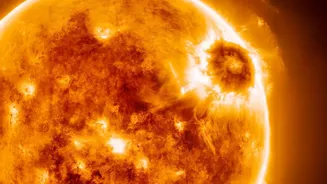
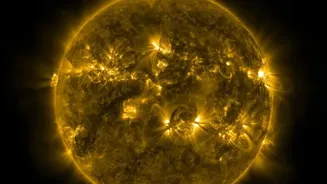
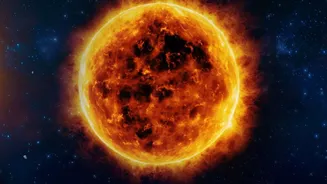
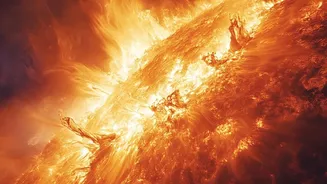
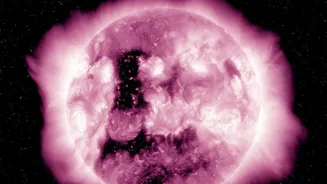
A solar storm is a major disturbance on the Sun that can blast enormous amounts of energy and charged particles into space. Think of it as space weather. These events typically originate from two main phenomena: solar flares and coronal mass ejections
(CMEs). A solar flare is an intense burst of radiation from the Sun's surface, like a gigantic flash of light. A CME, on the other hand, is a massive eruption of magnetised plasma from the Sun's outer atmosphere, the corona. While solar flares are powerful, it's the CMEs that often pose the greatest risk to Earth. They act like a cannonball of solar material, sometimes weighing billions of tonnes, hurtling through space.
When Solar Gusts Hit Home
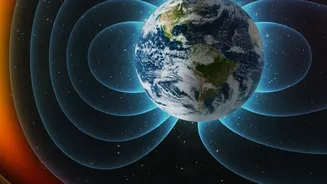
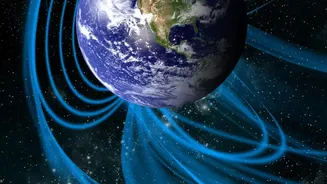
When a CME is aimed at Earth, it travels across the solar system and can slam into our planet's protective magnetic field, known as the magnetosphere. This collision triggers a geomagnetic storm, a major disturbance of Earth's magnetic environment. Earth's magnetic field and atmosphere shield us from the most harmful radiation, meaning these storms pose no direct danger to humans on the ground. However, the technology we rely on is far more vulnerable. The influx of energy can induce powerful electrical currents on Earth's surface and disrupt the upper atmosphere, leading to a cascade of problems for our high-tech infrastructure.
The Threat to Our Connected World
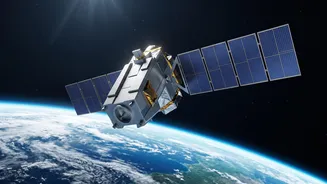
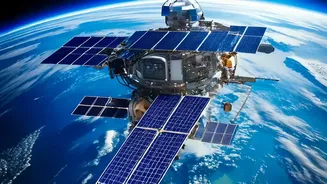
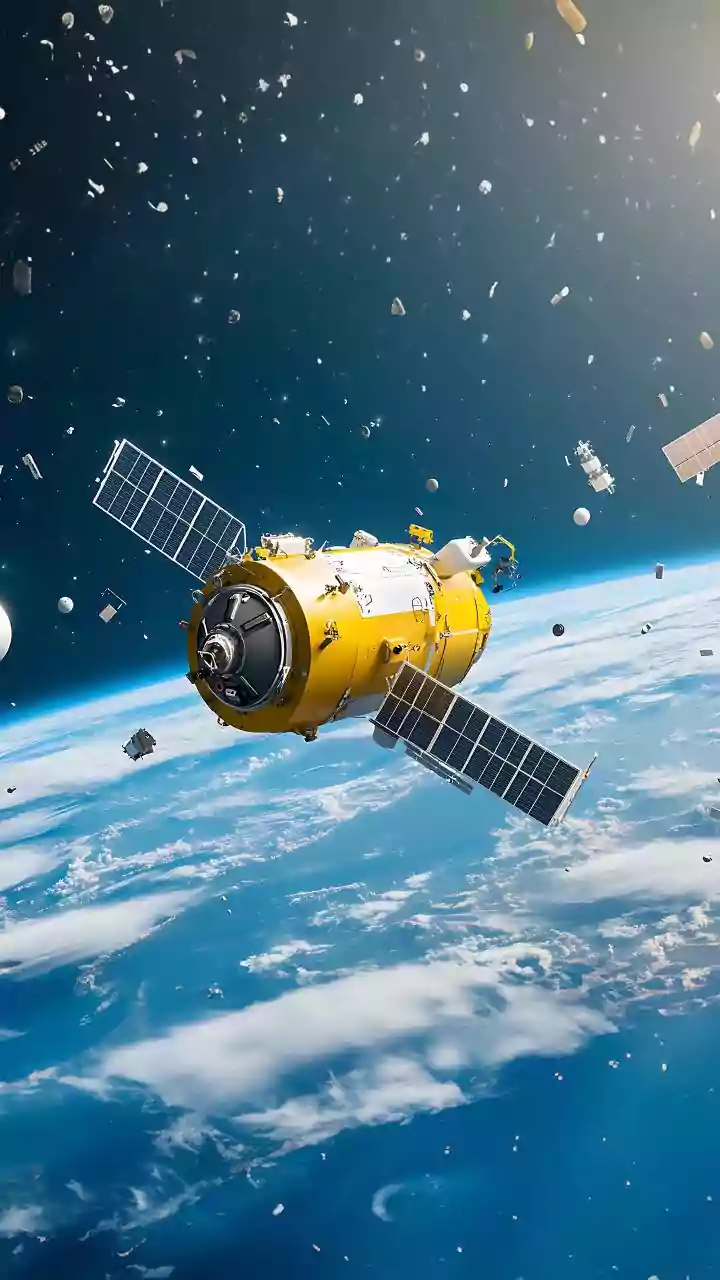
The primary risks from a severe geomagnetic storm are to our power grids and satellites. The induced ground currents can flow into electrical transmission lines, potentially overloading and damaging high-voltage transformers, which could lead to widespread and long-lasting power outages. Satellites are also in the direct line of fire. The intense radiation can damage their electronics and degrade solar panels, while the heating of the upper atmosphere increases drag, causing low-orbiting satellites to lose altitude. This could disrupt everything from GPS navigation—affecting aviation, shipping, and even ride-hailing apps—to communications, banking transactions, and television broadcasts that depend on satellite networks.
A Warning from History
To understand the potential chaos, we can look to the past. The most intense geomagnetic storm in recorded history is the Carrington Event of 1859. This massive storm, resulting from a CME that reached Earth in just 17.6 hours, wreaked havoc on the era's cutting-edge technology: the telegraph system. Telegraph stations around the world experienced failures, with reports of operators receiving electric shocks and sparks setting telegraph paper on fire. Auroras, usually confined to polar regions, were so bright and widespread that people in the Caribbean could see them, and some in the US reported being able to read newspapers by their light. If a storm of that magnitude were to happen today, the impact on our satellite-dependent and electricity-powered society would be immense.
Watching the Sun, Protecting the Planet
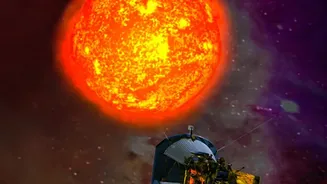
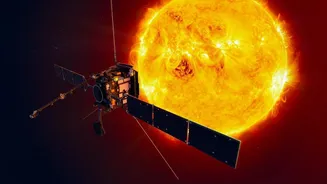
Fortunately, we aren't flying blind. Scientists at agencies around the world continuously monitor the Sun for signs of CMEs and other activity. This gives us some warning—anywhere from hours to a few days—before a storm hits, allowing satellite operators and grid managers to take protective measures. India has significantly boosted its capabilities in this area with the Aditya-L1 mission. Positioned at a special point in space 1.5 million kilometres from Earth, Aditya-L1 provides an uninterrupted view of the Sun. Data from the mission is already providing crucial insights into the structure of solar storms and helping scientists refine models to better predict their arrival and intensity, playing a vital role in safeguarding our critical infrastructure.