



The Great Indian Road Trip 2.0
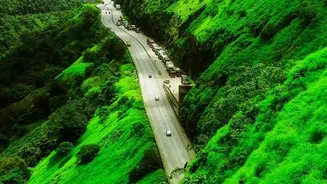
The romance of the Indian road trip is getting a major upgrade. For years, it meant a quick weekend dash to a familiar hill station or beach town. Today, it’s evolving into something more profound. An expanding network of national highways, which has
grown by over 60% since 2014, is making previously remote locations accessible. This isn't just about smoother, faster roads; it's about a fundamental shift in the traveller's mindset. The post-pandemic world has accelerated a desire for open spaces and authentic experiences, away from crowded tourist hubs. Travellers are increasingly seeking out personal, less-scripted journeys, and the freedom of a car allows for just that. Longer trips of more than a week are on the rise, fuelled by flexible work schedules and a growing “workation” culture.
From Tourist Traps to Hidden Treasures
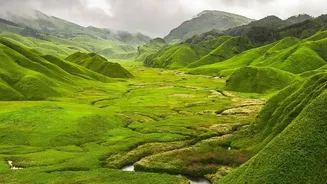
This new wave of road travel is shining a spotlight on destinations that were once just dots on a map. Places like Jibhi and the Barot Valley in Himachal Pradesh, Ziro Valley in Arunachal Pradesh, and coastal villages in Karnataka are witnessing a surge in visitors. These are not your typical high-volume tourist spots. Instead, they offer a quieter, more intimate experience. Travellers are being drawn to the unique culture of the Apatani tribe in Ziro, the tranquil riverbanks of Jibhi, and the serene beaches of Gokarna. The trend is also visible in the rising popularity of routes connecting smaller cities, such as Ahmedabad to Vadodara or Thrissur to Kochi, indicating a growing appetite for regional exploration.
A Boost for the Local Economy
This shift is creating a more sustainable and distributed tourism model. Instead of revenue being concentrated in a few major hubs, it's now flowing into smaller towns and rural communities. The demand for authentic stays has led to a boom in homestays, boutique villas, and eco-friendly resorts. These establishments not only provide travellers with an immersive local experience but also create livelihoods for residents, offering an alternative source of income. Local artisans, guides, and small cafes are all benefiting from this new influx of discerning travellers. This model of tourism fosters a deeper connection between visitors and hosts and helps preserve local culture and heritage.
The Road Ahead
The rise of the road trip is being driven significantly by younger travellers, particularly Gen Z, who now account for nearly a third of all road trips. Their preference for flexible itineraries and offbeat destinations is reshaping the industry. However, this growing popularity comes with its own set of challenges. The very appeal of these pristine locations is their untouched nature, and there is a real risk of over-tourism damaging fragile ecosystems and straining local infrastructure. The key will be to manage this growth responsibly. This means promoting sustainable practices, ensuring local communities are primary beneficiaries, and encouraging travellers to be mindful and respectful visitors. The future of travel in India may well be written on its highways, but the story must be one of conscious exploration.