





Understanding the New Mandate: CAFE-3
The government has notified the third phase of its Corporate Average Fuel Economy norms, known as CAFE-3, which will be effective from April 1, 2027, to March 31, 2032. Unlike vehicle-specific emission rules like BS6, CAFE norms don't target individual
cars. Instead, they require each manufacturer to meet a fuel consumption target averaged across their entire fleet of vehicles sold in a year. This means a company can still sell a less-efficient SUV, but it must be balanced by selling a significant number of highly efficient models to keep its company-wide average in check. The goal is to make the entire fleet of new cars sold in the country more fuel-efficient over time.
A Significantly Stricter Target
The CAFE-3 norms represent a major leap in stringency. For a manufacturer with an average fleet weight of 1,229 kg, the target will tighten from about 94.8 grams of CO2 per kilometre (g/km) in fiscal year 2028 to just 78.9 g/km by 2032. This marks an improvement of around 16.7% over five years. For context, the current CAFE-2 limit is 113 g/km. Failing to meet these targets comes with a hefty price. Manufacturers can face penalties that start at ₹2,500 per g/km of shortfall in 2028, rising annually to ₹4,500 by 2032, which could translate into crores of rupees for large-volume producers.
The Rise of Hybrids and EVs
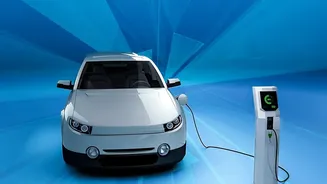
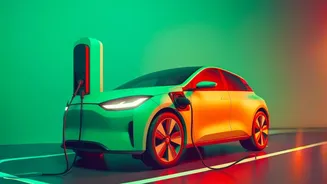
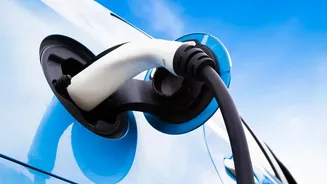
To meet these challenging targets, manufacturers will be heavily incentivised to sell more electric and hybrid vehicles. The new rules introduce a 'super credit' system where certain vehicles count for more than one sale in the fleet calculation. A battery electric vehicle (BEV) or a range-extended electric vehicle (REEV) will be counted as three vehicles. Strong hybrids get a 1.6x multiplier, while plug-in and flex-fuel hybrids get a 2.5x credit. This mathematical advantage makes electrification the most effective tool for carmakers to lower their fleet average. Consequently, expect to see a wider variety of hybrid and EV models, potentially at more competitive price points, as companies push to increase their sales.
The Small Car Debate and Weight-Based Rules
A major point of debate during the drafting of the rules was whether small, lightweight cars should get special concessions. Manufacturers of smaller cars argued that their vehicles are already efficient and have limited room for further improvement without significant cost increases. The final rules did not include a specific carve-out for small cars. Instead, the framework uses a weight-based formula where lighter fleets have a stricter target and heavier fleets get a more relaxed one. While this benefits makers of lighter cars to some extent, the overall pressure to improve efficiency remains across the board.
More Tech, Potentially Higher Prices
Beyond pushing for EVs and hybrids, the CAFE-3 norms will make certain technologies more common in petrol and diesel cars. The rules recognise 12 specific fuel-saving technologies, such as start-stop systems, tyre-pressure monitoring, and six-speed-or-higher transmissions. Manufacturers can claim a small reduction in their emissions calculation for each technology used. This will likely accelerate the adoption of turbocharged petrol engines over larger, naturally aspirated ones and encourage the use of lightweight materials. While these advancements lead to better fuel efficiency, they also come at a cost. The investment in new powertrains and technologies could lead to an increase in the showroom prices of new cars.