



The Science of a Rainy Day Craving
There’s a scientific reason why the sight of dark clouds makes you crave fried food. The drop in sunlight during the monsoon can lower levels of serotonin, a hormone that keeps us feeling happy. This dip can trigger cravings for carbohydrate-rich and
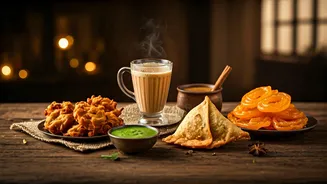
fried foods, which our brains associate with pleasure and comfort. When the weather is damp and gloomy, the warm, crunchy texture of a freshly fried snack provides a satisfying contrast and a feeling of cosiness and well-being. This emotional and sensory connection is powerful, which is why the craving for snacks like pakoras, samosas, and cutlets feels almost automatic when it rains.
A Bite of Colonial History
The cutlet we know and love today is a delicious piece of culinary history. Its origins trace back to the British Raj, evolving from the European 'côtelette,' a thin slice of meat on the bone. In India, where fresh meat could be tough, British cooks often used minced meat (keema) mixed with potatoes. This practice was quickly adopted and adapted in Indian kitchens. The Portuguese and Dutch had already introduced the potato to India, and Bengalis, in particular, took to the vegetable with enthusiasm. The humble potato became the star, and the modern Indian cutlet—a spiced patty, often vegetarian, coated and fried—was born, eventually becoming a popular snack at places like Kolkata's Indian Coffee House.
Anatomy of the Perfect Cutlet
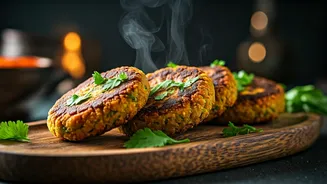
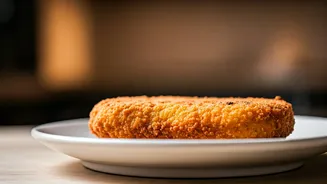
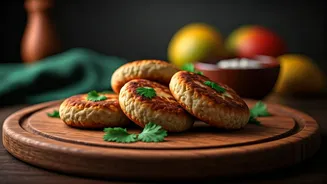
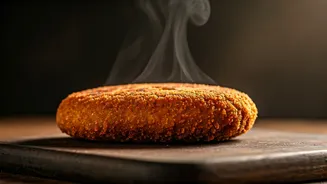
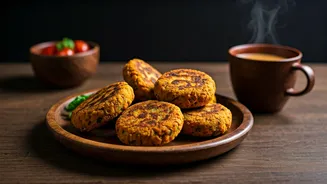
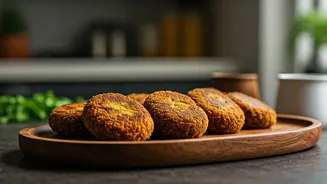
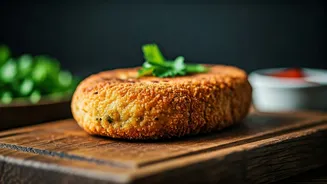
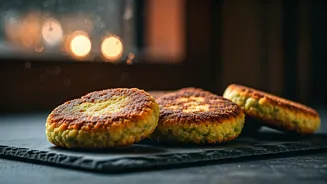
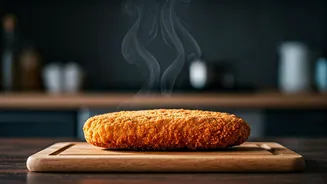
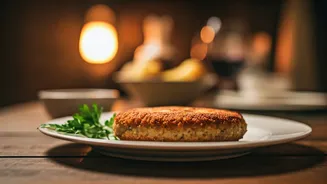
What makes a homemade cutlet so special? It's all about the texture and flavour. The perfect cutlet is a masterclass in contrast: irresistibly crispy on the outside with a soft, flavourful interior. The foundation is usually boiled and mashed potatoes, which act as the perfect binding agent. To this base, a medley of finely chopped vegetables like carrots, peas, beans, and cabbage is added for nutrition and texture. The heart of the cutlet lies in its spice mix—a blend of essentials like cumin, coriander, garam masala, and perhaps some chaat masala for a tangy kick. For that signature crunch, a coating of breadcrumbs is traditional, though semolina (rava) or crushed poha (beaten rice) also work wonderfully before shallow or deep frying to a perfect golden brown.
Beyond the Classic Vegetable Medley
While the mixed vegetable cutlet is a timeless classic, the beauty of this snack lies in its endless versatility. Across India, you'll find countless variations to suit every palate. For a creamy and rich flavour, crumbled paneer can be added to the potato mix. Other popular versions include those made with sweet potato, spinach, or even raw banana for a unique twist. For non-vegetarians, minced chicken or mutton cutlets are a staple. You can also experiment with ingredients like corn, mushrooms, or beetroot to add colour and distinct flavours. Some recipes even use leftover rice or poha as the base, ensuring nothing goes to waste.
The Perfect Pairings
A cutlet is only as good as the company it keeps, and the right accompaniments can elevate it from a simple snack to a memorable treat. The most classic pairing is a duo of chutneys. A fresh, spicy mint-coriander green chutney and a sweet-and-sour tamarind (imli) chutney are non-negotiable for many. And, of course, no monsoon snack session is truly complete without a steaming cup of adrak chai (ginger tea) to wash it all down. The combination of the hot, crispy cutlet with tangy chutney and aromatic tea is a quintessential Indian monsoon experience.