







The Hidden Dangers of Your Desk Chair
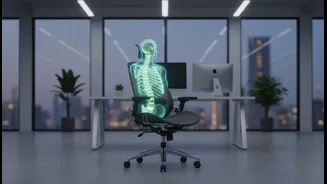
The phrase “sitting is the new smoking” has gained traction for a reason. While not a perfect analogy, it highlights the serious health consequences of a sedentary lifestyle. When you sit for long periods, your body’s systems slow down. Research has linked
prolonged sitting to an increased risk of chronic conditions like heart disease, type 2 diabetes, and even certain types of cancer. A recent study from July 2026 published in Plos Medicine found that sitting for more than 30 minutes at a time was associated with an increased risk of cancer death. The human body is designed for movement. When we remain static, blood circulation slows, which can lead to fatigue, muscle stiffness, and swollen legs. It also contributes to musculoskeletal issues, with neck, shoulder, and lower back pain being common complaints among office workers. Over time, this inactivity can affect your metabolism, blood pressure, and cholesterol levels.
Your 30-Minute Wake-Up Call
So, where does the 30-minute rule come from? It's not an arbitrary number. Multiple studies confirm that breaking up long periods of sitting is crucial, and the half-hour mark appears to be a critical threshold. Research shows that interrupting sitting every 30 minutes with even light activity can help offset the negative effects. A study published in Medicine & Science in Sports & Exercise found that walking for just five minutes every half hour was the optimal strategy to significantly lower both blood sugar and blood pressure levels during an eight-hour workday. This is a key insight: frequency matters more than one single, intense workout. Going to the gym after work is beneficial, but it may not fully undo the damage of sitting uninterrupted for eight hours. These small, consistent movements, often called 'exercise snacks', keep your metabolic and circulatory systems engaged, reducing fatigue and improving mood throughout the day.
Your Five-Minute Reset Menu
A reset doesn't have to be complicated or disruptive. The goal is to simply change your posture and activate your muscles. Here are a few simple ideas you can do right at your workspace in just a few minutes: 1. Walk and Hydrate: Get up to get a glass of water. It’s a simple, effective way to get your steps in and stay hydrated. 2. Desk Push-Ups: Stand a few feet from your desk, place your hands on the edge, and do a few inclined push-ups to activate your chest, shoulders, and core. 3. Seated Spinal Twist: While in your chair, gently twist your torso to one side, using the armrest for a deeper stretch. Hold for 20-30 seconds and repeat on the other side. This helps relieve back tension. 4. Standing Hip Flexor Stretch: While standing, step one foot back into a slight lunge, keeping your back straight. You'll feel a stretch in the front of your hip. This is crucial for counteracting tight hips from sitting. 5. Shoulder Rolls and Neck Stretches: Release tension from your upper body by rolling your shoulders backward and forward. Gently tilt your head from side to side to stretch your neck muscles. 6. Chair Squats: Stand up from your chair and sit back down again, but without using your hands. Repeat 10-15 times to activate your glutes and leg muscles.
Building Movement Into Your Workflow
Knowing you should move is one thing; remembering to do it is another. The key is to make it an automatic habit. Set a recurring timer or calendar alert for every 30 minutes. This simple digital nudge can be incredibly effective. Another strategy is 'habit stacking'—linking your movement break to an existing routine. For example, decide to stand up and stretch after every email you send or every phone call you finish. Consider making movement a team activity. Suggest standing or walking meetings, which can also boost energy and productivity. If you have a standing desk, alternate between sitting and standing, aiming for about 15 minutes of standing per hour. The goal isn’t perfection, but progress. Don’t worry if you miss a break; just get back on track with the next one. Start small and find what works for you, making movement a non-negotiable part of your workday.