





The Song and the Artists
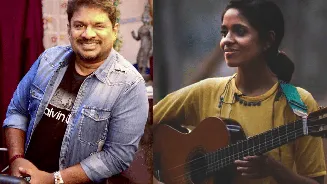
The track at the center of this seismic cultural moment is 'Varuvaaiy', a contemporary interpretation of a century-old devotional poem by the celebrated Tamil poet Subramania Bharati. The song, nominated for Best Global Music Performance at the 69th Annual
Grammy Awards, is the first-ever Tamil-language song to receive such an honor. It was composed and performed by Indian-American musician Devan Ekambaram, with vocals from Subhiksha Rangarajan, who performs as Susha. The piece masterfully blends traditional Carnatic melodies rooted in raag Desh with neo-jazz and modern electronic elements, creating a sound that is both timelessly spiritual and refreshingly current. For both Devan, a veteran playback singer with over 500 film songs to his name, and Susha, a classically trained vocalist who later studied jazz, the nomination is a career-defining first.
A Landmark Nomination
To understand the weight of this nomination, one must look at the history of Indian music at the Grammys. While artists like Ravi Shankar and Zakir Hussain have been celebrated for decades, and A.R. Rahman broke new ground with his wins for 'Slumdog Millionaire', recognition for a song performed entirely in a regional Indian language has been elusive. 'Varuvaaiy' changes that. Its presence in a major category signals that the global music industry is finally looking beyond Bollywood and classical traditions to the rich, diverse sounds emerging from India’s regional music scenes. The nomination is not just for the artists but for the Tamil language and the legacy of Bharathiar, whose poetry has been reinterpreted for a new global generation. It places Tamil music in direct conversation with international superstars, validating its artistic merit and commercial potential on an unprecedented scale.
The Rising Tide of Tamil Indie
This Grammy nomination did not happen in a vacuum. It is the culmination of over a decade of explosive growth in the Tamil independent music scene. Artists have increasingly been moving beyond the confines of the dominant film music industry, using digital platforms to craft unique artistic identities. From the political rap of Arivu and the global hip-hop of artists like Shan Vincent de Paul to the viral pop of Sai Abhyankkar and the genre-bending R&B of Sid Sriram, Tamil artists have been building a loyal global following. This movement has been particularly empowered by the Tamil diaspora in countries like Sri Lanka, Malaysia, and Canada, who have championed these sounds and created a vibrant international community around the music.
The Streaming Revolution
The single biggest catalyst for this global shift has been the rise of streaming platforms. Services like Spotify and YouTube have completely democratized music distribution, allowing an artist from Chennai to be heard instantly in London or Toronto. This has been a game-changer for regional music, which was once limited by geography. According to a Spotify report, streams for Tamil music have seen massive growth, and international streams of Indian artists have surged by over 2,000% in recent years. Platforms have become an export infrastructure for Indian music, with a significant portion of royalties for Indian artists now coming from listeners outside the country. This digital ecosystem allows artists to bypass traditional gatekeepers, connect directly with fans, and build sustainable careers outside the film industry.
What Comes Next?
The nomination for 'Varuvaaiy' is a powerful symbol, but its true impact will be measured in the opportunities it creates. For Tamil music, this moment could open the floodgates for more international collaborations, greater investment in independent artists, and a renewed confidence in exporting culturally specific music without diluting it for a Western audience. As the lines between local and global continue to blur, this recognition proves that authenticity is a powerful currency. The world is not just listening; it is celebrating the diverse sounds of India. Regardless of whether 'Varuvaaiy' takes home the award on February 7, 2027, its nomination has already secured a historic win for Tamil culture, ensuring that its voice will only get louder on the world stage.