







Embrace Ventilation
The simplest solution is often the most effective. Trapped, humid air is the primary cause of musty smells. Whenever the rain lets up, open your windows and doors to allow for cross-ventilation. This simple act flushes out damp air and brings in fresh,
dry air, preventing the buildup of moisture that leads to mildew. Even running a fan in a closed room can help circulate the air, making it harder for odours to settle. For areas like bathrooms and kitchens, which are prone to dampness, ensure exhaust fans are working or keep a window slightly ajar.
Harness Natural Moisture Absorbers
Before you buy expensive gadgets, look in your kitchen pantry. Several common items are excellent at absorbing excess moisture and neutralizing odours. Placing bowls of baking soda, coarse sea salt, or activated charcoal in damp corners, wardrobes, and shoe racks can make a significant difference. These materials are hygroscopic, meaning they naturally draw moisture from the environment. Used coffee grounds, once dried, also work well to absorb smells while releasing a pleasant aroma. Remember to replace these natural dehumidifiers every week or two as they become saturated.
Care for Your Wardrobe and Linens
Closets are notorious for developing a damp smell during the monsoon. The key is to ensure everything stored inside is bone-dry. If you dry clothes indoors, do so in a well-ventilated room with a fan to speed up the process. Never store slightly damp clothes. To protect your stored items, avoid over-packing your cupboards to allow air to circulate. You can place moisture absorbers like silica gel packets, chalk, or small pouches of camphor or neem leaves inside to keep the environment dry and repel mildew.
Strategic Cleaning with Vinegar
White vinegar is a powerhouse for fighting monsoon odours due to its antifungal properties. To clean surfaces, you can create a spray by mixing equal parts white vinegar and water. This solution is effective on walls, in cupboards, and on other surfaces where mould might grow. For laundry, adding half a cup of vinegar to the rinse cycle can help neutralize musty smells on clothes and towels without leaving a lingering vinegar scent. Placing a bowl of white vinegar in a room can also help absorb ambient odours over a few days.
Don't Just Mask, Eliminate
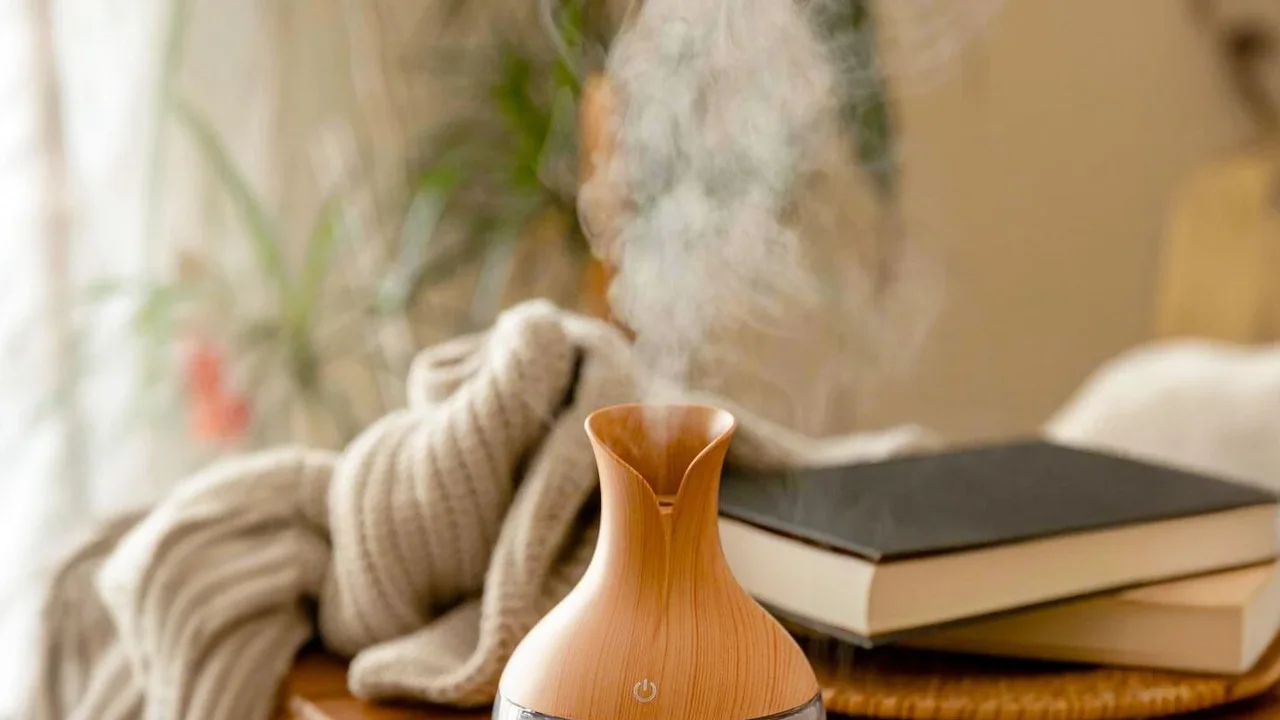
While scented candles and essential oil diffusers can make your home smell wonderful, they should be the final step after you've addressed the root cause of the odour. Using fragrances to simply cover up a musty smell can lead to a heavy, cloying atmosphere. First, focus on reducing humidity and cleaning away any mould or mildew. Once your home is clean and dry, introduce pleasant scents. Essential oils like eucalyptus, tea tree, lavender, and lemongrass are great choices as they have natural antibacterial properties and can be used in a diffuser or as a room spray.
Inspect and Maintain
Sometimes, a persistent damp smell points to a bigger issue. Regularly inspect your home for signs of water leakage from roofs, walls, or plumbing. Addressing these leaks promptly is crucial for preventing long-term dampness and mould growth. During the monsoon, it's also a good idea to roll up and store expensive carpets or rugs, as they can trap a significant amount of moisture and become a source of odour. Regularly wipe down furniture and check areas behind large furniture for any signs of dampness.