




From Kitchen Staple to Wellness Statement
The Indian dairy market, long defined by loose milk and homemade staples, is undergoing a profound transformation. What was once a purely functional part of the daily diet is now at the center of a major wellness movement. The conversation is no longer
just about volume—India is the world's largest milk producer—but about value. Companies are now focused on how to enhance milk and traditional products like paneer and dahi to meet the demands of a new generation of health-conscious urban consumers. This shift is driven by rising disposable incomes, a growing awareness of nutrition, and the convenience offered by quick commerce platforms. As a result, the dairy aisle is moving beyond the simple milk pouch and into a sophisticated marketplace of value-added goods.
The New-Age Dairy Aisle
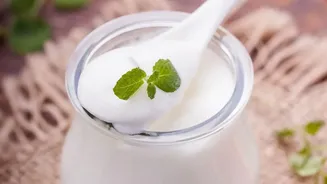
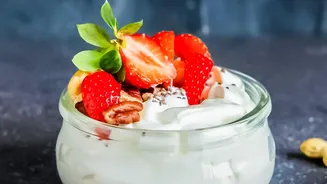
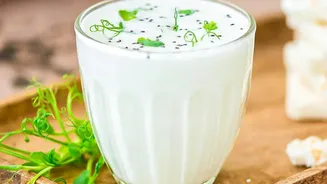
Walk through a modern retail store today, and you'll see this evolution firsthand. High-protein paneer now shares shelf space with artisanal yogurts. Ghee is being marketed with A2 milk credentials, and probiotic-fortified lassi is competing with ready-to-drink protein coffees. Major players like Amul and Mother Dairy are rapidly expanding their portfolios to include whey protein, specialty cheeses, and functional beverages. Startups are also carving out niches. Brands like Epigamia have introduced products like lactose-free artisanal curd, while others are offering organic, farm-to-table paneer and goat milk kefir. Even traditional sweets are getting a modern, convenient makeover, offering authentic flavours without the time-consuming preparation. This explosion of choice signals that nutrition, convenience, and premiumisation are the new cornerstones of the industry.
The Protein Revolution and Conscious Consumers
At the heart of this trend is India's growing protein consciousness. Once a concern mainly for athletes, protein intake is now a mainstream wellness goal for everyone from schoolchildren to working professionals. Dairy companies have responded by launching protein-enriched milk, yogurt, and paneer. Paneer, in particular, has become a growth superstar. Traditionally made at home, this vegetarian staple is now a branded, packaged product, and its market share is growing so fast it is expected to overtake ghee. This is fueled by urban households that increasingly favour the convenience of ready-to-consume products over home preparation. The shift isn't just about saving time; it reflects a broader consumer demand for quality, consistency, and innovation in everyday foods.
Addressing Modern Health Concerns
Beyond protein, brands are also catering to specific dietary needs that were previously unaddressed. The rise of lactose-free products is a prime example. A significant portion of the Indian population struggles with lactose intolerance, often without realizing the cause of their digestive discomfort. Brands like NOLACT and Epigamia are tapping into this market with lactose-free milk and curd, offering the nutritional benefits of dairy without the adverse effects. Similarly, the demand for probiotic products is booming, driven by consumers seeking to improve their gut health. Yogurt, lassi, and other fermented drinks are being fortified with beneficial bacteria strains to support digestion and immunity.
Challenges and the Road Ahead
This transformation is not without its hurdles. The dairy industry still grapples with challenges like fragmented supply chains, the need for robust cold-chain infrastructure, and the price sensitivity of the Indian market. Ensuring consistent quality and educating consumers about the benefits of these new value-added products requires significant investment. However, the opportunity is immense. The market for value-added dairy products is growing several times faster than that for liquid milk. As incomes continue to rise and health awareness deepens, the fusion of traditional dairy with modern wellness is set to redefine one of India’s most essential industries for decades to come.