


Check Official Sources Before You Leave
Your first step should always be to consult official channels. The Brihanmumbai Municipal Corporation (BMC) and Mumbai Traffic Police are your most reliable sources for real-time information. Both agencies often issue advisories on social media platforms
and through dedicated apps. The 'Disaster Management BMC' app, for instance, provides push notifications on traffic diversions, train delays, high-tide timings, and weather alerts from the India Meteorological Department (IMD). Red and orange alerts from the IMD are a clear signal to avoid non-essential travel. Following these official accounts can give you a clear picture of the overall situation in the city, helping you make an informed decision before you even step out the door.
Use Technology to Map Your Route
Beyond official bulletins, technology offers a dynamic, real-time view of the streets. Apps like Google Maps now include features to show waterlogged roads and closures in Mumbai. Community-driven platforms like m-Indicator provide live train tracking and updates on bus services, which are crucial when the city's rail network is affected. For a more granular view of waterlogging, apps developed by IIT Bombay like 'Mumbai Floods' or crowdsourced platforms like 'MumbaiRainWatch' can show you which specific streets are inundated. Using these tools allows you to anticipate problems along your intended path and find a safer, alternative route if necessary.
Assess the Water Level Visually
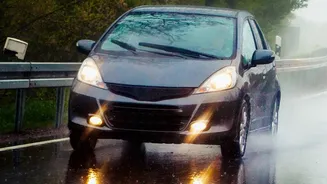
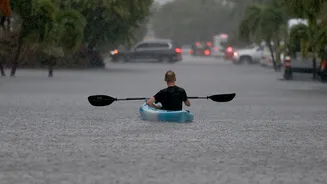
If you're already on the road, knowing how to read visual cues is critical. Never underestimate a puddle. As a rule of thumb, if the water on a road is deep enough to cover the kerb or rises above the bottom of your car door sills, it's best to turn back. Just six inches of water can be enough to stall many passenger cars, and a foot can cause a vehicle to lose traction and float. Look for other stalled vehicles, as they are a clear indicator that the water is too deep to cross safely. Also, be aware that floodwaters can hide open manholes, potholes, and other debris that could cause an accident or severe damage to your vehicle.
Understand Your Vehicle's Limits
Not all modes of transport are equal in the face of a downpour. Two-wheelers are particularly vulnerable to slippery roads and the spray from larger vehicles, which can severely reduce visibility. For cars, the primary danger is water entering the engine's air intake or the exhaust pipe, which can lead to a catastrophic failure known as hydrostatic lock. If you must drive through a waterlogged patch, do so in a low gear with steady, higher revs to prevent water from entering the exhaust. However, the safest option is to avoid it entirely. If your car stalls in water, do not try to restart it, as this will only draw more water into the engine.
Know the Notorious Flood-Prone Areas
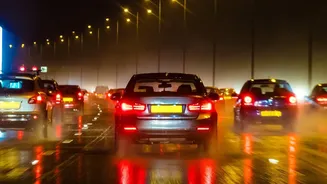
Every Mumbaikar knows that some areas are more susceptible to waterlogging than others. Low-lying spots like the Andheri subway, Sion, Dadar, King's Circle, and parts of Kurla are notorious for flooding quickly during heavy spells. Underpasses are particularly dangerous as they can fill with water rapidly, trapping vehicles. Before starting your journey, consider if your route passes through any of these known choke points. Listening to radio traffic updates or checking social media for real-time reports can help you avoid getting stuck in these areas. Sometimes, a longer route that avoids these spots is much faster and safer than a direct one.
Always Have a Plan B
In Mumbai's monsoon, conditions can change in an instant. A clear road can become impassable in under an hour. Therefore, having a backup plan is not just advisable; it's essential. Before you leave, think about an alternative route or a different mode of transport you could switch to if your primary plan fails. Keep a 'monsoon kit' in your car or office with a change of clothes, a towel, and a power bank for your phone. Your phone is your lifeline for information and communication, so ensuring it stays charged is crucial. Letting a family member or friend know your route and expected travel time is also a wise precaution.