


Swap crowded hotspots for the quiet hum of forest life. This four-day itinerary is your guide to a different kind of Uttarakhand, one where the journey through Kumaon's serene villages and vibrant art is the true destination.
Day 1: Arrival in the Orchards and Village Walks
Your journey begins with an
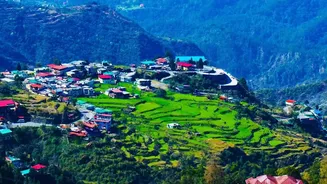
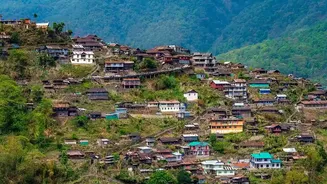
arrival at Kathgodam, the gateway to the Kumaon hills. From here, instead of heading to a bustling town, take a scenic drive towards a quieter village like Peora or Mukteshwar. These areas are known for their fruit orchards, especially apple, plum, and peach. Check into a village homestay, a core part of the slow-travel experience. These stays, often run by local families, offer an authentic glimpse into Pahadi life and contribute directly to the community. The first day is for acclimatisation. Leave your bags, breathe in the crisp mountain air, and spend the afternoon on a gentle walk through the village. The trails will take you past traditional slate-roofed houses, terraced fields, and friendly locals. The goal is to disconnect from the rush and sync with the unhurried rhythm of the mountains. End the day with a simple, home-cooked Kumaoni meal, often made with ingredients sourced from the family's own farm.
Day 2: Forest Bathing and Himalayan Panoramas
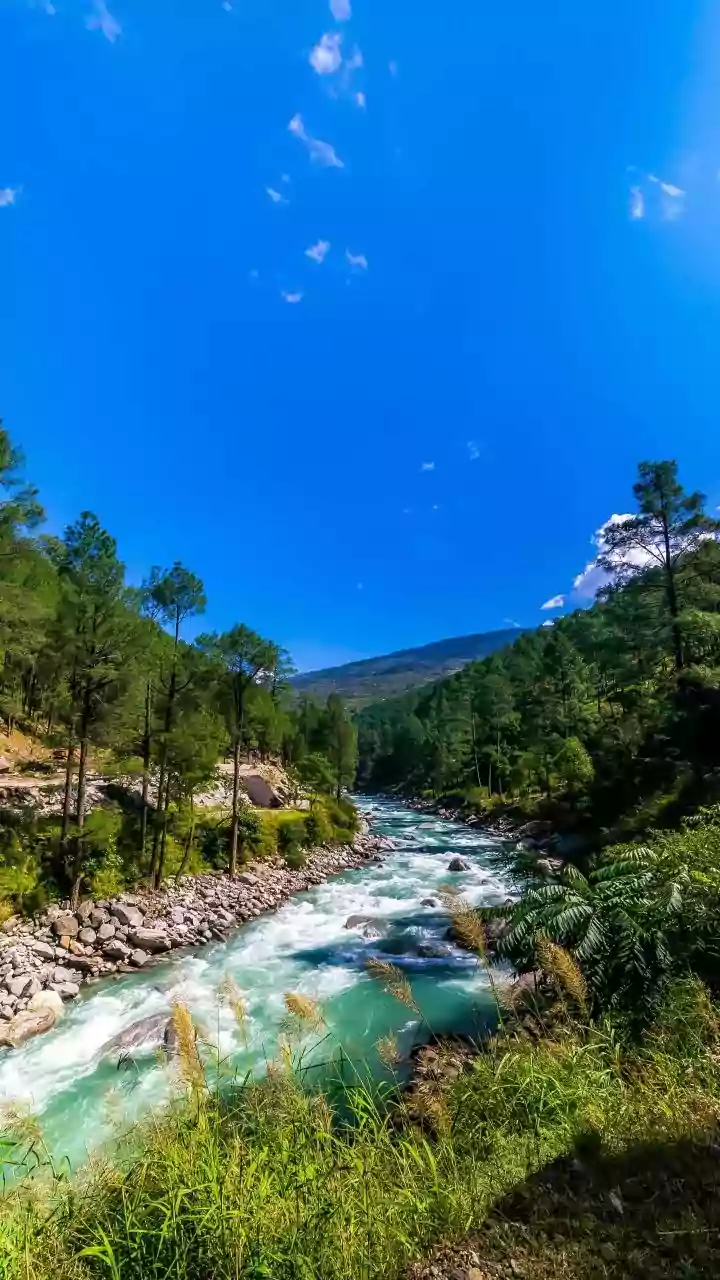
Wake up to the sound of birdsong, not traffic. Today is dedicated to immersing yourself in the region's rich natural heritage. After breakfast, embark on a guided walk through the dense oak and pine forests. Many homestays can arrange for a local guide who can point out native flora and fauna. This isn't a strenuous trek but an exercise in 'forest bathing'—walking silently and absorbing the sights, sounds, and scents of the woods. Depending on your base, you might walk through the Binsar Wildlife Sanctuary's buffer zone or the forests surrounding Jageshwar. In the afternoon, head to a viewpoint known for its Himalayan panoramas. Places like Chauli Ki Jali in Mukteshwar or viewpoints near Kausani offer spectacular vistas of snow-capped peaks like Trishul and Nanda Devi on a clear day. The evening is best spent stargazing, as the minimal light pollution in these villages reveals a breathtaking celestial display.
Day 3: An Immersion in Kumaoni Art
Dedicate your third day to exploring the cultural heart of Kumaon. The region is a treasure trove of traditional arts and crafts. A visit to Almora, often called Kumaon's cultural capital, is a great start. Here, you can explore lanes where artisans practice 'Likhai' (wood carving) and 'Tamta' metalwork. The main focus, however, is Aipan, a ritualistic folk art form native to Kumaon. Characterised by its intricate red and white patterns, Aipan decorates floors and walls during festivals and ceremonies. Arrange to visit a community-run workshop, perhaps near Kasar Devi or in Almora itself, where local women teach the art form. Participating in a workshop allows you to learn the meaning behind the sacred motifs and try your hand at creating your own design using traditional materials like rice paste. This hands-on experience provides a deeper connection to the local heritage and supports the artisans who are keeping this GI-tagged tradition alive.
Day 4: Culinary Traditions and a Gentle Farewell
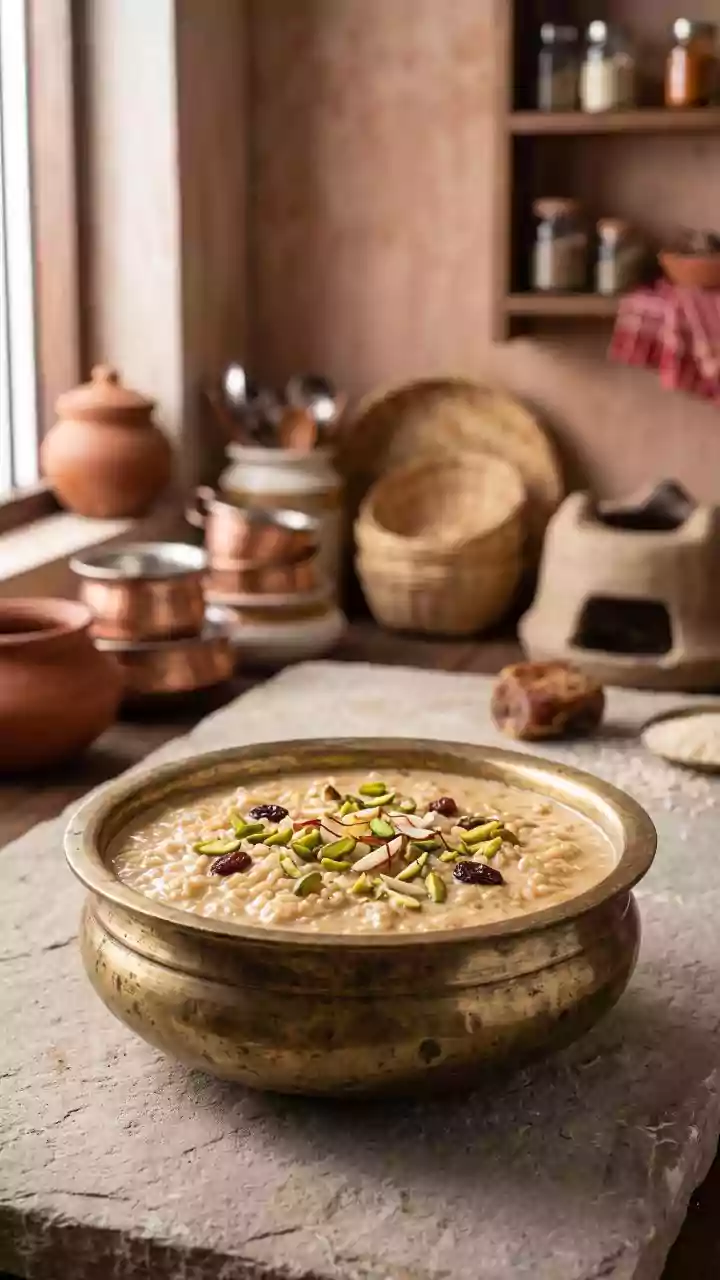
Your final day is about savouring the flavours of the region. Many homestays offer informal cooking lessons where you can learn to prepare a traditional Kumaoni dish like 'bhatt ki churkani' or 'madua ki roti'. This is a chance to understand the local ingredients and culinary techniques passed down through generations. After a leisurely breakfast, you might have time to visit a local market to buy organic produce or handcrafted souvenirs, such as Ringaal bamboo products or woven woollens. Unlike generic tourist shops, these items carry the story of their makers and the mountains. The slow journey back to Kathgodam is a time for reflection, carrying with you not just souvenirs, but the quiet, grounding experience of having truly connected with a place and its people. This approach to travel leaves a minimal environmental footprint while ensuring the economic benefits reach the local communities directly.