




The Allure of the Slow Journey
Why the sudden shift? It’s a blend of a few things. Firstly, the rise of ‘slow travel’ as a concept rejects the idea of frantic, checklist-based tourism. [18] Young travellers are seeking more authentic and immersive experiences, wanting to connect with
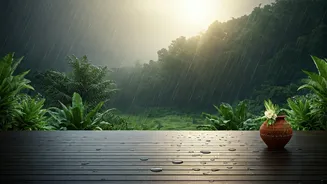
a place rather than just seeing it. [15] Secondly, these journeys are incredibly picturesque and shareable on social media, with platforms like Instagram fuelling the desire for aesthetic travel. The monsoon transforms the Indian landscape into a lush, green paradise, making for dramatic visuals. [14] Finally, it’s a budget-friendly way to explore, offering a richer experience that doesn't break the bank. It's a move towards travel that is both sustainable and personally fulfilling. [18]
Konkan Railway: Mumbai to Goa
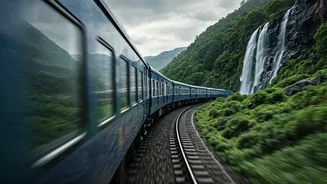
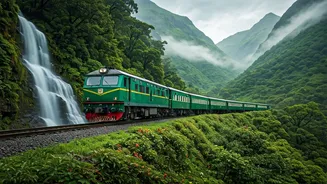
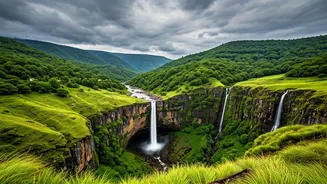
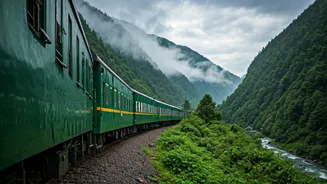
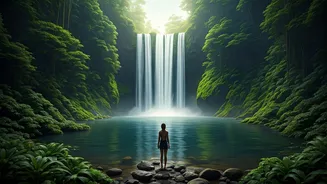
Often called the superstar of monsoon train journeys, the Konkan Railway route is a marvel of engineering that becomes a paradise in the rains. [14, 5] Connecting Mumbai to Goa along the western coast, the train navigates over 2,000 bridges and through more than 90 tunnels. [14] During the monsoon, the journey is punctuated by countless waterfalls cascading down the cliffs of the Western Ghats, some so close you can feel the spray. [9] The landscape is a vibrant canvas of overflowing rivers and intensely green fields. [24] For the ultimate experience, booking a seat in a Vistadome coach offers panoramic views through its large windows and glass roof, making it feel like a cinematic experience. [14]
Kalka to Shimla: The Himalayan Queen
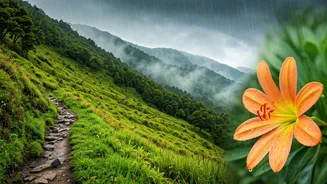
A journey on the Kalka-Shimla Railway is like travelling back in time. This UNESCO World Heritage Site, affectionately known as the ‘toy train’, winds its way through the misty Shivalik hills. [8, 10] The narrow-gauge train chugs slowly across more than 800 bridges and through over 100 tunnels, offering breathtaking views of pine forests and deep valleys shrouded in mist. [8, 9] The colonial-era stations dotted along the route add to its old-world charm. While the journey is beautiful year-round, the monsoon adds a layer of magic, with the rain washing the landscape clean and leaving behind a fresh, earthy scent and dramatically cloudy skies. [9] It's less about reaching Shimla quickly and more about savouring the nostalgic, slow-paced climb. [14]
Nilgiri Mountain Railway: Mettupalayam to Ooty
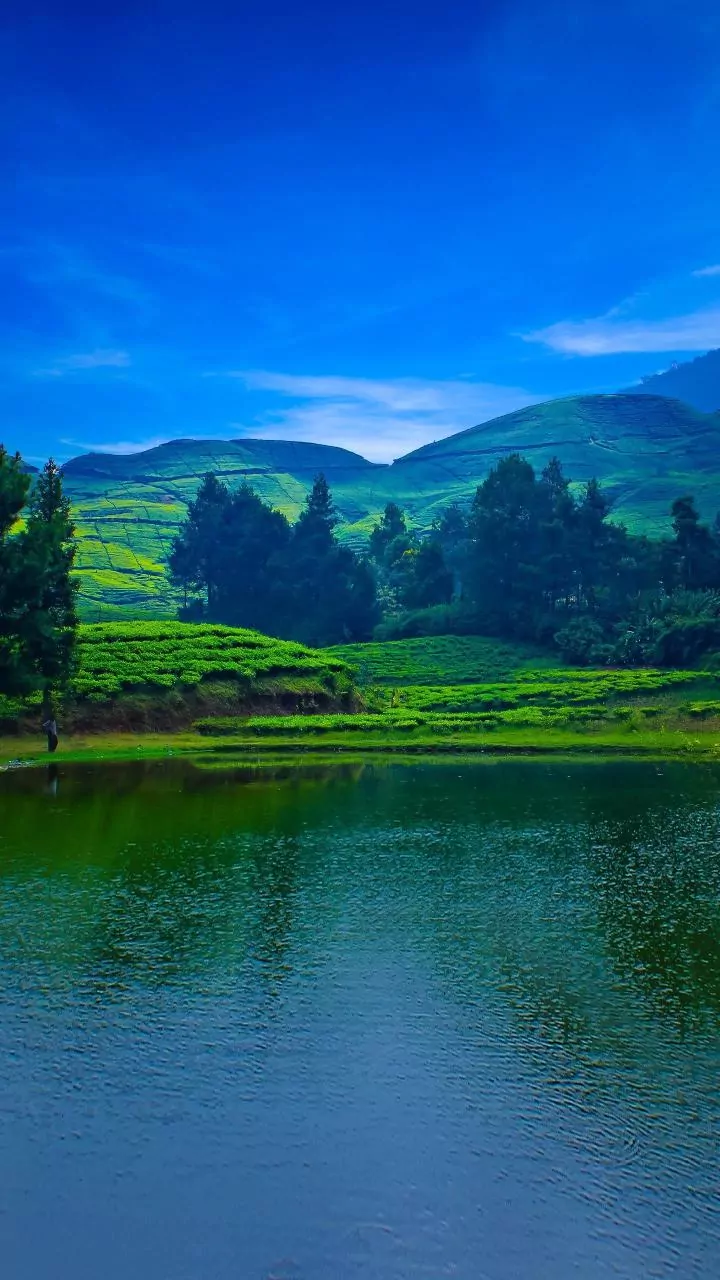
Another UNESCO World Heritage site, this is the only rack railway in India, tackling the steepest track in Asia. [8, 19] The journey from Mettupalayam to the hill station of Ooty is a climb into the clouds. During the monsoon, the Nilgiri hills, or 'Blue Mountains', are at their greenest, with mist hanging over sprawling tea plantations. [9, 11] The vintage steam locomotive, which operates on a portion of the route, puffs its way through dark tunnels and over historic bridges, offering views of dense Shola forests and rain-fed waterfalls. [14] The cool, tea-scented air and the rhythmic chug of the train make it an unforgettable sensory experience. [11, 14]
Darjeeling Himalayan Railway: New Jalpaiguri to Darjeeling
The third of India's mountain railway UNESCO sites, the Darjeeling 'toy train' offers a delightful journey through the Eastern Himalayas. [5, 6] As the train ascends from the plains, it passes through vibrant tea gardens that look especially lush in the rain. [9] The route is famous for its engineering marvels like the Batasia Loop, a spiral track that offers a panoramic view of Darjeeling town with the Kanchenjunga peak in the background on clear days. [8] During the monsoon, however, the mountains are often wrapped in clouds, creating a mystical and moody atmosphere that makes the journey itself the main attraction. [9]