

A Taste of Southern Italy
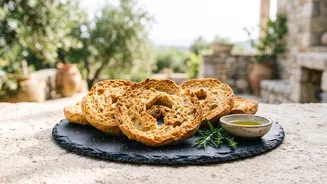
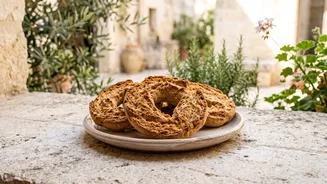
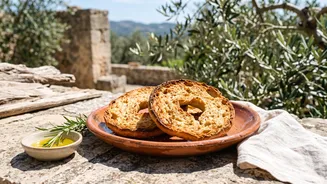
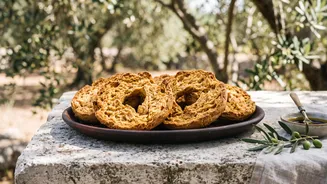
At first glance, a frisella might look like a rustic, hard bagel that has been cut in half. Hailing from the southern Italian regions of Puglia, Campania, and Calabria, friselle (the plural of frisella) are made from simple ingredients like durum wheat
or barley flour, water, yeast, and salt. What makes them unique is their preparation: the dough is first baked into a ring, then sliced horizontally and baked a second time. This double-baking process, known as 'biscottato', removes almost all moisture, resulting in an incredibly hard, crisp bread with a rough, porous side and a smooth, hard side. This method gives friselle an exceptionally long shelf life, making them a pantry staple that can last for months if stored in a dry, airtight container.
A History Baked by Sun and Sea
The origins of friselle are steeped in practicality and tradition. Their history can be traced back centuries, serving as a vital food source for those who undertook long journeys. Nicknamed the 'bread of the Crusaders', these durable rings were perfect for soldiers and pilgrims. They were especially crucial for fishermen and sailors in Puglia, who needed sustenance that would not spoil during long periods at sea. The ring shape was a clever design feature, allowing sailors to thread them onto ropes for easy storage and transport. Before eating, sailors would often dip the hard bread into clean seawater to soften it, a practice that speaks to its maritime heritage.
The Ritual of 'Sponzatura'
You do not simply bite into a dry frisella—at least, not if you value your teeth. The essential step before eating is the 'sponzatura', or the act of soaking. This is a delicate art; the goal is to soften the bread just enough to make it edible without turning it into a soggy mess. A quick dip in a bowl of cold water for a few seconds is typically all that is needed. The porous texture of the frisella quickly absorbs the liquid, softening the exterior while leaving a satisfying bite in the centre. Some prefer to just run it under a tap or let the juices from fresh toppings do the work, which is another popular method.
How to Top Your Friselle
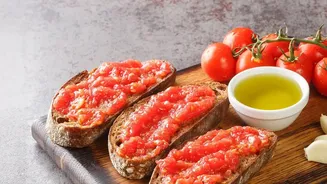
Once softened, the frisella becomes a perfect canvas for a variety of fresh ingredients. The most classic and iconic topping is a simple celebration of summer flavours: ripe, chopped cherry tomatoes, fragrant oregano or fresh basil, a pinch of salt, and a generous drizzle of high-quality extra virgin olive oil. The juices from the tomato mingle with the olive oil and seep into the bread, creating a dish that is both rustic and incredibly flavourful. For an extra layer of flavour, some people rub a clove of garlic on the rough surface of the frisella before adding the other ingredients. It’s a simple combination that captures the essence of Mediterranean cooking.
Modern Twists on a Timeless Classic
While the classic tomato and olive oil preparation remains a favourite, the versatility of friselle invites endless creativity. They can serve as a base for something akin to an Italian avocado toast, or be topped with creamy burrata or fresh mozzarella. Other popular additions include tuna, capers, olives, and anchovies. In Calabria, you might find them served with sweet Tropea onions and a hint of chilli. Some even experiment with sweet toppings like honey and nuts or spreads like Nutella for a different kind of treat. From simple appetisers to a light lunch, the humble frisella can be adapted to suit any palate.