


The Trend: From Aesthetics to Analytics
For years, the decision to bring a plant home was purely cosmetic. An empty corner called for a large, dramatic plant; a pretty pot on Instagram inspired an instant purchase. But this approach often leads to disappointment. Urban homes and apartments
across India, with their varied layouts and proximity to other buildings, don't always offer the bright, consistent sunlight many trendy plants require. A shift is underway, driven by a desire for sustainable, successful gardening. Home gardeners are now becoming amateur light analysts, realising that the secret to a lush indoor jungle lies not in wishful thinking, but in a simple principle: right plant, right place. This means understanding your home's unique light conditions before you even think about visiting a nursery.
How to 'Read' Your Apartment's Light
Before you can choose the right plant, you need to become an expert on your own space. Forget complex tools; a simple observation exercise is all you need. Pay attention to your windows and balconies. Which direction do they face? A south-facing window will get strong, direct light, while a north-facing one will offer much dimmer, indirect light. A simple hand test works wonders: at the brightest time of day, hold your hand up in the spot you want to place a plant. A crisp, well-defined shadow means 'bright, direct light'. A softer, fuzzier shadow indicates 'bright, indirect light'. If the shadow is faint and barely visible, you have 'low light'. Most Indian apartments have a mix of these conditions, from a sun-scorched balcony to a dim interior hallway.
Perfect Picks for Low-Light Corners
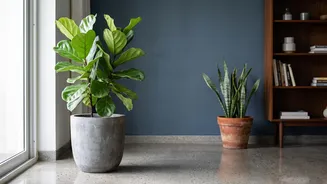
Many apartments have areas that are far from windows or have their light blocked by other buildings. These are low-light zones, but they don't have to be plant-free. The key is to choose plants that are naturally adapted to shady undergrowth. The Snake Plant (Sansevieria) is a champion of low light, known for being virtually indestructible and an excellent air purifier. Similarly, the ZZ Plant (Zamioculcas zamiifolia) is incredibly forgiving, tolerating infrequent watering and very dim conditions with its glossy, dark leaves. The humble Pothos, or Money Plant, is another classic that thrives in low light, its trailing vines perfect for shelves and hanging baskets.
Thriving in Bright, Indirect Sunlight
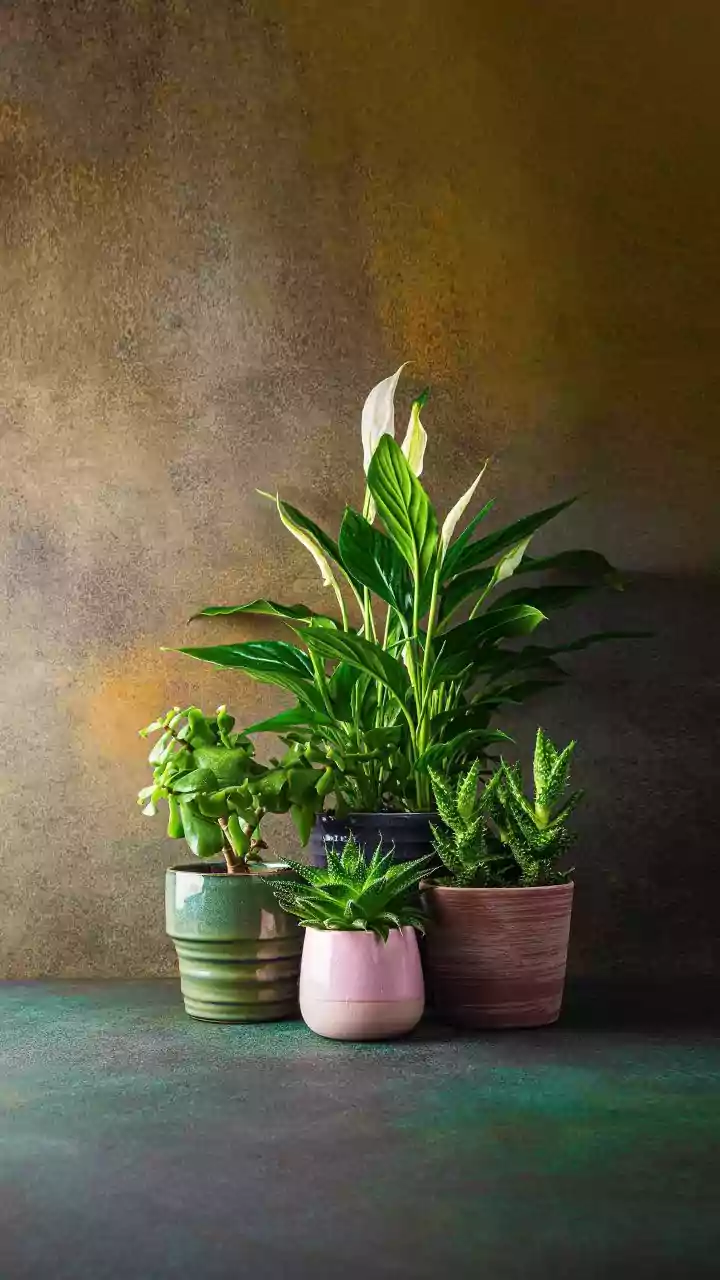
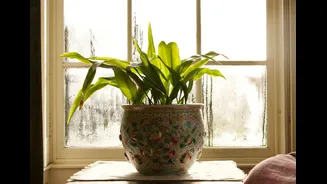
The most common condition in many homes is bright, indirect light. This is the light found a few feet away from a sunny window or in a room with a window that doesn't get direct sunbeams. This is the sweet spot for a huge variety of popular houseplants. The Peace Lily (Spathiphyllum) is an elegant choice, known for its ability to produce white flowers even in moderate light and for its helpful habit of drooping when it needs water. Philodendrons, with their heart-shaped leaves, are highly adaptable and do beautifully in these conditions. For a bolder statement, the Areca Palm brings a tropical feel and enjoys the humidity of the Indian climate, adapting well to medium, filtered light.
For Those Lucky, Sunny Spots
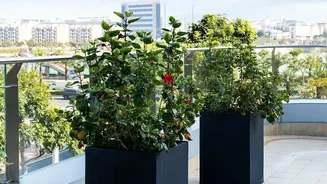
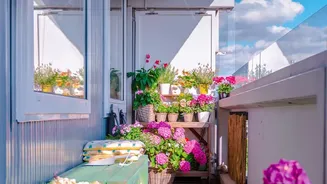
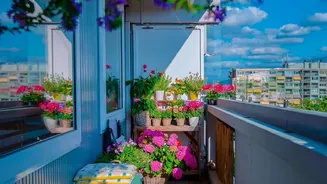
If you have a balcony or a south-facing window that gets four or more hours of direct sun, you can grow a different category of plants altogether. These spots are perfect for sun-worshippers that reward you with vibrant colours and flowers. Bougainvillea is a classic choice for sunny Indian balconies, known for its heat tolerance and brilliant, paper-like blooms. Many succulents, such as Jade and Aloe Vera, thrive on neglect and direct heat, making them well-suited for Indian summers. Flowering plants like Hibiscus also perform best in bright, sunny environments, bringing a strong visual impact to your outdoor space.