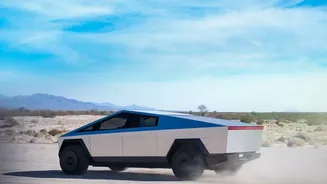

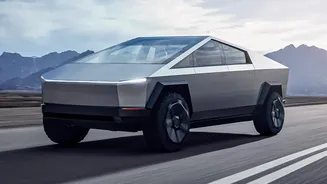
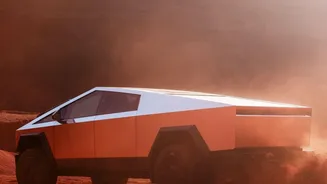
Tesla is making a significant strategic pivot at its Texas Gigafactory. The company announced it will wind down production of its polarizing Cybertruck to free up manufacturing capacity for its ambitious new goal: the mass production of the Cybercab.
The End of a Steel Era
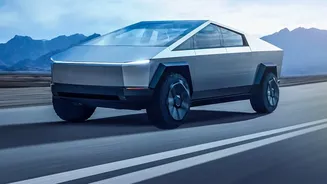
In a move that signals a dramatic shift in priorities, Tesla CEO Elon Musk confirmed that production of the stainless-steel Cybertruck will be scaled back at its Austin, Texas facility starting around mid-2027. First unveiled in 2019, the Cybertruck's journey has been a rocky one, marked by production delays, quality control issues, and sales figures that never met the company's lofty initial projections. While Musk once envisioned selling 250,000 units annually, actual sales have been a fraction of that, with one estimate showing a nearly 48% drop in U.S. sales in 2025 compared to the previous year. This decision to ramp down the pickup is less about its failure and more about what Tesla sees as its next frontier.
Enter the Cybercab
The vehicle taking its place at the heart of Giga Texas is the Cybercab, a purpose-built, two-seater autonomous robotaxi. Unveiled in 2024, the Cybercab is designed from the ground up for a driverless future, completely omitting a steering wheel and pedals. This isn't just another electric car; it's the physical manifestation of Tesla's long-held ambition to operate a massive ride-hailing network. A small fleet of these futuristic vehicles already began offering paid rides in a limited area of Austin in September 2026, marking the first real-world test of the service. The plan is to expand this service to other cities, like Dallas, as the company builds regulatory confidence and manufacturing might.
A Calculated Pivot to Autonomy
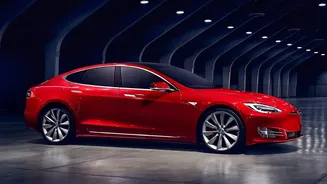
Linking the Texas factory's future directly to the Cybercab is a clear declaration of Tesla's strategic direction. The company is transitioning its focus from selling consumer vehicles to creating a recurring revenue stream through autonomous transportation services. By prioritizing a vehicle that most people will never own, Tesla is betting that the future of mobility lies in summoning a ride, not buying a car. This model promises a lower cost-per-mile than traditional ride-hailing services like Uber and Lyft, potentially disrupting the entire transportation sector. The decision also reflects a broader trend within the company, which earlier in the year ceased production of its flagship Model S and Model X vehicles to focus on AI and robotics, including the Optimus humanoid robot.
Manufacturing Ambitions and Hurdles
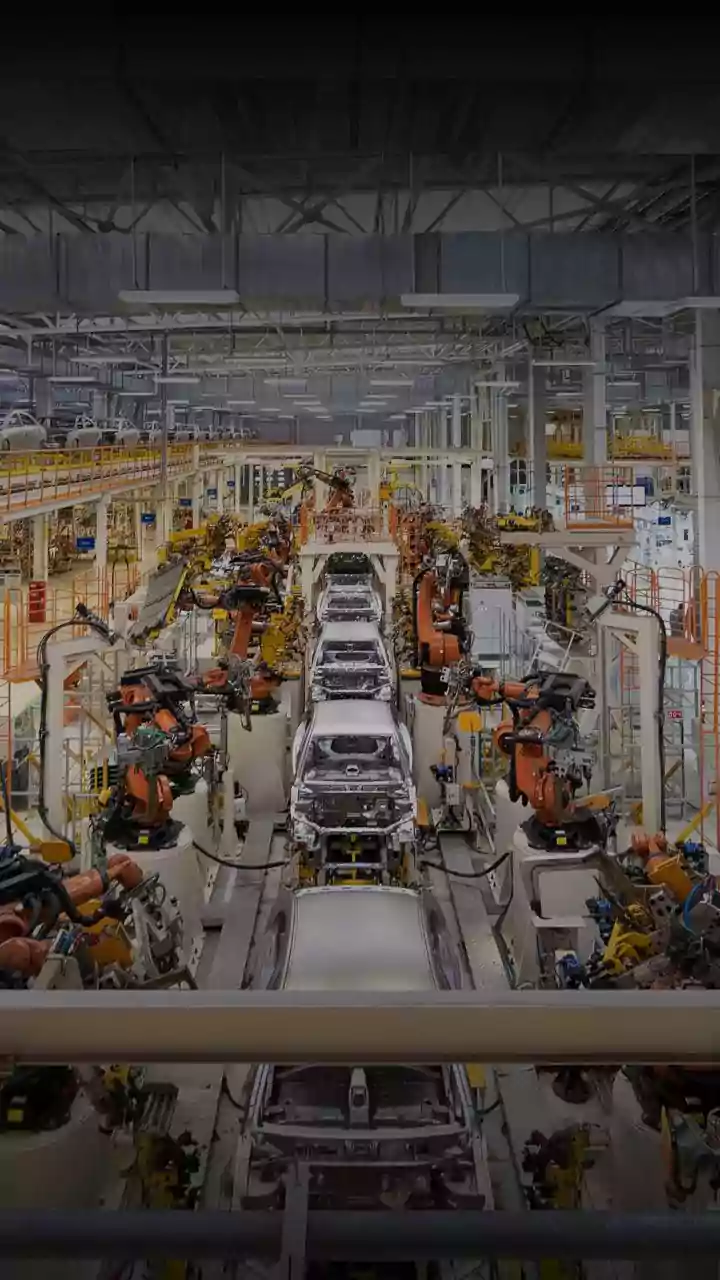
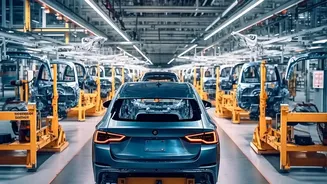
Reallocating factory space is just the first step in a monumental challenge. Tesla aims for an unprecedented level of production, with some reports suggesting a target of producing one Cybercab every five seconds at full capacity—a rate that would dwarf even its most efficient Model Y lines. However, this ramp up faces significant obstacles. The company has already faced battery pack constraints that have limited production in the past. Furthermore, the entire robotaxi concept hinges on navigating a complex and evolving web of regulatory approvals. The National Highway Traffic Safety Administration (NHTSA) has already opened an audit into the Cybercab's safety self certification, a process that will be scrutinized heavily as the fleet expands.