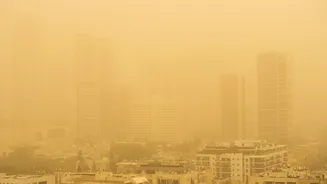






The instinct to open a window for 'fresh air' is universal. But as pollution becomes a seasonal reality across India, that simple act could be letting a cocktail of harmful pollutants into your home, making your indoor air worse than what's outside.
The Myth of the Safe Indoors
Many
assume that once doors and windows are closed, they are protected from outdoor pollution. This is only partially true. While a sealed home offers a barrier, it's not impenetrable. Pollutants like PM2.5—tiny, harmful particles from vehicle exhaust, industrial emissions, and smoke—can easily infiltrate through cracks in walls, gaps around windows, and ventilation systems. In fact, studies show that indoor levels of some pollutants can be two to five times higher than outdoors, especially when combined with indoor sources like cooking fumes, cleaning products, and dust. The idea that your home is an automatic safe haven is a dangerous misconception; indoor air is simply outdoor air that has been trapped and potentially mixed with additional domestic pollutants.
Your Most Important Tool: The AQI
The Air Quality Index, or AQI, is a simple number that tells you how polluted the air is. In India, this scale, managed by the Central Pollution Control Board (CPCB), runs from 0 to 500 and is divided into six categories. An AQI of 0-50 is 'Good', while 51-100 is 'Satisfactory'. The trouble starts when the number climbs. An AQI of 201-300 is 'Poor', causing breathing discomfort to most people on prolonged exposure. 'Very Poor' (301-400) can lead to respiratory illness, and 'Severe' (401-500) affects even healthy people and seriously impacts those with existing conditions. Before you even think of opening a window, checking the local AQI should be a non-negotiable first step.
The Golden Rule: When to Open and When to Seal
The guideline is straightforward. If the outdoor AQI is above 100-150, keep your windows firmly shut. Opening them, even for a few minutes, will invite a surge of harmful particles like PM2.5 and ozone inside, making your indoor environment more dangerous. This is especially critical for households with children, the elderly, or individuals with heart and lung conditions. When the AQI is in the 'Good' (0-50) or 'Satisfactory' (51-100) range, it is generally safe to ventilate your home. Strategic ventilation during these cleaner periods—often early in the morning or after rainfall—is vital to flush out indoor pollutants that build up over time.
Managing Air Quality When Windows Stay Shut
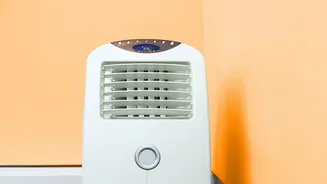
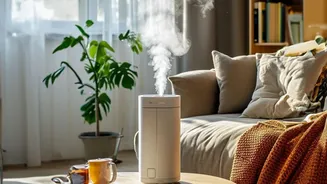
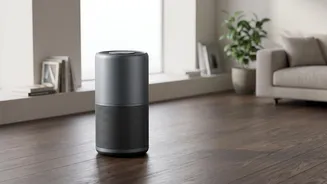
On high_AQI days, you are not helpless. Your primary goal is to clean the air already inside your home. An air purifier with a HEPA filter is highly effective at capturing fine particles. If you have a central HVAC system, consider upgrading to a high_rated filter (MERV 13 or higher) and run the fan continuously (in the 'On' position, not 'Auto') to constantly circulate and clean the air. Also, focus on minimising indoor pollution sources : use exhaust fans while cooking and showering, avoid burning candles or incense, and vacuum regularly with a HEPA_filter vacuum to trap dust and allergens. Placing doormats at every entrance and adopting a strict 'no shoes inside' policy can also dramatically reduce the amount of pollutants tracked into the home.
The Risk of a Perfectly Sealed Home
While sealing your home is crucial during pollution spikes, keeping it locked down for days on end creates another problem : the buildup of indoor_generated pollutants. Every breath you exhale releases carbon dioxide (CO2). Cooking , cleaning , and even furniture can release Volatile Organic Compounds (VOCs). Without any fresh air exchange , concentrations of these can rise to levels that cause headaches , fatigue , and difficulty concentrating. This is why timed , strategic ventilation is so important . Monitor the AQI and seize those brief windows when the air is cleaner to flush your home with fresh air for 15–20 minutes before sealing it again . This balances the need for protection from outdoor pollution with the need to expel stale indoor air.