




The Monsoon's Unpredictable Nature
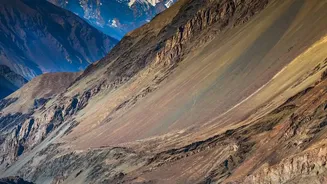
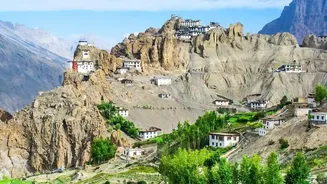
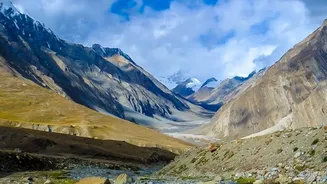
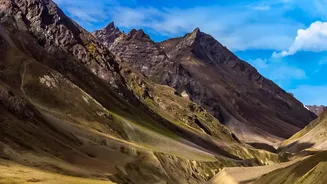
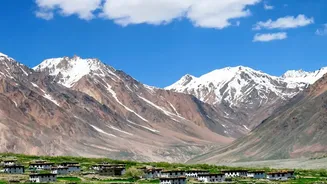
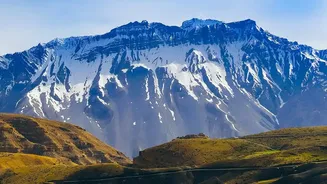
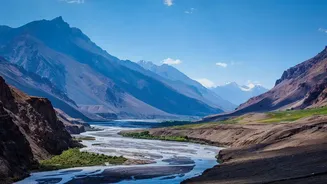
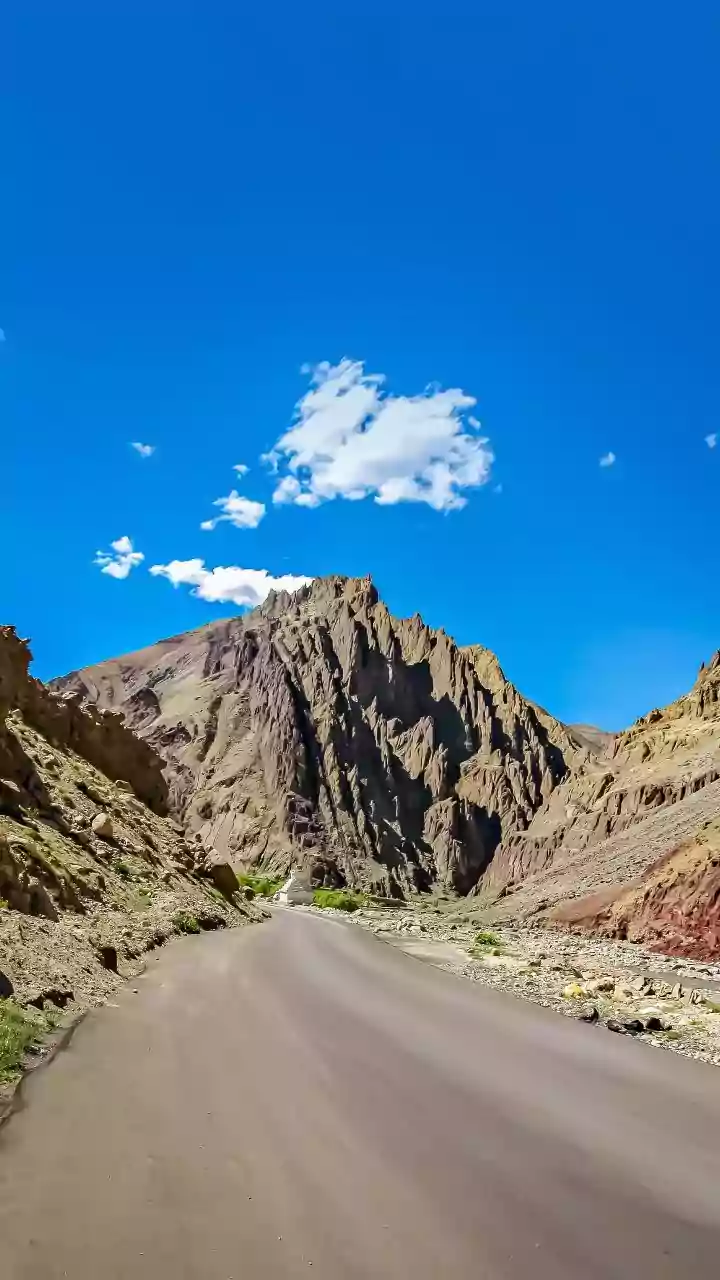
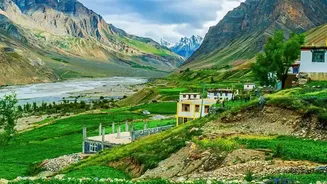
Spiti Valley itself is a rain-shadow region, meaning it receives significantly less rainfall than the rest of Himachal Pradesh. The real challenge lies in getting there. The approach roads, whether from Shimla or Manali, pass through areas that are highly
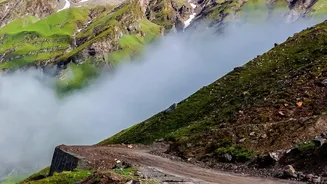
susceptible to the monsoon's fury. Heavy rains can trigger landslides, flash floods, and sudden road blockages, turning a dream trip into a logistical nightmare. The India Meteorological Department (IMD) has issued warnings for heavy rainfall and gusty winds in the region, advising travelers to stay updated and exercise caution. Recent advisories from the Lahaul & Spiti district police have highlighted light snowfall in high-altitude areas like Chandratal, making roads slippery and travel hazardous.
Mandatory Online Registration for Vehicles
A key rule for all travelers in 2026 is the mandatory registration of vehicles on the government's e-Aagman portal. This is a compulsory step for all private vehicles entering the Lahaul and Spiti district. The registration is free but essential. It functions as an entry pass for your vehicle, and you will be required to show the generated QR code at checkposts. It is crucial to complete this process before you start your journey, as mobile connectivity is unreliable on the way. This rule applies whether you are taking the Atal Tunnel route or traveling towards Chandratal.
Which Route Is Safer: Shimla vs. Manali?
For a monsoon trip, the overwhelming consensus favors the route from Shimla via Kinnaur. This road, while longer, offers a more gradual ascent, which helps significantly with acclimatization to the high altitude. Though it is also prone to landslides in certain stretches like Malling Nalla and the areas around Wangtu, it is generally considered the more reliable option during the rainy season. The Manali-Kaza highway, while open, presents greater challenges. The stretch from Gramphu to Batal is particularly notorious for its rough terrain and numerous water crossings (nallahs) that can swell to dangerous levels by the afternoon due to rain and melting snow. Experienced riders and drivers advise crossing these sections early in the morning to avoid getting stranded.
Permits: What Indian and Foreign Tourists Need
The rules for permits can be a major point of confusion. For Indian citizens, the good news is that no Inner Line Permit (ILP) or special permit is needed for most parts of Spiti Valley. You only need to carry a valid government-issued photo ID for registration at various police checkposts. Foreign nationals, however, must obtain a Protected Area Permit (PAP) to enter the restricted areas of Spiti, which includes much of the main valley, due to its proximity to the international border. This permit can be obtained from the Sub-Divisional Magistrate (SDM) offices in Shimla, Reckong Peo, or Kaza, and it is best to get it sorted at Reckong Peo before entering the protected zone.
Essential Safety Checks and Buffer Days
Given the unpredictable weather, flexibility is your greatest asset. It is highly recommended to build at least two to three buffer days into your itinerary. This allows you to wait out a road closure without derailing your entire trip. Before starting each day's journey, check the latest road status from official sources like the Lahaul & Spiti District Administration's social media pages. Avoid driving after dark at all costs. Pack for a wide range of temperatures, including warm layers for cold nights and waterproof gear for sudden showers. For vehicles, a 4x4 is highly recommended, especially for the Manali-Kaza road, and ensure you have a full tank of fuel and necessary spares, as facilities are few and far between.