




The Case for Comfort: Hot Desserts
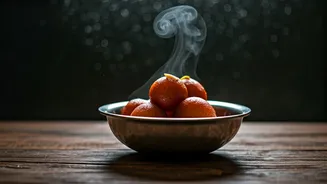
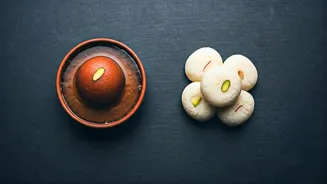
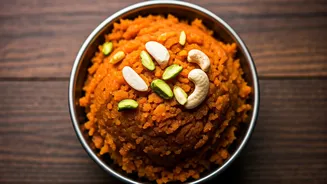
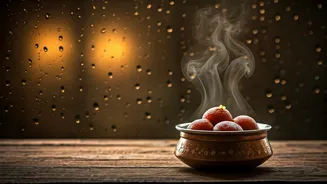
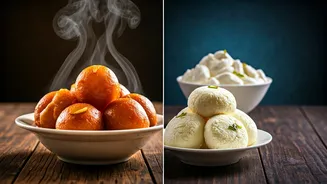
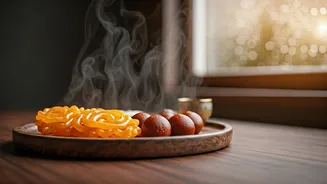
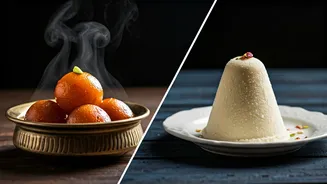
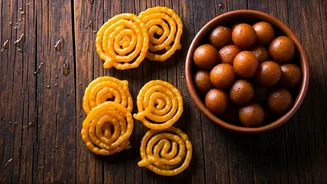
There's an undeniable magic to a hot dessert. Think of a rich, syrupy Gulab Jamun, so soft it melts in your mouth, or a generous serving of Gajar ka Halwa, its warmth radiating comfort on a cool evening. [6, 18] These aren't just sweets; they're experiences.
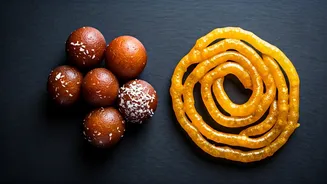
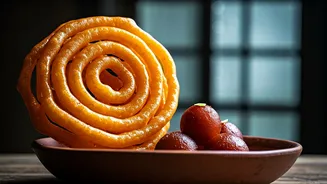
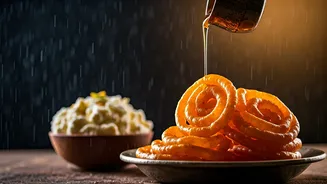
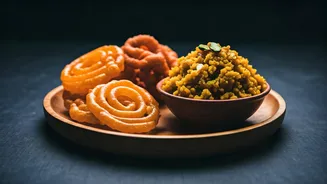
Hot desserts often evoke a sense of nostalgia and emotional security. [4] In the winter, our bodies naturally crave energy-dense foods to maintain body temperature, which is why a warm, sweet dish can feel so deeply satisfying. [8, 17] The heat enhances the aroma of ingredients like cardamom and saffron, creating a multi-sensory experience. [23] Desserts like Moong Dal ka Halwa and Jalebi, served fresh and hot, are classic examples of how temperature can transform simple ingredients into something truly special. [18, 25]
The Allure of Refreshment: Chilled Sweets
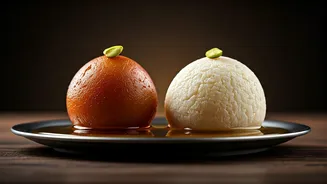
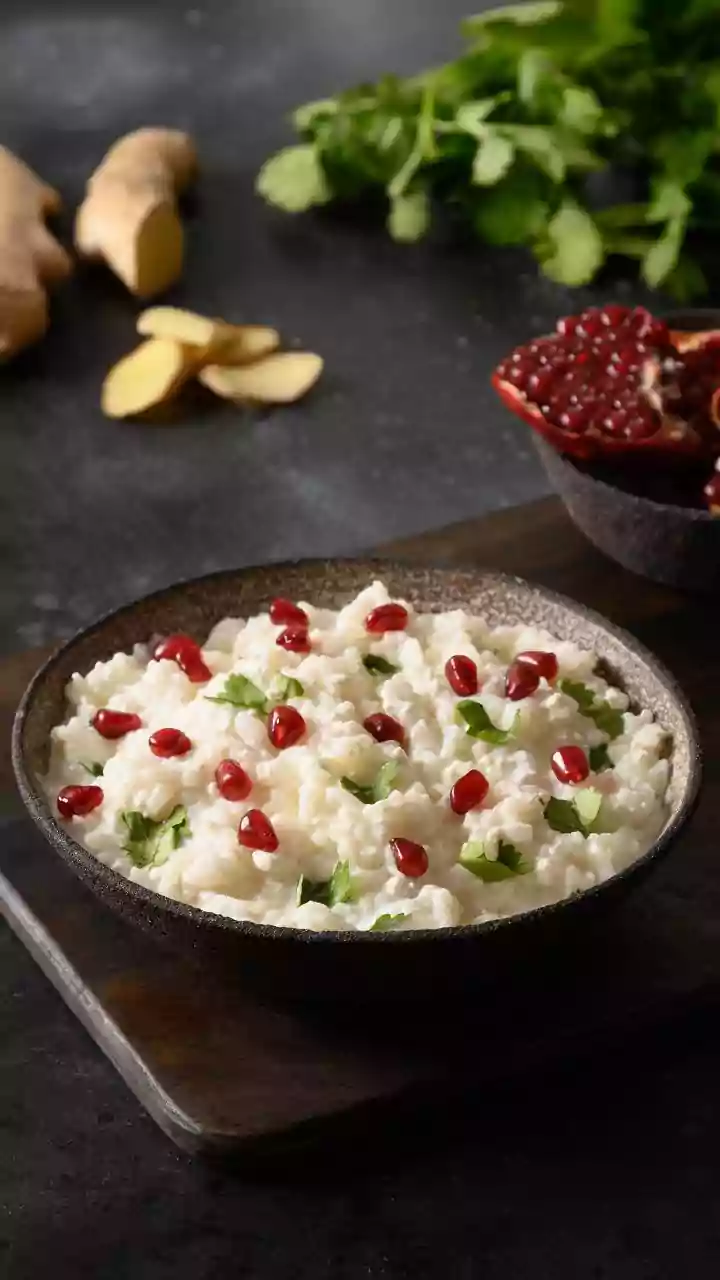
On the other side of the battle stands the chilled dessert, a beacon of refreshment on a sweltering day. From the creamy density of Kulfi to the delicate, spongy texture of a chilled Rasgulla, cold sweets offer a different kind of pleasure. [14, 27] Our bodies are hardwired to seek ways to cool down, and a cold, sweet treat is a delicious solution. [2] The brain associates coldness with ultimate refreshment, a signal that is especially powerful in India's hot climate. [2, 23] Desserts like Kheer, Phirni, and Shrikhand can be served either warm or cold, but often find their ultimate expression when chilled, allowing their creamy textures and subtle flavours to shine. [13, 14, 23] Falooda, a layered dessert of ice cream, vermicelli, and rose syrup, is another prime example of a cold dessert designed to beat the heat. [20]
The Science of Sensation
Our preference for hot or cold is not just a matter of mood; there's science at play. Warm foods tend to release more aromas, which significantly contributes to our perception of flavour. [7] However, some studies suggest we might perceive cold foods as sweeter. [2] Physiologically, our cravings can also be seasonal. In colder months, reduced sunlight can lower serotonin levels, leading us to crave carbohydrate-rich sweets that can provide a mood boost. [4, 5] Conversely, during summer, our bodies work to stay cool through thermoregulation, and craving cold foods is part of this natural process. [2] Ultimately, the pleasure we derive from a dessert is a complex interplay of taste, temperature, memory, and biology. [16]
An Occasion for Every Temperature
In India, the choice between a hot or cold dessert is often dictated by tradition, season, and occasion. [27, 29] Festivals are a perfect example. Gajar ka Halwa is a winter classic, intrinsically linked to the season's fresh carrots. [6, 24] Warm sweets like Gulab Jamun and Jalebi are staples at celebrations and weddings, often symbolizing happiness and prosperity. [26, 30] Conversely, chilled desserts like Kulfi and various milk puddings are sought after during the hot summer months and festivals like Holi. [23, 28] Some desserts beautifully bridge the divide. Kheer, for example, is served warm as a comforting bowl in winter and chilled as a refreshing treat in summer, showcasing its versatility. [20, 31] This adaptability ensures that no matter the weather or celebration, there is always a perfect Indian sweet to mark the moment. [27, 31]