




A New Vision for Urban Wildlife
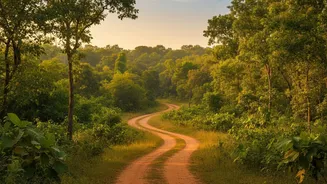
The Uttar Pradesh government's plan for Kukrail is nothing short of monumental. The project, recently cleared by the Supreme Court after years of scrutiny, aims to transform over 850 hectares of the Kukrail Reserve Forest into a world-class tourism destination.
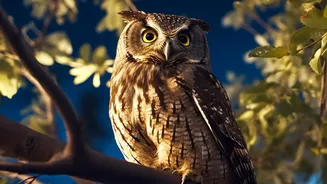
Inspired by Singapore's acclaimed Night Safari, the core idea is to allow visitors to observe nocturnal animals when they are most active, offering a unique window into their world. The estimated INR 1,500 crore project involves creating naturalistic habitats for a variety of species within the sprawling forest area on the outskirts of Lucknow. This initiative is part of a broader strategy to boost Uttar Pradesh's tourism portfolio beyond its well-known heritage sites, creating new economic opportunities and local jobs. However, the plan originally included the relocation of the existing Lucknow Zoo, a proposal that has since been contested by a Supreme Court-appointed committee, suggesting the zoo should remain at its current location.
What Visitors Can Expect
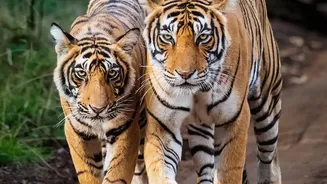
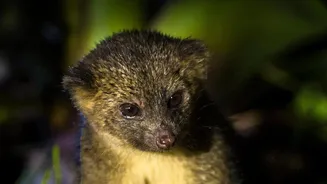
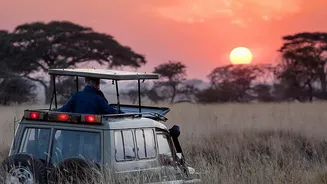
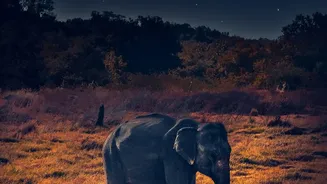
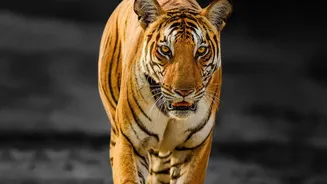
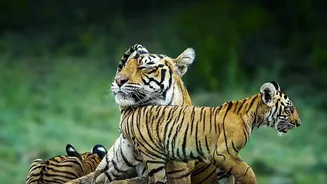
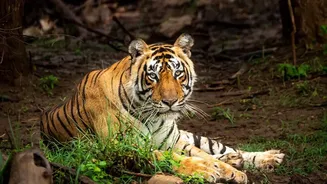
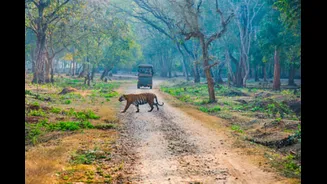
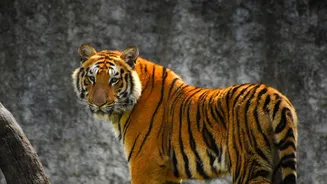
The experience promises to be immersive and thoughtfully designed. Visitors will journey through the park on silent electric trams during a 40-minute guided tour. A key feature is the specialised lighting system, engineered to mimic natural moonlight, allowing for clear observation without disturbing the animals' natural behaviours. The safari will be divided into thematic zones, featuring large, open enclosures for animals like Asiatic lions, Bengal tigers, leopards, and bears. In total, the night safari is expected to house over 50 species in more than 40 modern enclosures. Beyond the safari itself, the master plan includes walking trails, an interpretation centre to educate visitors about wildlife, a 7D theatre, and other recreational facilities designed to handle thousands of visitors daily.
The Conservation Conundrum
At the heart of the project lies a delicate balancing act. Officials maintain that wildlife conservation is a primary goal, not just an afterthought. The Kukrail forest is already home to India's first and most successful gharial rehabilitation centre, which has been instrumental in conserving the critically endangered species for decades. Proponents argue the new facility will serve as a centre for conservation breeding and research, particularly for nocturnal animals. The government has also committed to significant afforestation and developing green cover across a large portion of the project area. The Supreme Court's approval came with strict environmental conditions, including a rule for compensatory tree plantation, to mitigate the project's impact.
An Ongoing Debate
Despite these assurances, the project has faced pushback from environmentalists and citizen groups. Critics express concern over the potential impact of construction, artificial lighting, and increased human activity on Kukrail's existing ecosystem, which serves as a vital green lung for Lucknow. The forest is a habitat for numerous bird, reptile, and amphibian species, some of which are on the IUCN Red List of threatened species. Concerns have been raised that the push for an 'eco-tourism' destination could prioritise aesthetics and commerce over genuine ecological integrity. Activist groups have campaigned to 'Save Kukrail', arguing that large-scale construction could cause irreversible damage to the urban forest and its biodiversity. The debate highlights a larger, nationwide challenge: how to pursue development and tourism without sacrificing the natural habitats that make such projects appealing in the first place.