



The All-in-One Convenience Factor
The single biggest advantage of an IRCTC package is convenience. For a single, upfront price, nearly every aspect of your trip is handled for you. This includes return economy flights, hotel accommodation, daily meals (breakfast, lunch, and dinner), and all
sightseeing transfers in an air-conditioned coach. The package also covers Japan tourist visa charges and processing, which can be a significant hurdle for independent travellers. An English-speaking guide and an IRCTC tour manager are present throughout, which is invaluable for navigating a country where language can be a barrier. This is a huge stress-reducer, especially for first-time visitors or those travelling with family who prefer a structured, guided experience.
The DIY Approach: Freedom and Flexibility
Planning your own trip offers one thing a package cannot: complete freedom. You decide how long to stay in each city, which specific sights to see, and where to eat. Want to spend an entire afternoon exploring the quirky shops of Akihabara or dedicate a day to a niche museum? You can. A DIY trip allows you to dive deeper into local culture, perhaps by staying in a traditional 'ryokan' or exploring neighbourhoods off the beaten path. This approach suits seasoned travellers or those with specific interests who find fixed itineraries restrictive. However, this freedom comes at the cost of extensive planning, from booking flights and hotels to navigating Japan’s complex but efficient public transport system and handling the visa application yourself.
A Head-to-Head on Cost
At first glance, the IRCTC package price—starting around ₹3,45,999 per person—can seem steep. However, this is an all-inclusive cost. A DIY trip's final cost can be more unpredictable. While budget travellers estimate a 10-day trip could cost between ₹1,10,000 and ₹2,10,000, this often involves staying in hostels or capsule hotels and relying on convenience store meals. Mid-range independent travel can easily approach ₹2,00,000 to ₹2,50,000, and that’s before factoring in all meals, sightseeing entry fees, and potential hidden costs like luggage forwarding or pocket WiFi rentals. The IRCTC package uses four-star hotels and includes all meals and entry fees, making it a more direct comparison to a mid-range or premium independent trip, where costs could otherwise exceed ₹3,00,000.
The Itinerary: Curated vs. Customised
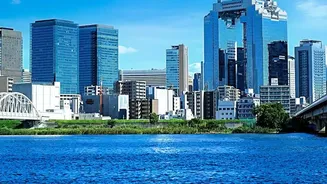
IRCTC’s “Jewels of Japan” or “Golden Route” itineraries are designed to be a comprehensive highlights tour, covering major cities like Tokyo, Kyoto, Osaka, and Hiroshima. The schedule is packed, featuring iconic sights like Mount Fuji, the Asakusa Temple, Nara Deer Park, and a ride on the Shinkansen bullet train. This ensures you see the 'greatest hits' efficiently without worrying about transport logistics. The downside is the lack of spontaneity. A DIY itinerary, on the other hand, is entirely your own. You can build your trip around specific interests, whether it's anime culture, landscape photography, or culinary exploration. You can travel at your own pace, lingering where you like and skipping what doesn't interest you—a level of personalisation a group tour cannot offer.
Who Is Each Option Best For?
The IRCTC package is ideal for first-time visitors to Japan, families with children or elderly members, and anyone who values a stress-free, predictable travel experience. If the idea of coordinating train schedules, hotel bookings, and visa paperwork in a foreign country sounds daunting, the package tour is an excellent choice. It provides a secure and structured way to see the country's main attractions. Conversely, planning a trip yourself is perfect for the independent-minded, budget-conscious traveller, or the return visitor who wants to explore Japan on their own terms. If you enjoy the process of research, love spontaneous detours, and want to immerse yourself in local life beyond the major tourist spots, a DIY trip will be far more rewarding.