


Ganguly’s 2003 World Cup Final Gamble
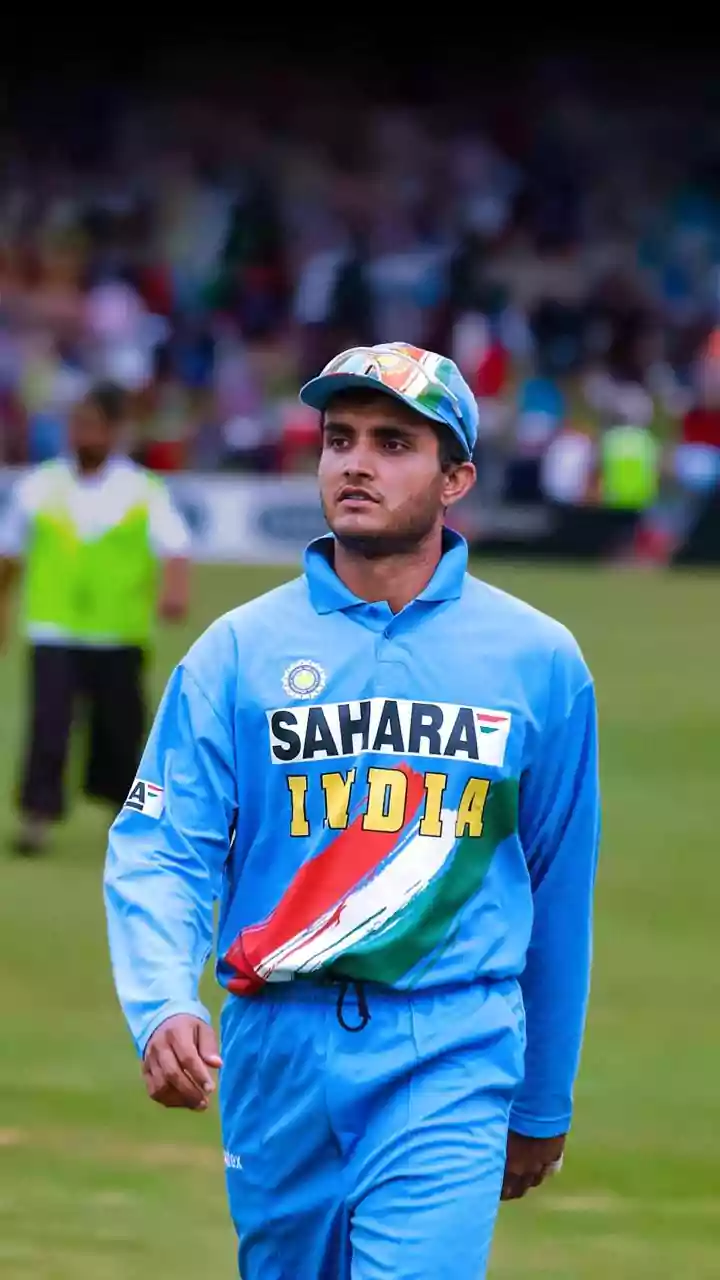
The stage was set: the 2003 World Cup Final in Johannesburg. India, led by the aggressive Sourav Ganguly, had enjoyed a fantastic run. After winning the toss against the formidable Australians, Ganguly made a decision that is debated to this day: he chose
to field first. The logic was to exploit any potential moisture in the pitch, but it backfired spectacularly. Australian openers Adam Gilchrist and Matthew Hayden came out firing, and captain Ricky Ponting played a blinder, scoring an unbeaten 140. Australia amassed a mammoth 359/2. The Indian chase crumbled under pressure, and they were all out for 234, losing by 125 runs. Many felt that in a high-pressure final, batting first and putting runs on the board was the proven formula. The decision to chase a huge total against the world's best team was seen as a strategic blunder that cost India the cup.
The Ganguly-Chappell Fallout
Sourav Ganguly was instrumental in bringing Greg Chappell in as India's coach in 2005. What followed was one of the most tumultuous periods in Indian cricket history. During a tour of Zimbabwe, Chappell suggested Ganguly step down from the captaincy to focus on his batting. This rift soon became public when an email from Chappell to the BCCI was leaked, in which he called Ganguly "mentally and physically unfit" to lead. The controversy led to Ganguly being sacked as captain and eventually dropped from the team altogether. Fans were furious, seeing it as a betrayal of a captain who had rebuilt the team and taught them to win abroad. While Rahul Dravid took over, the dressing room was palpably divided. The saga culminated in India's disastrous exit from the 2007 World Cup, after which Chappell's tenure ended. For many, Ganguly's backing of Chappell, which led to his own ousting and a period of instability, was an unforgivable error in judgment.
Dhoni's Senior Rotation Policy
During the 2012 CB Series in Australia, captain MS Dhoni implemented a controversial "rotation policy" for the three senior openers: Sachin Tendulkar, Virender Sehwag, and Gautam Gambhir. Dhoni stated that only two of the three would play in any given match, citing the need to blood younger players for the 2015 World Cup and the slower fielding of the seniors on Australia's large grounds. The move was met with immediate criticism from former players and created visible friction. Gautam Gambhir, who scored back-to-back nineties and was still rested, later called the policy "complete crap". The decision was particularly baffling because when India faced must-win scenarios later in the tournament, Dhoni abandoned the policy and played all three, suggesting a lack of conviction. India failed to qualify for the finals, and the messy, public handling of three of the country's greatest batsmen left a sour taste.
Kohli's ICC Trophy Drought & Selections
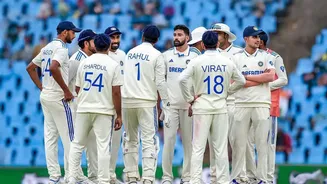
Virat Kohli's captaincy record in bilateral series is stellar, but his inability to win a major ICC trophy remains a huge point of contention for fans. Under his leadership, India reached the 2017 Champions Trophy final, the 2019 World Cup semi-final, and the 2021 World Test Championship final, but fell short each time. A recurring criticism was his team selections in crucial knockout games. Eyebrows were raised over confusing choices, like dropping in-form players or picking combinations that seemed ill-suited to the conditions. For instance, the decision to play two spinners in the World Test Championship final in overcast English conditions was heavily questioned. His tenure was also marked by a public falling out with coach Anil Kumble, who resigned stating his partnership with the captain was "untenable". While Kohli transformed the team's fitness and competitive spirit, the lack of silverware and questionable big-match calls are moments many fans find hard to look past.