

More Than Just a Morning Ritual
The familiar comfort of a morning 'chai' is deeply woven into the fabric of Indian life. Yet, as people become more health-conscious, this daily staple is being seen in a new light. The growing interest in functional beverages—drinks that offer health benefits
beyond basic hydration—has turned a spotlight on tea. Consumers are now looking more closely at what they eat and drink, seeking out products that support their overall well-being. This shift means that the simple cup of tea is no longer just a habit; it's a conscious choice, appreciated for its potential to improve health, from boosting immunity to supporting heart health.
The Science Inside Your Cup
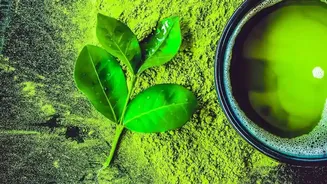
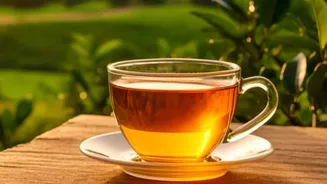
So, what makes tea so special? The answer lies in its rich composition of natural plant compounds. All 'true' teas—black, green, white, and oolong—come from the Camellia sinensis plant and are packed with polyphenols, particularly a type called flavonoids. These act as powerful antioxidants, which help protect our bodies' cells from damage caused by everyday stress and environmental factors. Green tea is especially rich in catechins, a potent type of flavonoid, while black tea contains theaflavins and thearubigins, which are formed during its oxidation process. These compounds are credited with many of tea's health benefits, including reducing inflammation and supporting a healthy heart.
The 'Calm Alertness' Effect
One of the most unique aspects of tea is its combination of caffeine and an amino acid called L-theanine. While caffeine provides a gentle energy boost, L-theanine is known for promoting a state of relaxation and calm focus without causing drowsiness. This synergy is why many people find that tea offers a smoother, more stable alertness compared to the sharp spike and subsequent crash sometimes associated with coffee. The pairing can enhance attention and cognitive performance, making a cup of tea an excellent companion for a productive workday or study session.
A Rainbow of Teas: Beyond the Usual
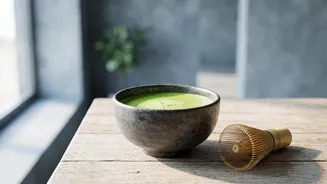
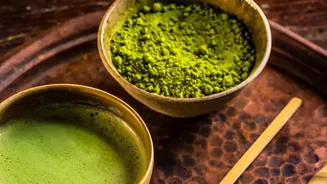
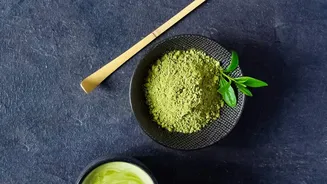
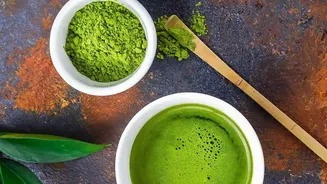
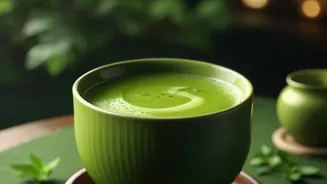
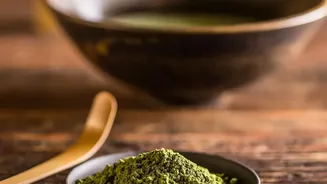
While black tea, often consumed as masala chai, is the most popular in India, there's a whole world of teas to explore, each with unique benefits. Green tea, which is unoxidized, is celebrated for its high antioxidant content and potential role in boosting metabolism. Oolong tea, which is partially oxidized, offers a middle ground in flavour and is also linked to heart health and mental alertness. White tea, made from the youngest leaves, is the most delicate and least processed, preserving a high concentration of beneficial compounds. Exploring these varieties can add new flavours and health advantages to your daily routine.
Herbal Infusions: Nature’s Remedies
It's also worth distinguishing 'true teas' from herbal teas, or tisanes. These infusions are made from a variety of other plants, herbs, flowers, and spices and are typically caffeine-free. They offer a wide range of specific wellness benefits. Chamomile is renowned for its calming properties and can aid in promoting sleep. Peppermint and ginger teas are excellent for soothing digestion and relieving nausea. Hibiscus tea is packed with vitamins and antioxidants, while Tulsi (Holy Basil) is a powerful adaptogen that helps the body manage stress. These herbal options are a wonderful way to hydrate and support your body throughout the day without any caffeine.
Making Your Cup Count
To get the most out of your daily tea, a few simple tips can make a big difference. First, be mindful of what you add. While a traditional masala chai is delicious, high amounts of sugar and full-fat milk can quickly offset the beverage's health benefits. Try reducing the sugar gradually or switching to natural sweeteners. Pay attention to brewing time and temperature, as this can affect both the flavour and the extraction of beneficial compounds. For instance, green tea is best brewed with water that's below boiling to avoid bitterness. Ultimately, consistency is key; studies suggest that regular consumption of two to three cups a day is associated with benefits like a reduced risk of heart disease and stroke.