





A Market Tilting Towards the Top
India's residential sector is experiencing a significant structural shift. Developers are increasingly focusing on premium and luxury projects, while the share of affordable housing in new launches is steadily declining. According to a report by CareEdge
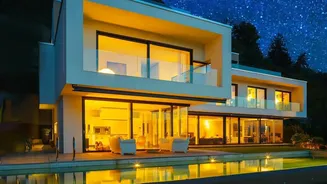
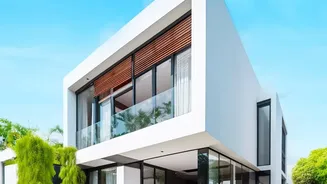
Ratings, homes priced below ₹1.5 crore, which made up 85% of new launches in the first quarter of 2022, fell to just 47% in the first quarter of 2026. In stark contrast, the segment for homes priced between ₹1.5 crore and ₹4 crore surged from 14% to 44% in the same period. Homes priced above ₹4 crore also saw their share of new launches jump from 1% to 9%, underscoring a clear pivot towards the high end of the market. This trend is resilient, with premium housing sales holding strong even when overall market sentiment is cautious.
The New Drivers of Demand
The demand for luxury living is no longer confined to traditional business families. Today's buyers are a diverse mix of first-generation entrepreneurs, startup founders with IPO wealth, C-suite executives, and non-resident Indians (NRIs). This new class of affluent buyers is less sensitive to inflation and rising property prices. Their preferences have also evolved significantly, especially after the pandemic. There is a strong desire for larger homes with more open space, better amenities, and features that support a holistic lifestyle, including wellness and privacy. This has led to the rise of branded residences and wellness-centric communities, where the definition of luxury is shifting from mere opulence to well-being, sustainability, and intentional living.
Why Developers Are Pivoting
For real estate developers, the shift to luxury is a calculated business decision. Higher-value homes offer better profit margins, which have become critical as the costs for land, construction, and compliance continue to rise. These escalating costs have squeezed the financial viability of affordable housing projects, where margins are often in the 10-12% range. In contrast, the luxury segment is supported by strong demand from buyers with deep pockets, making it a more profitable and resilient venture. As a result, many developers are reallocating their resources and focusing their brand-building efforts on the premium market, which promises not only higher profits but also enhanced brand equity.
The Squeeze on Affordable Housing
The boom at the top is creating a significant gap at the bottom. As developers chase luxury, the supply of affordable housing is shrinking, even though the demand remains massive. With India projected to have an urban housing shortage of 30 million units by 2030, the declining focus on budget-friendly homes is a growing concern. The share of affordable homes in overall sales has fallen dramatically, and policy changes, such as the expiration of key tax benefits for developers in 2021, have further dampened private sector participation. This is creating a polarised market: a well-supplied luxury segment for the wealthy and a starved affordable segment for the middle class and lower-income groups.
The Future Urban Landscape
This market realignment points toward a future where Indian cities cater more to the aspirations of the affluent. The focus on high-end amenities, larger living spaces, and integrated wellness facilities will likely set new benchmarks for urban living. However, it also raises critical questions about inclusivity and balance. While the luxury boom reflects India's growing wealth and global integration, its shadow effect is the widening gap in housing availability. Without a renewed focus and stronger incentives for affordable housing, homeownership could move further out of reach for a large segment of the population, fundamentally altering the social fabric of India's urban centres.