



Why Insurance Is a Monsoon Must-Have
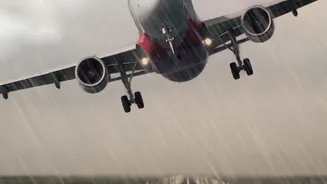
The Indian monsoon, while beautiful, is a peak season for travel disruptions. Airlines frequently delay or cancel flights due to poor visibility or waterlogging, and road travel can be hampered by landslides. These disruptions can have a domino effect
on your plans, leading to missed connections and forfeited non-refundable bookings for hotels and tours. A comprehensive travel insurance policy is designed to act as a financial buffer against these unexpected costs. It can be the difference between a minor inconvenience and a major financial loss, offering protection against everything from medical emergencies to lost baggage.
The Foreseeable Event Exclusion
Here's the first major limit to understand: insurance covers unforeseen events. If a cyclone is already named or a severe weather warning has been issued for your destination before you buy your policy, any claim related to that event will likely be rejected. Insurers consider such events 'foreseeable', and policies are designed to protect against sudden, unexpected mishaps, not known risks. The golden rule is to purchase your travel insurance as soon as you book your flights and hotels, not a day before you travel. This ensures that any subsequent weather events are more likely to be considered unforeseen and therefore covered.
Trip Delays vs. Cancellations
Policies treat delays and cancellations as separate issues with different rules. For a 'trip delay' benefit to activate, your flight typically needs to be delayed for a minimum number of hours, often between 6 and 12, as specified in your policy. Only after this waiting period can you be reimbursed for reasonable expenses like meals and accommodation. A 'trip cancellation' is different. Your policy won't pay out just because you decide to cancel a trip due to a rainy forecast. For a cancellation claim to be valid, the disruption must be significant, such as your airline officially cancelling the flight or your destination becoming uninhabitable due to a mandatory evacuation order.
Watch Out for Medical and Activity Exclusions
Monsoon travel can sometimes aggravate pre-existing medical conditions. It is crucial to declare any such conditions to your insurer when buying the policy. Hiding a pre-existing illness is a primary reason for claim rejection, even if the claim seems unrelated. Similarly, many standard policies do not automatically cover adventure sports like trekking, rafting, or bungee jumping — activities that might be part of your monsoon itinerary. If you plan on participating in such activities, you often need to purchase a specific add-on or ensure your policy explicitly includes them. Assuming you're covered can lead to an unpleasant surprise if an accident happens.
The Fine Print on 'Acts of God'
Natural disasters like floods and landslides are often termed 'Acts of God' in insurance language. While many policies offer coverage for disruptions arising from these events, the specifics are critical. Coverage is rarely for loss of enjoyment; it is for specific, verifiable losses. For instance, if your pre-booked hotel becomes uninhabitable due to flooding, your policy may cover the cost. However, it will not cover you if you simply decide not to go because the area is waterlogged but still accessible. Always check how your policy defines and covers natural calamities, as this varies widely among insurers.
Documentation Is Everything
Even with a valid reason, your claim can be rejected due to procedural errors, most commonly a lack of proper documentation. If your flight is delayed, get a written confirmation from the airline stating the reason and duration of the delay. If your baggage is lost, file a Property Irregularity Report (PIR) with the airline immediately at the airport. Keep all receipts for extra expenses incurred. Insurers require proof to process claims, and failure to provide it is one of the top reasons for rejection. Notifying your insurer about the incident as soon as possible, often within 24-48 hours, is also a standard requirement.