



The Lush Rainforests of Washington
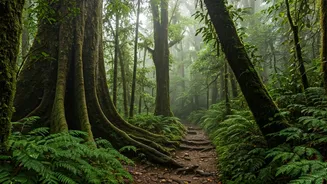
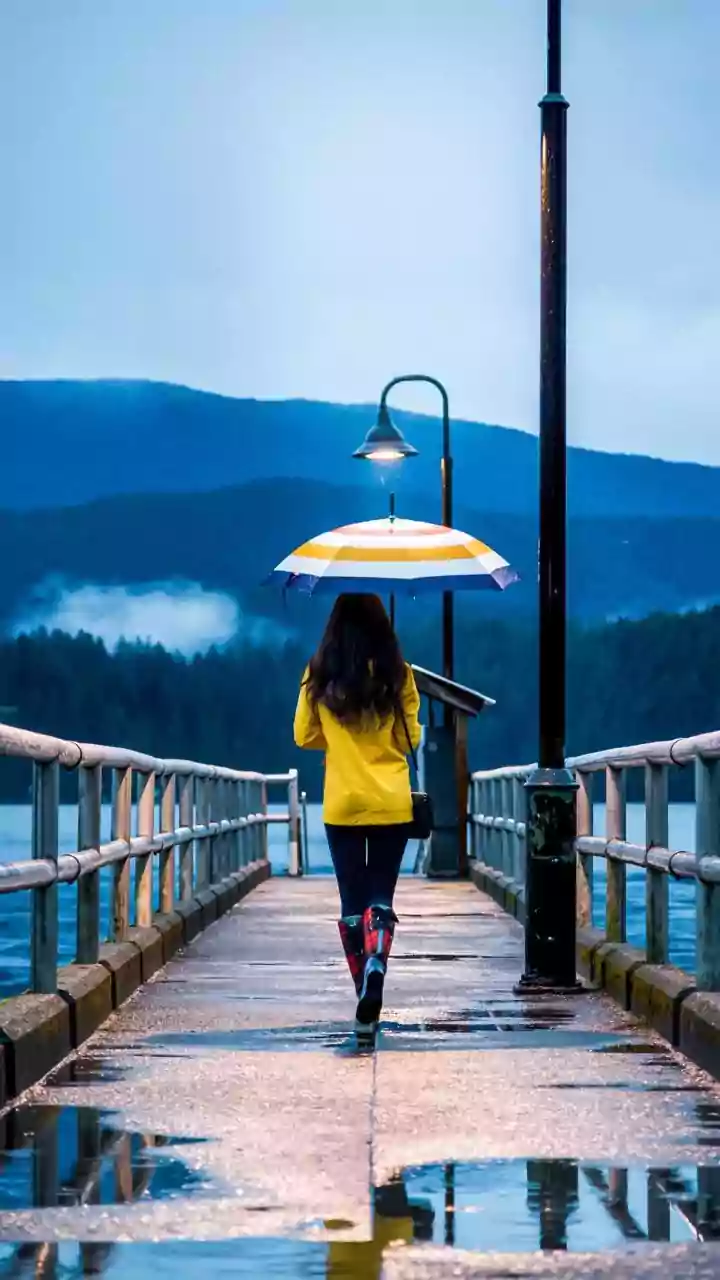
Nowhere in the U.S. does rain better than the Pacific Northwest, and the Olympic Peninsula is its crown jewel. Forget the summer crowds that clog the trails to see a trickle. The real magic happens between October and April when the so-called “rainy season”
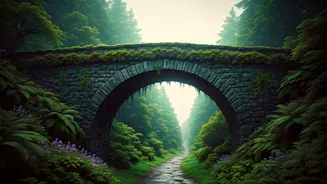
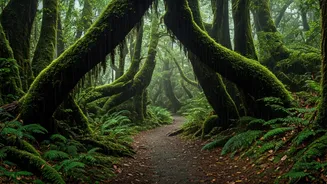
is just… the season. This is when the Hoh and Quinault Rainforests come alive. The constant drizzle and mist saturate the mosses, turning the entire landscape an otherworldly shade of green. The waterfalls, often underwhelming in August, become thunderous spectacles. The mood is quiet, contemplative, and deeply immersive. You can hike for miles on soft, needle-covered trails hearing nothing but water droplets and birdsong. Afterward, retreat to a cozy cabin in Forks or a seaside lodge in La Push for storm-watching with a local craft beer in hand. The secret isn't avoiding the rain; it's realizing the rain is the main attraction.
The Moody Coast of Oregon
While summer tourists fight for parking spots at Cannon Beach, locals know the best show is in the winter. From November to March, the Oregon Coast becomes a front-row seat for some of nature’s greatest drama: storm-watching. This isn’t a passive activity. Coastal towns embrace it, with inns and restaurants offering panoramic views of the colossal waves crashing against Haystack Rock and the rugged sea stacks. The experience is exhilarating and humbling. The beaches, empty of sunbathers, are perfect for long, wind-swept walks in search of agates and glass floats hidden by local artists. The air is crisp and salty, and the near-constant gray sky makes the vibrant greens of the coastal forests pop even more. You’ll find lower prices on charming beachfront rentals and no lines at the best chowder houses. It’s a trip that trades sunshine for soul.
The Mystical Smoky Mountains
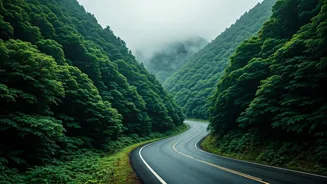
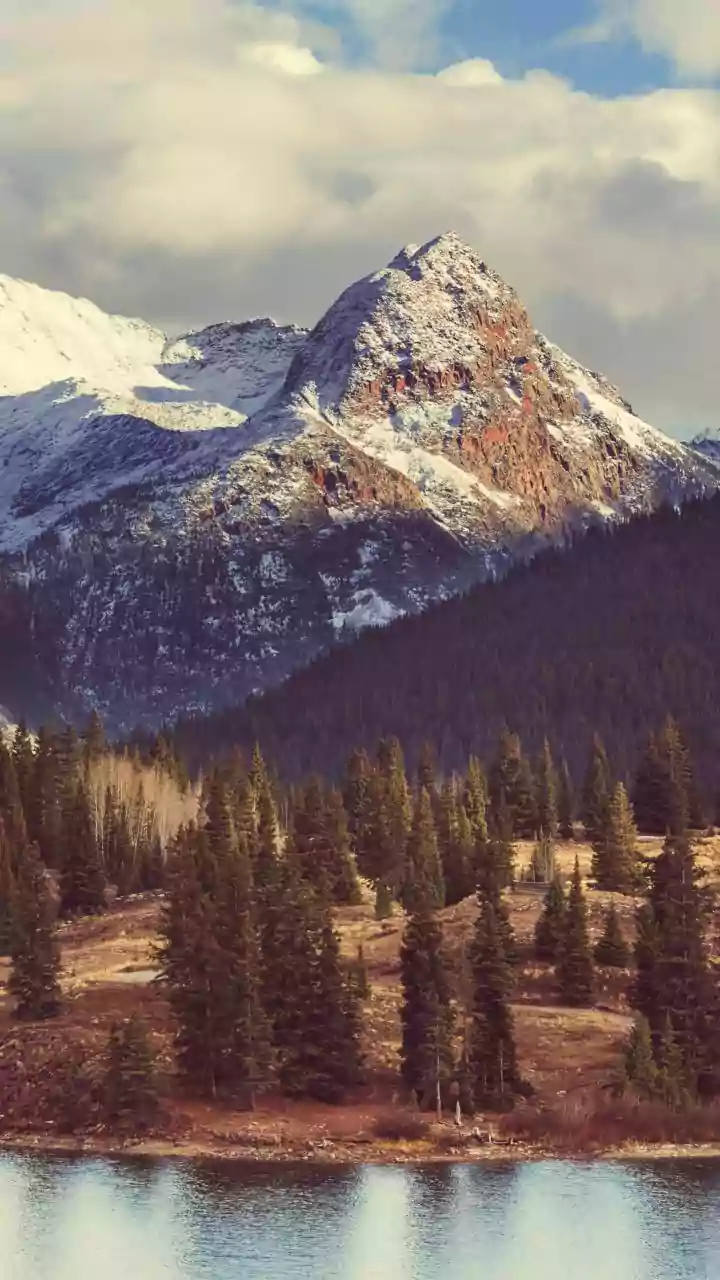
There’s a reason they aren’t called the “Sunny Mountains.” The signature haze that gives the Great Smoky Mountains their name is a product of humidity and precipitation. Visiting during the wetter, quieter shoulder seasons of late spring or fall means you get to see the park as it was meant to be seen: mystical, misty, and wonderfully alive. The rain nourishes the park’s incredible biodiversity, making it one of the most vibrant ecosystems in the country. Spring showers fuel an explosion of wildflowers, while autumn rains deepen the colors of the foliage and swell the park’s many creeks and waterfalls. Driving the Cades Cove loop during a light drizzle can feel like entering a private wildlife sanctuary, as deer and other animals are often more active in the cooler, damp weather. The crowds are a fraction of their summer and peak-leaf-peeping size, making popular trails like Laurel Falls or Alum Cave Trail far more serene.
The Waterfalls of Kauai, Hawaii
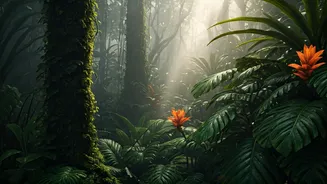
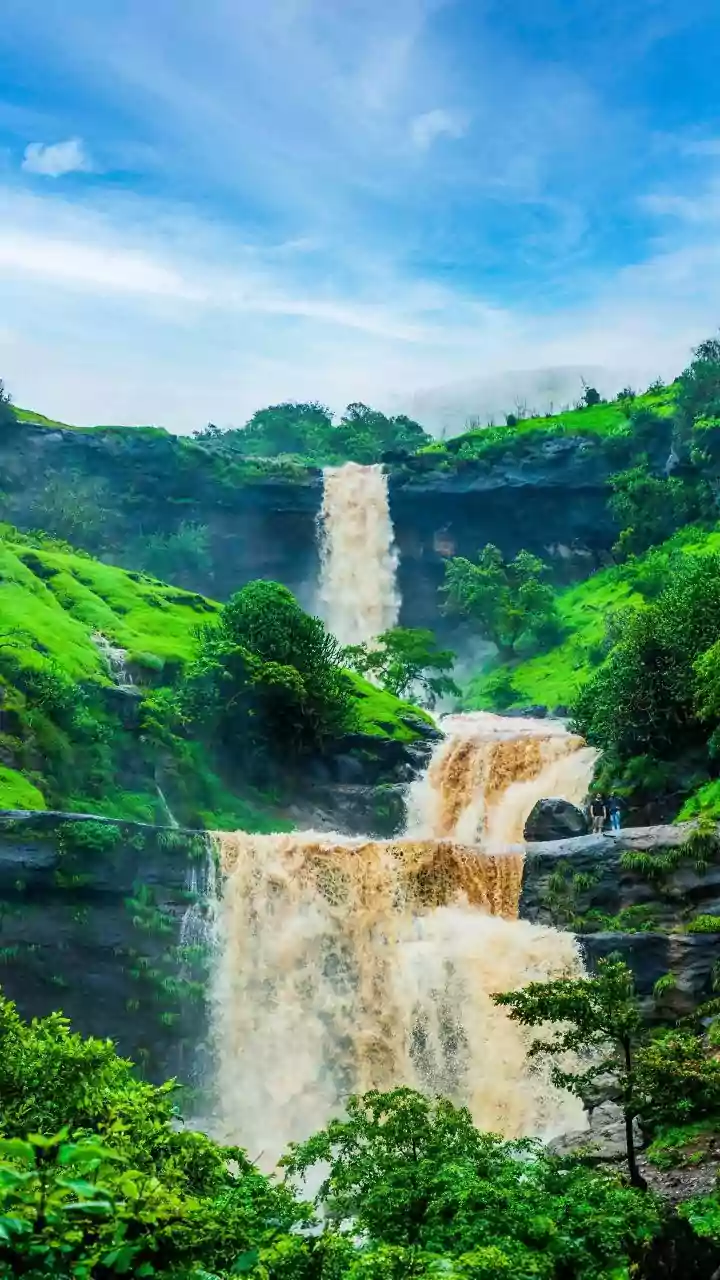
Known as the “Garden Isle,” Kauai’s legendary beauty is a direct result of its abundant rainfall. While tourists flock there for sun, visiting during the wetter winter months (November to March) allows you to see the island in its most powerful form. This is when the iconic waterfalls along the Nā Pali Coast and within Waimea Canyon transform from gentle ribbons into roaring cascades. The entire island feels more lush, the scent of tropical flowers is heavier in the air, and the landscapes are intensely green. While you might have to dodge passing showers, they are often brief and followed by sunshine and brilliant rainbows. The trade-off is significant: fewer people vying for space at Hanalei Bay, more affordable accommodations, and the chance to see phenomena like the “Wall of Tears” on Mount Waialeale in its full, weeping glory. It's the perfect destination for travelers who understand that a little water is a small price to pay for paradise at its peak.