






Beyond the Sightseeing Checklist
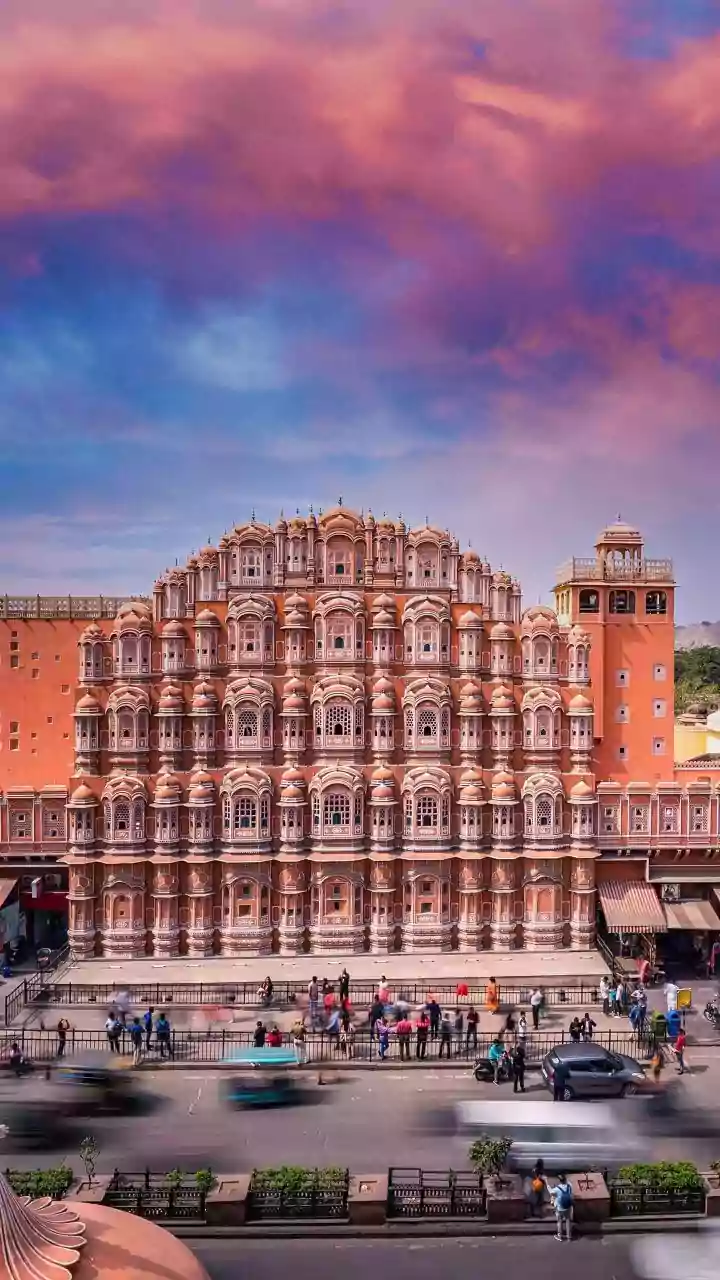
For generations, travel was a visual pursuit. We went to Agra for the Taj Mahal, Paris for the Eiffel Tower, and Rome for the Colosseum. The goal was to see the great wonders of the world, tick them off a list, and bring home photos to prove it. Food
was often an afterthought—a necessary refuelling stop between attractions. But a significant shift is underway. Today’s travellers, particularly millennials and Gen Z, are prioritising experiences over simple sightseeing. And what’s a more immersive and memorable experience than food? A recent travel trends report noted that over half of Indian travellers pick a destination based on its food and drink scene. It’s no longer about what you can see, but what you can taste.
The Rise of the Gastronomic Itinerary
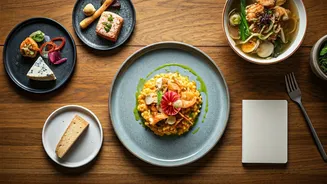
This isn't just about finding a good restaurant for dinner. Culinary travel, or gastronomy tourism, involves planning an entire trip around a food-centric theme. Think of a journey through Rajasthan, not for its forts, but for its Laal Maas and Dal Baati Churma. Imagine booking a trip to Vietnam purely for the joy of slurping pho in Hanoi and savouring Banh Mi in Hoi An. Travellers are now actively seeking out food trails, cooking classes with local chefs, visits to cheese makers and vineyards, and tours of bustling produce markets. These activities offer something a monument cannot: a direct, sensory connection to a place and its people. Food becomes the language through which we understand a new culture.
Credit the 'Gram and the Global Palate
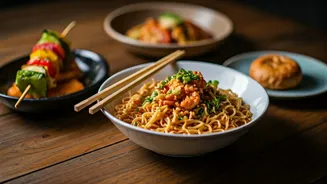
Two major forces are fuelling this trend. The first is social media. Platforms like Instagram and TikTok have turned food into a highly visual and shareable art form. A perfectly layered pastry, a steaming bowl of ramen, or a vibrant street-food platter are content gold. This constant stream of delicious imagery inspires travel envy and adds new destinations to our 'must-eat' lists. Secondly, our palates have become more global and adventurous. Thanks to the easy availability of international cuisines in our own cities, we've developed a taste for authentic flavours. We’re no longer satisfied with a generic 'Indian curry' abroad; we want the specific regional dish we’ve read about. This curiosity drives us to travel to the source, to taste the real thing in its natural habitat.
India's Own Culinary Pilgrimages
This trend is unfolding just as powerfully within India's own borders. Our country's staggering culinary diversity makes it a paradise for food-focused travel. People are travelling to Lucknow for its legendary Tunday Kebabs, Amritsar for its ghee-laden kulchas, and Hyderabad for its iconic biryani. Coastal destinations like Goa and Kerala are no longer just for beaches; they are for seafood curries and toddy shop fare. The Northeast is drawing adventurous eaters with its unique tribal cuisines. States are catching on, promoting food trails and festivals to attract a new kind of tourist who is willing to travel hundreds of kilometres not for a temple, but for a taste.
How to Plan Your First Foodie Holiday
Ready to plan a trip with your stomach? Start by picking a cuisine you love or are curious about. Research the most famous dishes of that region and where to find the most authentic versions—this often means looking beyond fancy restaurants to humble, family-run eateries. Read food blogs and watch travel vlogs for recommendations. Look for experiences like guided street food tours, which are a great way to sample a lot in a short time while learning about the local culture. And don't be afraid to be spontaneous. The best foodie adventures often happen when you follow the scent of something delicious down a side street.