





The Trend: More Than a Spare Bed
Once relegated to children's rooms or used as a last-resort sleeping solution for guests, the daybed is being completely re-imagined. The 2026 resurgence is driven by a desire for furniture that works as hard as we do. In an era of adaptable living, where
homes double as offices, entertainment zones, and sanctuaries, multifunctional design is king. The daybed perfectly answers this call, offering the comfort of a lounge, the elegance of a sofa, and the practicality of a bed in one streamlined piece. It aligns with a broader trend towards softer, more welcoming interiors, with designers and homeowners embracing pieces that encourage relaxation and flexible use.
A Brief History of Lounging
The daybed is hardly a new invention; its history is as much about leisure as it is about practicality. Its lineage traces back to ancient Greece and Rome, where reclining on 'klines' during social gatherings was common practice. Throughout history, it has appeared in various forms, from the 'fainting couch' of the Victorian era—used by women wearing tight corsets—to the clinical 'cure chairs' for patients needing fresh air. Even Sigmund Freud's famous psychoanalytic couch was essentially a daybed, chosen to create a comfortable, relaxed environment. This rich history proves that the daybed has always been a piece that uniquely blends rest and social function.
The 2026 Daybed: Form Meets Function
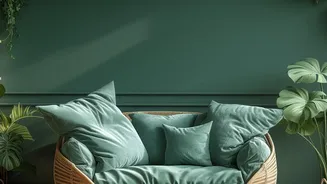
Today's daybed is a far cry from its historical counterparts. The modern interpretation is clean, sculptural, and sophisticated. While older models might have featured clunky trundles, the 2026 aesthetic is defined by sleek lines, luxurious materials, and elevated design. Think curved silhouettes, rich velvet or textured boucle upholstery, and minimalist frames in wood or metal. These pieces are designed to be focal points, not afterthoughts. They function as architectural elements that can anchor a living room, soften a formal space, or create a cozy reading nook without the visual weight of a traditional sofa. This new generation of daybeds prioritizes both comfort and high design, proving you don't have to sacrifice one for the other.
Styling Beyond the Guest Room
The true joy of the modern daybed lies in its versatility of placement. In a living room, it can create a more open, informal seating arrangement than a bulky sofa. Place it under a window to create a sun-drenched reading spot, or use it to subtly divide a large, open-plan space into distinct zones. The key is to style it like a sofa. Use large bolster cushions to create a supportive 'back' for sitting, and layer it with throw pillows and blankets in varying textures and colours. This makes it feel intentional and integrated into your living space, ready for everything from hosting guests to enjoying a quiet afternoon nap.
Choosing Your Perfect Daybed
For Indian homes, where space can be a premium and multi-generational living is common, the daybed is a particularly smart choice. When selecting one, consider its primary function. If it’s mainly for seating, focus on a firm mattress and a frame that matches your decor. If it will be used often for sleeping, invest in a comfortable, twin-size mattress. Look for designs that complement current trends like warm, earthy tones and natural materials such as rattan or solid wood like teak and sheesham. Many modern options also include built-in storage drawers, adding another layer of functionality that is invaluable in compact urban apartments.