

As November evenings turn crisp and clear, the night sky puts on a spectacular show. You don't need a fancy telescope to enjoy it—just a little guidance. Let’s start your stargazing journey with one of the autumn sky's most famous landmarks.
Meet the Great Square
First things
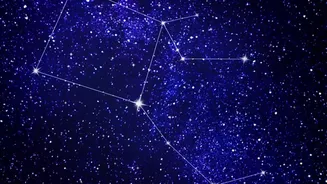
first: the Great Square of Pegasus isn't a constellation, but an asterism—a prominent and recognisable pattern of stars. It's formed by four stars of similar brightness that create a massive, nearly perfect square in the sky. Think of it as a giant celestial landmark. The four stars marking its corners are Markab, Scheat, Algenib, and Alpheratz. What’s fascinating is that while three of these stars belong to the constellation Pegasus (the Winged Horse), Alpheratz is actually the brightest star in the neighbouring constellation, Andromeda. This cosmic partnership makes the Square an even more interesting starting point.
Why November is the Perfect Time
Throughout November, the Great Square of Pegasus is perfectly positioned for viewing from India. In the early evening, you'll find it climbing high in the eastern sky, and by mid-evening, it will be almost directly overhead. Its high position means you're looking through less of Earth's atmosphere, making the stars appear clearer and steadier. The post-monsoon skies across much of the country are also typically clearer, offering better viewing conditions. You won't have to stay up until the early hours of the morning; this celestial giant makes a convenient appearance right after sunset.
Your Simple Stargazing Toolkit
You don't need expensive gear to begin. Your most important tools are your eyes and a bit of patience. Find the darkest spot you can, away from bright streetlights or building lights—even a balcony or rooftop that's shielded from direct glare can work. Give your eyes about 20-30 minutes to fully adapt to the darkness; this will help you see fainter stars. Avoid looking at your bright phone screen, as it will ruin your night vision. If you want a little help, a free stargazing app like Stellarium can be pointed at the sky to identify stars and constellations in real time. Lastly, get comfortable. A reclining chair or a blanket on the ground will save you from neck strain.
How to Find the Square: A Step-by-Step Guide
Finding the Great Square is easier than you think. Once dusk settles, face east and look high up. Don't look for a small, neat box; the Square is huge. You should be able to fit your outstretched fist between any two of its corner stars. Because the area inside the square contains very few bright stars, it can look surprisingly empty to the naked eye, which actually helps the four corner stars stand out. In a city, you might see nothing inside it, but from a darker location, you'll start to notice fainter stars within its borders. Counting them is a great way to test how dark your sky really is.
Your Gateway to the Andromeda Galaxy
Once you've found the Great Square, you've unlocked a signpost to one of the most incredible sights in the night sky: the Andromeda Galaxy (M31). This is the closest major galaxy to our own Milky Way, and you can see it with your naked eye from a dark location. To find it, use the star Alpheratz (the top_left corner of the Square). From Alpheratz, you'll see a chain of two fainter stars arcing away from the square—this is the constellation Andromeda. From the second of these stars, Mirach, look slightly 'up' and you should spot a faint, fuzzy patch of light. That smudge is a galaxy containing one trillion stars, 2.5 million light_years away. Binoculars will make it appear as a distinct oval glow.
Other Sights in the November Sky
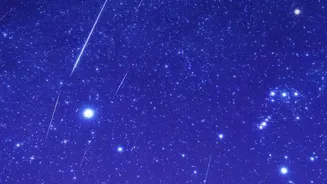
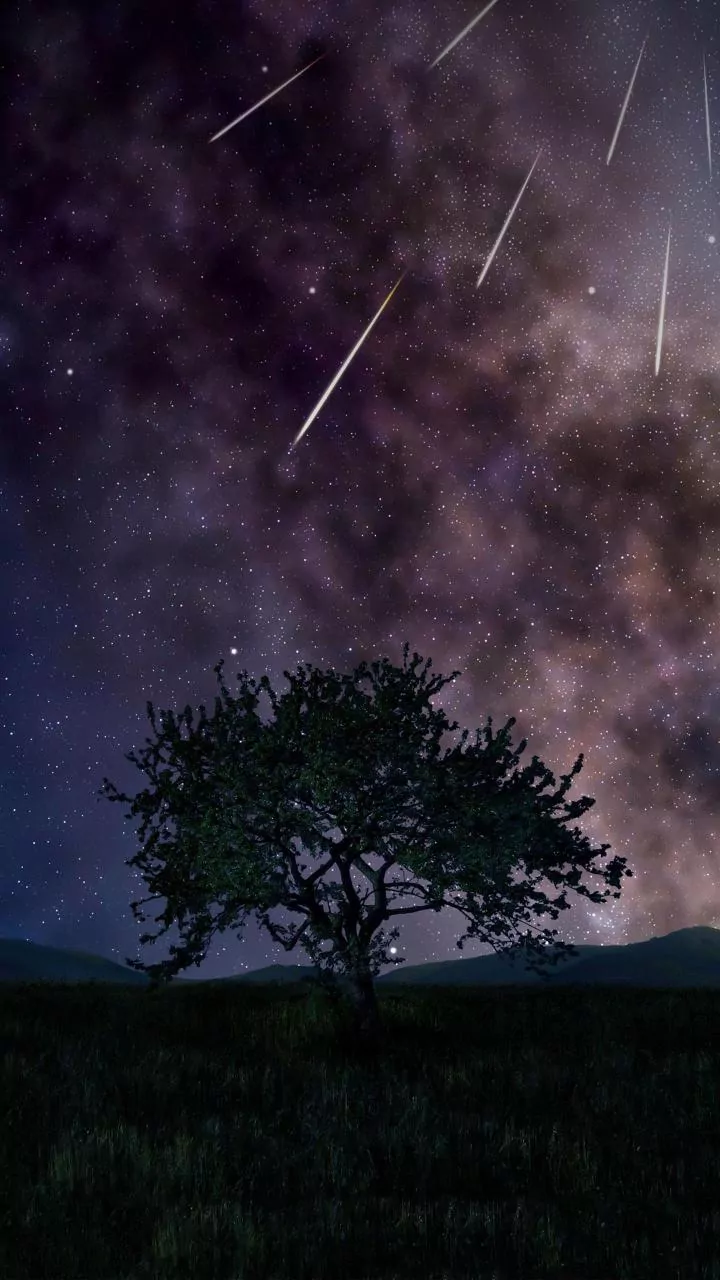
While you're out, keep an eye out for the Leonid meteor shower, which peaks around November 17–18. Though not a major storm in 2026, it can still produce about 10–15 fast, bright meteors per hour. The best time to watch is after midnight until dawn. Jupiter and Saturn are also brilliant, steady points of light visible in the evening sky throughout the month. Unlike twinkling stars, planets shine with a constant glow. Using the Great Square as your anchor, you can begin to explore these other celestial wonders, turning a simple glance upward into a true cosmic tour.