





A Taste of Tradition in the City
In metropolitan hubs like Mumbai, Delhi, and Ranchi, a new wave of food entrepreneurs is looking beyond mainstream cuisines. They are turning to the rich, diverse, and often-overlooked culinary heritage of India's tribal communities. Through compact,
low-overhead cloud kitchens, they serve dishes that tell stories of the land, forests, and seasons. This isn't just a food trend; it's a cultural revival. Entrepreneurs, many from tribal communities themselves, are driven by a desire to preserve their ancestral recipes and share them with a wider, curious audience. The growing interest in sustainability, wellness, and authentic food experiences has created the perfect appetite for these ventures. Consumers are increasingly curious about where their food comes from, favouring locally sourced ingredients and unique regional flavours.
The Hunt for Authentic Ingredients
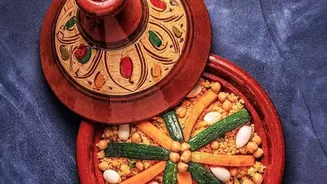
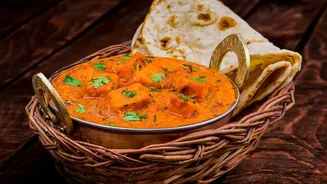
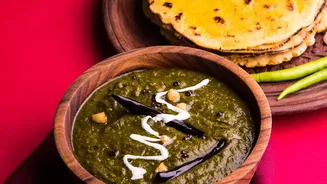
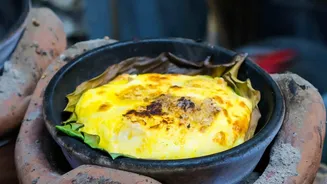
The soul of tribal cuisine lies in its ingredients—foraged greens, wild mushrooms, unique millets, aromatic herbs, and even unconventional proteins like red weaver ants. Sourcing these native ingredients is the biggest challenge and the most crucial task for these micro-entrepreneurs. Unlike conventional restaurants that rely on wholesale markets, these kitchen owners must build direct relationships with farmers and foragers in remote tribal hamlets. This often involves personal journeys into states like Jharkhand, Nagaland, and Odisha, creating a direct supply chain that bypasses middlemen. For instance, entrepreneurs from Ranchi have established networks with local farmers to procure ingredients that make their dishes authentic. Similarly, Naga chefs in Delhi go to great lengths to source smoked pork, fermented bamboo shoots, and fiery chillies directly from their home state to replicate the true taste of their heritage.
From Forest to Food App
The journey of an ingredient from a remote village to a meal ordered on a smartphone is a marvel of modern logistics and old-fashioned trust. Take Aruna Tirkey, founder of Ajam Emba in Ranchi, who belongs to the Oraon tribe. She won a cooking competition which inspired her to start a restaurant to popularise and revive her community's cuisine. Her venture not only serves authentic food but also works to bring forgotten, healthy local foods back into the conversation. In another example, Karen Yepthomi has been running Dzukou Tribal Kitchen in Delhi for nearly a decade, serving the authentic cuisine of Nagaland's tribes by sourcing ingredients locally. These entrepreneurs use social media and delivery platforms to tell the story behind each dish, educating customers about the cultural significance of what they are eating.
Overcoming Logistical Hurdles
Running this unique business model is not without its difficulties. The supply of wild and foraged ingredients is often seasonal and inconsistent, making menu planning a dynamic process. Transportation from remote regions presents another significant hurdle, with risks of spoilage and delays. Building trust with tribal communities, who have historically been disconnected from urban markets, requires patience and a commitment to fair pricing. Entrepreneurs must ensure that these communities remain the primary beneficiaries, not just suppliers. Furthermore, scaling up is a delicate balance. The very essence of this food is its small-batch, traditional preparation. Expanding too quickly could compromise the authenticity that makes these kitchens special in the first place.
More Than Just a Meal
These micro-cloud kitchens are doing more than just delivering delicious food. They are platforms for cultural preservation and economic empowerment. By creating a market for native produce, they provide a sustainable livelihood for tribal communities and encourage the continuation of traditional agricultural practices. Initiatives like Samvaad, a conclave by the Tata Steel Foundation, have been instrumental in creating platforms for tribal home cooks to showcase their skills, connect with chefs, and even get their products onto mainstream delivery apps. Each order placed is a vote for biodiversity, a nod to ancestral wisdom, and a step toward bringing the rich, untold stories of India's indigenous people into the urban mainstream.