





What Are Cloud Players?
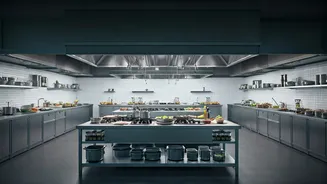
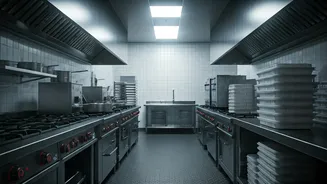
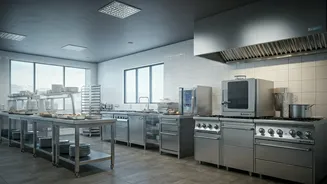
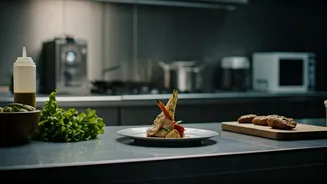
Often called cloud kitchens, ghost kitchens, or virtual kitchens, these are delivery-only restaurants with no physical dining space. [7, 8] They are commercial kitchens set up exclusively to prepare food for delivery through apps like Zomato and Swiggy
or their own websites. [7, 12] This model eliminates the need for expensive real estate, front-of-house staff, and elaborate interiors, drastically reducing operational costs compared to traditional dine-in establishments. [16, 22, 23] An entrepreneur can launch a food business from a small, rented kitchen space, focusing entirely on the food and its delivery. [12]
Why the Sudden Surge?
Several factors are fuelling this shift. The primary driver is the lower initial investment and operational cost, making it a less risky venture for new entrepreneurs. [2, 12] The boom in online food delivery, accelerated by the COVID-19 pandemic, permanently changed consumer habits, creating massive demand for convenient, home-delivered meals. [2, 14, 21] This digital-first model allows businesses to be incredibly flexible, experimenting with different cuisines and brands from a single kitchen. This is known as the multi-brand model, where one kitchen might produce food for a biryani brand, a pizza brand, and a dessert brand simultaneously, maximising efficiency. [4, 11]
Meet the Titans of the Cloud
The Indian cloud kitchen landscape is dominated by a few large players who have perfected the multi-brand strategy. Rebel Foods is arguably the largest, operating over a dozen successful brands like Faasos, Behrouz Biryani, and Oven Story from its network of kitchens. [3, 4, 5, 6] Other major players include Curefoods, which runs popular brands like EatFit and CakeZone, and BOX8, known for its convenient meal boxes and desi flavours. [3, 4] Even established restaurant chains and conglomerates like ITC are now aggressively expanding their cloud kitchen divisions to capture a slice of the delivery market. [2, 17, 18]
Impact on Traditional Restaurants
The rise of cloud kitchens presents both a challenge and an opportunity for traditional restaurants. On one hand, they face increased competition from these low-overhead, delivery-focused businesses. [16] On the other hand, many established restaurants are adopting a hybrid model, launching their own cloud kitchen verticals to expand their delivery reach without disrupting their dine-in operations. [2] This allows them to test new markets and cuisines at a lower risk. However, the easy entry has also led to market saturation in some areas, making brand differentiation and marketing crucial for survival. [14, 20]
What's In It for the Customer?
For consumers, this trend has largely been positive. It has led to a wider variety of cuisines available for delivery, often at competitive prices. [2] The focus on delivery optimization can also mean quicker delivery times. However, the lack of a physical storefront means customers must rely on app ratings and reviews to judge quality. Building brand trust without a face-to-face experience is a major hurdle for cloud kitchens, requiring a strong focus on consistent quality, excellent packaging, and effective digital marketing. [2, 16]
The Future is Data-Driven and Delicious
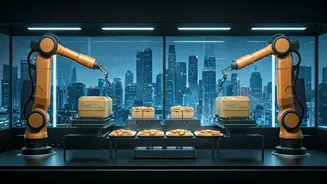
The Indian cloud kitchen market is projected to continue its strong growth, expanding from over $1 billion in 2025 to nearly $3.7 billion by 2034. [15] The next phase of this evolution will be even more technology-driven. Expect to see AI-powered demand forecasting to reduce food waste, automated kitchen processes for consistency, and greater personalization in menu offerings. [11] As the market matures, the brands that succeed will be those that masterfully combine operational efficiency, culinary excellence, and a deep, data-driven understanding of their customers' changing tastes. [13]