





The Rise of 'Barkitecture'
For decades, pet ownership in most homes meant a stray water bowl, a worn-out dog bed tucked in a corner, and a silent agreement to tolerate a bit of fur on the furniture. The pet adapted to the human space. Now, the space is adapting to the pet. This
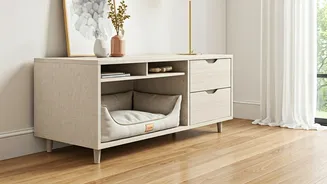
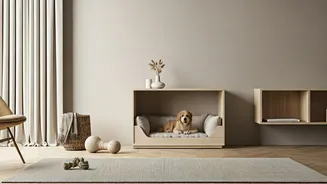
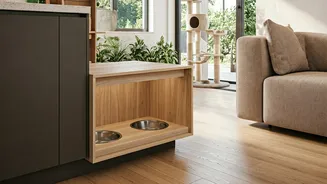
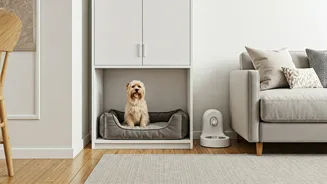
isn't just about choosing a durable rug; it's a fundamental shift in design philosophy, sometimes called 'barkitecture' or pet-centric design. Architects and interior designers report a surge in requests for homes that are not just pet-tolerant but pet-integrated. We’re talking custom-built features like hidden litter box cabinets, built-in feeding stations that blend seamlessly with kitchen cabinetry, and dedicated window perches for cats to sunbathe. The pet is no longer an accessory to the home; they are a key stakeholder in its design.
Why Our Homes Are Going to the Dogs (and Cats)
This trend is fueled by a powerful emotional shift: the humanisation of pets. Across India, especially in urban centres, pets are increasingly viewed as family members. The term ‘pet parent’ has replaced ‘pet owner’ for many millennials and Gen Z, who are often delaying traditional life milestones like marriage and children. Their pets fill an emotional void, offering companionship and unconditional love. This deep bond naturally extends to their environment. If you consider your beagle a 'fur-baby,' you won't relegate him to a rusty bowl on the floor. You’ll want his dining experience to be as considered as your own. This new generation of homeowners is willing to invest significant time and money to ensure their pet's comfort, safety, and happiness, and their homes are the primary canvas for this investment.
From Scratches to Style
So, what does a pet-centric home look like? It’s a masterful blend of function and form. On the practical side, material choice is paramount. Designers now actively source high-performance fabrics that are stain-resistant, anti-scratch, and easy to clean without sacrificing style. Think velvets and chenilles with a tight weave that claws can't easily snag. Flooring is another major consideration, with a move towards luxury vinyl tile or laminate that resists scratches and is waterproof. But it goes beyond materials. Smart design integrates pet needs into the home’s architecture. This can be as simple as a ‘mudroom’ area near the entrance with a dedicated paw-washing station, or as elaborate as custom staircases with lower, pet-friendly risers and integrated nooks for them to sleep under.
The Indian Apartment Solution
In the context of bustling Indian cities like Mumbai or Bengaluru, where apartment living is the norm, space is the ultimate luxury. This constraint has sparked incredible creativity. Instead of expansive pet wings, designers are creating multi-functional furniture. A stylish ottoman might open to reveal storage for pet toys, while a chic side table could have a built-in bed for a small dog or cat. Wall-mounted shelves and vertical walkways—‘catios’ for the indoors—give cats the climbing space they crave without cluttering the floor. The goal is to provide for the pet’s natural instincts and needs without making the human occupants feel like they’re living in a kennel. It's about smart, integrated solutions that respect both the animal's well-being and the homeowner's desire for a tidy, stylish living space.