


The Search for Mountain Solitude
For many urban dwellers, the dream of a mountain getaway is often shattered by the reality of overtourism. Popular destinations, especially during peak seasons, now mirror the city life people try to escape, with bumper-to-bumper traffic, strained local
resources, and crowded tourist spots. This has led a growing number of travellers to seek out quieter, less commercialised alternatives where the promise of peace and quiet is still a reality. The search for these pristine corners of the Himalayas leads directly to the Kinnaur district of Himachal Pradesh, a region known for its dramatic landscapes and rich cultural heritage.
Sangla Valley: A Portrait of Tranquility
Nestled along the banks of the Baspa River, Sangla Valley is a verdant expanse of pine nut orchards, apple trees, and quaint villages. Unlike its bustling counterparts, Sangla's charm lies in its unhurried pace. The main town serves as a perfect base for exploring the region. A must-visit is the ancient Kamru Fort, a tower-like structure that once served as the coronation seat of Kinnaur's rulers. A short drive away lies Chitkul, often called the last inhabited village on the old Indo-Tibet trade route, offering a profound sense of remoteness. For a more immersive experience, a walk to Batseri village reveals traditional Kinnauri wooden architecture and a slower way of life. The valley, which in Tibetan means 'pass of light', truly lives up to its name, offering a refreshing and rejuvenating escape.
Kalpa: Divine Views and Cultural Riches
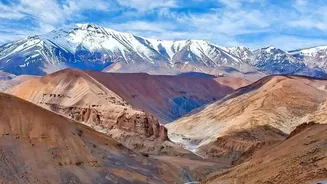
Perched high above the Sutlej River, the small town of Kalpa is famed for one of the most awe-inspiring sights in the Himalayas: a direct, panoramic view of the sacred Kinner Kailash range. Waking up to watch the sunrise paint the snow-capped peaks in hues of gold and crimson is an experience that defines a trip here. Kalpa is not just about the views; it's a place where Hinduism and Buddhism coexist harmoniously. You can explore the Narayan-Nagini Temple, a masterpiece of Kinnauri craftsmanship, and the serene Hu-Bu-Lan-Kar Monastery, all within a short walk. A drive to the nearby Roghi village offers a glimpse into local life amidst dense apple orchards, further cementing Kalpa's reputation as a peaceful haven.
The Journey Through Kinnaur
Reaching Sangla and Kalpa is an adventure in itself. The journey from Shimla takes you along the historic Hindustan-Tibet Road (NH-5), a marvel of engineering that snakes through deep gorges and alongside the roaring Sutlej river. This is not a quick drive; the remote location is precisely what has preserved the region's character. Travellers should plan for a multi-day trip, ideally breaking the journey at Narkanda. The roads, while scenic, are challenging and demand respect for mountain driving conditions. But the reward is a palpable sense of leaving the commercial world behind and entering a land of raw, unfiltered natural beauty.
Planning Your Kinnaur Escape
The best time to visit Sangla and Kalpa is during two main windows: April to June for pleasant summer weather and blooming orchards, and September to October for clear skies post-monsoon and the vibrant colours of autumn. The monsoon months of July and August are best avoided due to the risk of landslides. Accommodation ranges from comfortable hotels to intimate homestays, which offer a wonderful opportunity to experience local culture. While Reckong Peo is the district headquarters with more amenities, staying in Kalpa or Sangla offers a more scenic and peaceful experience. It is advisable to carry cash as ATM access can be limited.